Can Dogs Eat Blueberries? Yes - One of the Best Fruits for Dogs
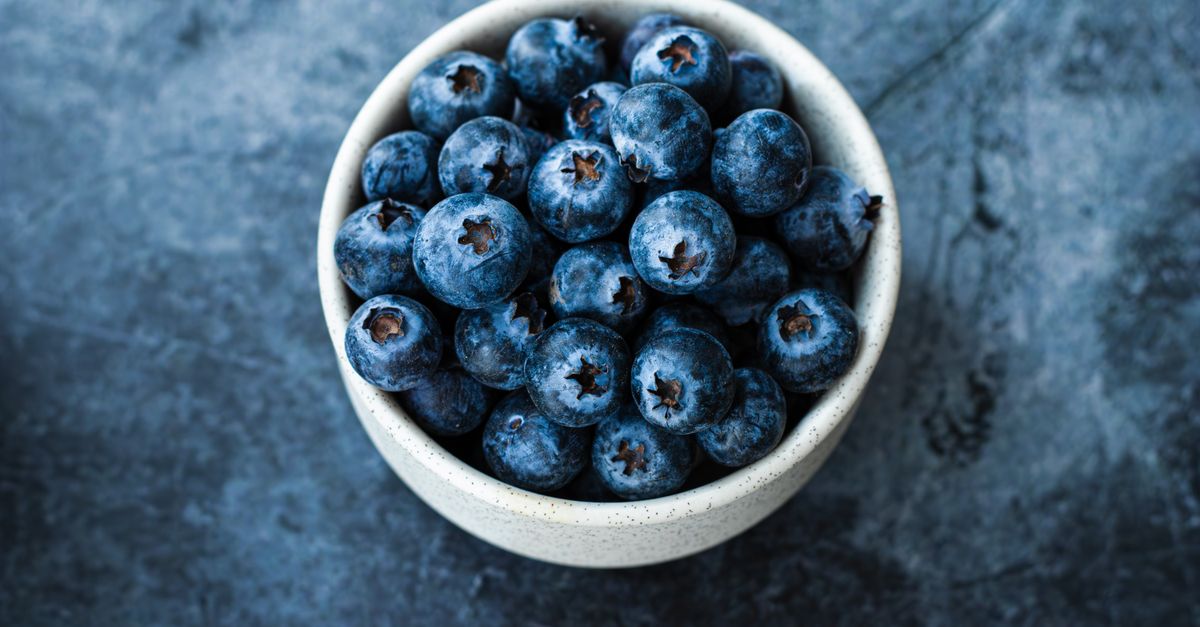
Yes, dogs can eat blueberries - they are one of the most nutritious fruit snacks for dogs. Low in calories, rich in antioxidants, vitamin C, and fibre. Serve washed, fresh or plain frozen, with no added sugars or syrups.
Blueberries are not just a human superfood - they are one of the best fruits you can give your dog. Small, easy to serve, and genuinely valuable. If you are looking for a healthy reward that does not come with guilt on either side - you just found it.
Why blueberries are so good for dogs
The AKC calls blueberries an excellent snack for both large and small dogs. Why? They deliver:
- antioxidants - neutralise free radicals responsible for cell damage
- vitamin C - supports the immune system
- fibre - promotes healthy digestion
- vitamin K - important for normal blood clotting and bone health
- manganese - supports metabolism and bone development
What sets blueberries apart from other fruits? Research cited by the AKC suggests that regular intake of antioxidants from blueberries may improve cognitive function in ageing dogs and support joint health in active ones - making them particularly worthwhile for senior dogs and those with high activity levels.
How to serve blueberries to your dog
Blueberries are one of the easiest fruits to prepare:
| What to do | Why |
|---|---|
| Rinse under running water | Removes pesticides and dirt |
| Serve fresh or plain frozen | Both formats retain nutritional value |
| Avoid blueberries in syrup, jam, or juice | Excess sugar or artificial sweeteners |
| Serve a few at a time | Prevents overfeeding |
Blueberries are the perfect reward size as they come. You do not need to cut them. Prep is limited to a rinse under water - that is it.
How many blueberries is the right portion?
The 10% rule applies here just as with other treats. Blueberries come in at around 57 kcal per 100 g, making them one of the more low-calorie fruit options. For rough guidance:
- small dog (under 10 kg): 2-4 blueberries
- medium dog (10-25 kg): 5-10 blueberries
- large dog (over 25 kg): 10-15 blueberries
These are guidelines - every dog is different. Watch for any stomach upset when introducing something new.
Any reason not to give blueberries?
Practically none. Blueberries contain no substances toxic to dogs. The only caveats are:
- too many at once - large quantities can cause loose stools due to fibre
- dogs with diabetes or weight issues - check with your vet (though blueberries are low-calorie)
- frozen blueberries with syrup or sweeteners - always check the label
Blueberries are one of the few treats where you genuinely do not have to worry. Rinse and serve.
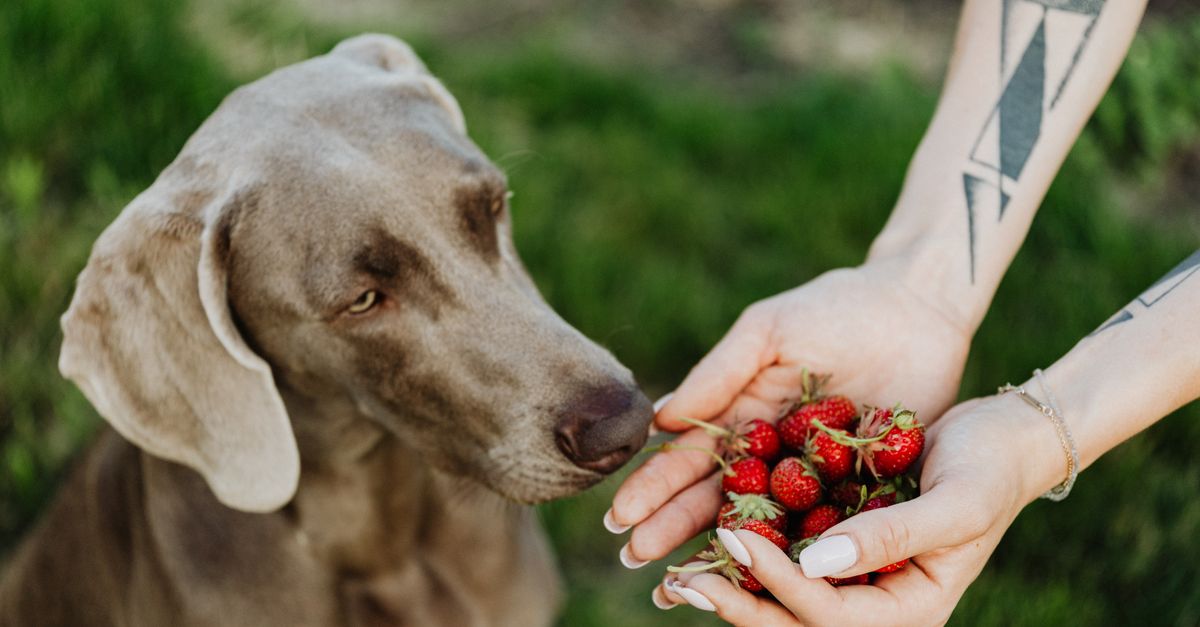
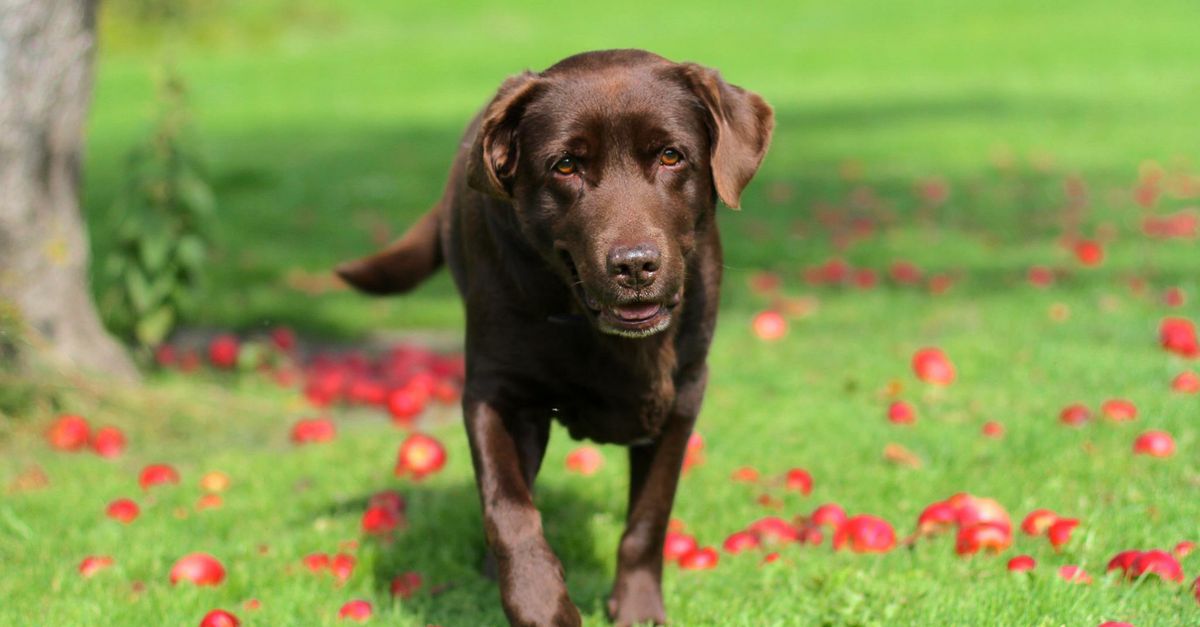
Want more healthy fruit ideas for your dog? See the articles on strawberries and apples. For a broader overview of what is safe and what is not, visit what dogs can and cannot eat.
This article is for informational purposes only. If you have any doubts about your dog's diet, always consult a veterinarian.
Blueberries in your pocket, lead in hand - time to go. Check DOGOUT for dog-friendly spots nearby and maybe discover a new trail worth exploring with your dog today.
Frequently asked questions
- How many blueberries can I give my dog?
- A few to a dozen at a time, depending on dog size. Stick to the 10% rule - all treats combined should not exceed 10% of daily calorie intake.
- Are blueberries safe for puppies?
- Yes, in small amounts. Puppies have more sensitive stomachs - start with 2-3 berries and watch the reaction. Blueberries contain nothing toxic to dogs.
- Are frozen blueberries as good as fresh?
- Yes - plain frozen blueberries with no added sugar retain their nutritional value and make a great cooling treat in summer. Avoid anything in syrup or with added sweeteners.
- Can blueberries help an older dog?
- Studies cited by the AKC suggest antioxidants from blueberries may improve cognitive function in ageing dogs and support joint health in active ones. This is promising - but blueberries are a snack, not a treatment. Keep up with regular vet visits.
- Are wild bilberries also safe for dogs?
- Bilberries (Vaccinium myrtillus) are safe for dogs. When walking in the wild, check that similar-looking berries on the trail are not toxic species - if in doubt, ask your vet.