Can Dogs Eat Buckwheat? Yes - With One Firm Condition
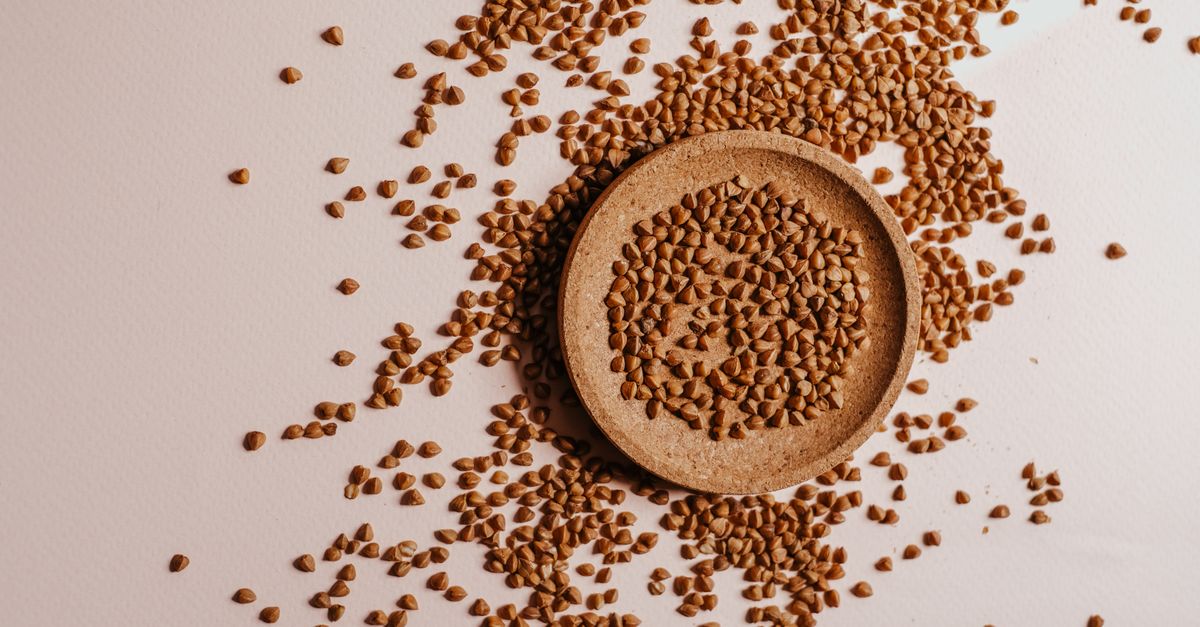
Yes, dogs can eat buckwheat - as long as it is fully cooked and served plain, with no salt, butter, or seasonings added. Raw buckwheat is hard to digest and can cause stomach upset. Cooked buckwheat groats are a nutritious, gluten-free addition to a dog's meal: they provide fibre, minerals, and plant protein. Serve as a complement to animal protein, not a main dish. If in doubt, check with your vet first.
Buckwheat has been turning up in dog bowls more and more - and there are good reasons for it. This gluten-free pseudo-grain offers a solid nutritional profile and suits dogs that struggle with wheat-based foods. Before you scoop some into your dog's dish, here is what you need to know.
What makes buckwheat good for dogs?
Despite the name, buckwheat is not related to wheat at all - it is a seed from the same plant family as rhubarb and sorrel, and it contains zero gluten. That alone makes it a useful option for the growing number of dogs with wheat sensitivities.
Cooked buckwheat provides:
- fibre - supports gut motility and healthy digestion
- plant protein - more protein than white rice, including the amino acid lysine
- rutin and antioxidants - rutin is a flavonoid with anti-inflammatory properties that also supports blood vessel health
- magnesium and manganese - important for bone health, muscle function, and energy metabolism
- iron and copper - support red blood cell production
- low glycaemic index - does not cause rapid blood sugar spikes, which is useful for dogs prone to weight gain or with diabetes
For a broader overview of what dogs can and cannot eat, see what dogs can and cannot eat.
How to prepare buckwheat for your dog
The rule is simple: cooked, plain, no extras. Raw buckwheat is poorly digested and can cause bloating and cramps.
Step by step:
- Rinse the dry buckwheat groats under cold water
- Cook in plenty of plain unsalted water until completely soft - around 15-20 minutes
- Drain and cool to room temperature
- Serve on its own or mixed with lean cooked meat and dog-safe vegetables
Never add: salt, butter, onion, garlic, or any seasonings. Onion and garlic are toxic to dogs. Too much salt burdens the kidneys.
How much buckwheat is the right amount?
Buckwheat is a side dish, not a main course. It should complement animal protein, not replace it. Here are rough serving guidelines for cooked buckwheat per meal:
| Dog size | Approximate weight | Portion of cooked buckwheat |
|---|---|---|
| Small | up to 10 kg | 1-2 tablespoons |
| Medium | 10-25 kg | 2-4 tablespoons |
| Large | over 25 kg | 4-6 tablespoons |
All additions and treats combined - buckwheat included - should not exceed 10% of your dog's daily calorie intake. For dogs with kidney disease, liver problems, or pancreatitis, check with your vet before introducing it.
When can buckwheat be a problem?
Buckwheat is generally well tolerated, but there are situations that call for care:
- Allergy - buckwheat rarely causes reactions but it is not impossible. Signs include vomiting, loose stools, or skin itching. If any of these appear, stop and contact your vet.
- Sensitive stomach - introduce buckwheat gradually, starting with a small amount, and watch the pack over 48 hours before increasing the portion.
- Phytic acid - buckwheat contains phytic acid, which in large quantities can slightly reduce mineral absorption. At sensible portion sizes this is not a practical concern.
- Calorie density - buckwheat is more calorie-dense than, say, cooked carrots. Keep an eye on portions for overweight dogs.
Buckwheat can be combined with rice as a gentle base during digestive upset - see also can dogs eat rice. It also works well as an alternative to potatoes in home-cooked meals.
Important - the buckwheat plant is not the same as buckwheat groats
A key distinction: cooked buckwheat groats (the seeds) are safe. However, the leaves, stems, flowers, and roots of the living buckwheat plant contain a compound called fagopyrin, which can cause photosensitivity and serious skin damage - particularly in dogs with light-coloured coats or skin. This is a concern for dogs that come into contact with the plant in a field or garden, not for standard store-bought cooked groats.
Buckwheat vs other common dog-friendly grains
| Grain | Gluten | Glycaemic index | Notes for dogs |
|---|---|---|---|
| Buckwheat | None | Low | Safe when cooked |
| Millet | None | Medium | Safe, cooked - best occasional |
| White rice | None | High | Safe, easy to digest, good for upset stomachs |
| Wheat | Contains | High | Avoid for dogs with grain sensitivity |
| Couscous | Contains | Medium | Not the best choice for dogs |
This article is for informational purposes only. If you have any doubts about your dog's diet, always consult a veterinarian.
Bowl sorted - now get out there. Open DOGOUT to find dog-friendly spots near you, discover off-leash areas, and find the pack to explore with. Fresh air and a good sniff are the best digestive aid around.
Frequently asked questions
- Can dogs eat raw buckwheat?
- No. Raw buckwheat is difficult to digest and can cause bloating, stomach cramps, and diarrhoea. Always cook buckwheat thoroughly in plain unsalted water until it is completely soft before serving it to your dog.
- How much buckwheat can I give my dog?
- Buckwheat should be a side dish, not the main event. A rough guide: 1-2 tablespoons of cooked buckwheat for small dogs, 2-4 tablespoons for medium dogs, and 4-6 tablespoons for large dogs per meal. All extras and treats combined should not exceed 10% of daily calorie intake.
- Is buckwheat good for dogs with grain allergies?
- Buckwheat is naturally gluten-free and is not related to wheat despite its name - it belongs to the same plant family as rhubarb. It is a solid alternative for dogs with wheat or gluten intolerance. That said, any new food can trigger an allergic reaction - introduce it gradually and watch for signs like itching, vomiting, or loose stools.
- Is buckwheat safe for diabetic dogs?
- Buckwheat has a low glycaemic index and may help moderate blood sugar spikes. Many sources consider it a reasonable option for dogs prone to weight gain or diabetes - but always consult your vet before changing a diabetic dog's diet.
- Is the buckwheat plant (leaves and stems) dangerous to dogs?
- Yes. While cooked buckwheat groats are safe, the leaves, stems, and flowers of the buckwheat plant contain fagopyrin - a compound that can cause photosensitivity, painful skin lesions, and swelling, especially in dogs with light-coloured coats. Store-bought cooked groats carry none of this risk.
- Can I mix buckwheat into a home-cooked meal for my dog?
- Absolutely. Cooked buckwheat pairs well with lean meats like chicken or turkey and dog-safe vegetables. Never add onion, garlic, salt, butter, or any seasonings - onion and garlic are toxic to dogs, and excess salt stresses the kidneys.