Can Dogs Eat Carrots? Absolutely - They're One of the Best Dog Snacks
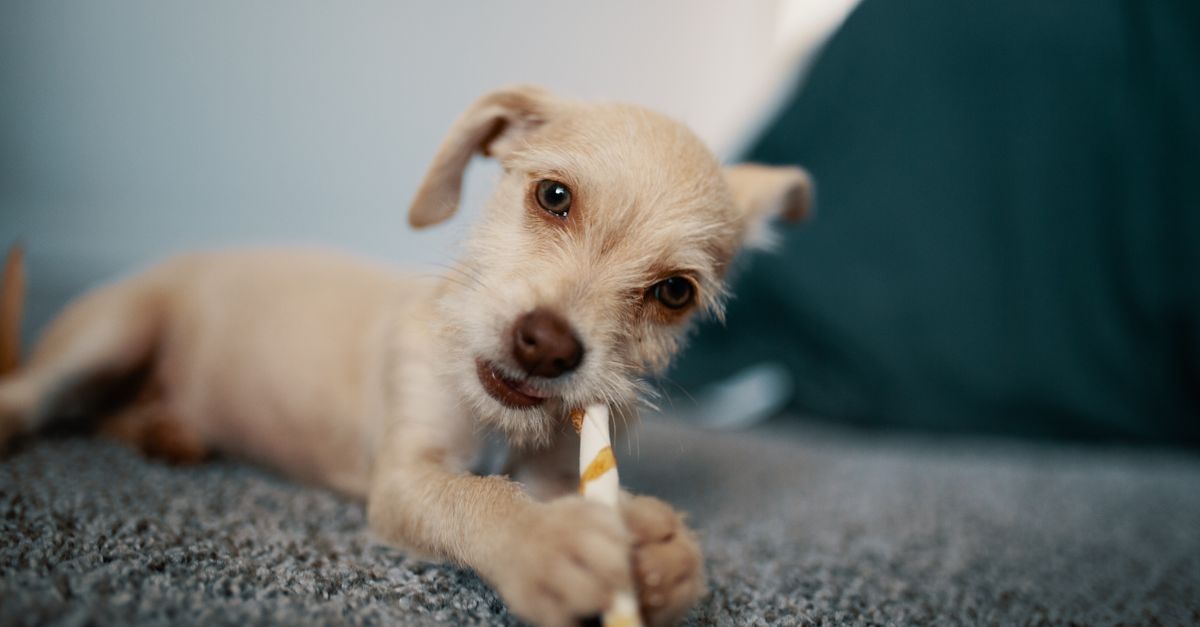
Yes, carrots are one of the safest and most nutritious vegetables you can give your dog. They are low in calories, rich in vitamin A (beta-carotene), potassium and fibre, and chewing on raw carrots supports dental health. Serve raw or cooked, rinsed and peeled, cut into bite-sized pieces to prevent choking. There is no strict limit, but moderation is always sensible.
If you have ever wondered whether there is a snack you can hand to your dog without any doubt, any hesitation or any fine print - carrots are that snack. They are genuinely good for dogs, they are cheap, they are available year-round, and most dogs love them. This is as close to a perfect dog treat as vegetables get.
Carrots are one of the best vegetables for dogs
The enthusiasm here is warranted. Carrots are on virtually every vet-approved list of safe foods for dogs, and for good reason. They are:
- low in calories - ideal for dogs watching their weight
- low in fat - no pancreatitis risk, no digestive overload
- rich in nutrients that genuinely benefit your dog
- safe in both raw and cooked form
- available in every supermarket for pennies
There is almost no downside to adding carrots to your dog's treat rotation.
Nutritional benefits - what carrots actually do for your dog
Carrots are not just safe filler. They deliver real nutritional value:
| Nutrient | Benefit for dogs |
|---|---|
| Beta-carotene (vitamin A precursor) | Supports healthy vision, immune function and skin |
| Potassium | Maintains healthy muscle and nerve function |
| Fibre | Supports healthy digestion and gut motility |
| Vitamin K1 | Supports blood clotting and bone metabolism |
| Vitamin B6 | Supports protein metabolism and brain health |
| Antioxidants | Help protect cells from oxidative damage |
Vitamin A is the headline nutrient. Beta-carotene from carrots is converted into vitamin A in the body, which supports eye health, immune function and skin and coat condition. Dogs with dull coats or recurring minor skin issues often benefit from more beta-carotene in the diet.
One more thing worth mentioning: raw carrots are excellent for teeth. The firm, fibrous texture acts like a natural toothbrush. Chewing through a raw carrot helps scrape plaque from the teeth and stimulates the gums. It will not replace brushing, but as an everyday snack it does real work.
Raw vs cooked carrots - which is better?
Good news: both are safe, and both have advantages.
Raw carrots retain all their water content, are firm enough to clean teeth, and provide satisfying crunch. Most dogs enjoy the texture and the natural sweetness. For puppies that are teething, a cold or lightly frozen raw carrot can soothe sore gums while delivering nutrition.
Cooked carrots are actually more nutritious in one important way: cooking breaks down the tough cell walls of the carrot, making beta-carotene more bioavailable. Your dog's body absorbs more of the vitamin A precursor from cooked carrots than from raw ones. Steamed or boiled carrots (with no added salt, butter or seasonings) are a great option, especially for older dogs or dogs with dental issues who find raw carrots hard to chew.
The practical answer: feed whatever form is convenient. Raw as a treat, cooked as a food topper alongside their regular meal - both work.
How to prepare carrots for your dog
Preparation is simple, but a few steps matter:
- Wash or peel - rinse thoroughly under running water to remove dirt and any pesticide residue. Peeling is the safest option if the carrots are not organic.
- Cut into bite-sized pieces - this is the most important safety step. A whole large carrot is a choking hazard for smaller dogs. Cut into coins, sticks or chunks appropriate to your dog's size. Small dogs get small pieces. Large dogs can handle bigger chunks, but never a whole uncut carrot without supervision.
- No added ingredients - if cooking, steam or boil in plain water only. No salt, no butter, no oil, no garlic. Plain is perfect.
- Serve fresh - carrots keep well in the fridge, but do not leave cut pieces sitting out for hours.
How many carrots is the right amount?
Carrots are low enough in calories that they are genuinely difficult to overfeed. That said, the general treat guideline still applies - all extras should make up no more than 10% of your dog's daily calorie intake. As a practical guide:
- small dog (under 10 kg): 2-3 baby carrots or a few slices of a medium carrot
- medium dog (10-25 kg): half to one medium carrot
- large dog (over 25 kg): one to two medium carrots
These are daily suggestions, not strict limits. Carrots are one of those foods where a little extra is not going to cause harm in a healthy dog. The only thing to watch is that extra snacks do not start crowding out balanced meals.
Can carrots ever cause problems?
Rarely, and usually only if given in extreme amounts. A very large quantity of carrots can cause loose stools in some dogs, purely due to the fibre content. If your dog has a sensitive digestive system, introduce carrots gradually and watch for any changes.
One curiosity worth knowing: very large amounts of beta-carotene over a long period can cause the skin to take on a faintly orange tinge - a harmless condition called carotenemia. It would take an exceptional quantity of carrots to trigger this in a dog, and it resolves when intake is reduced.
For a full picture of which vegetables and fruits are safe, see our guide to what dogs can and cannot eat. Carrots and apples make a great combination for a varied treat rotation.
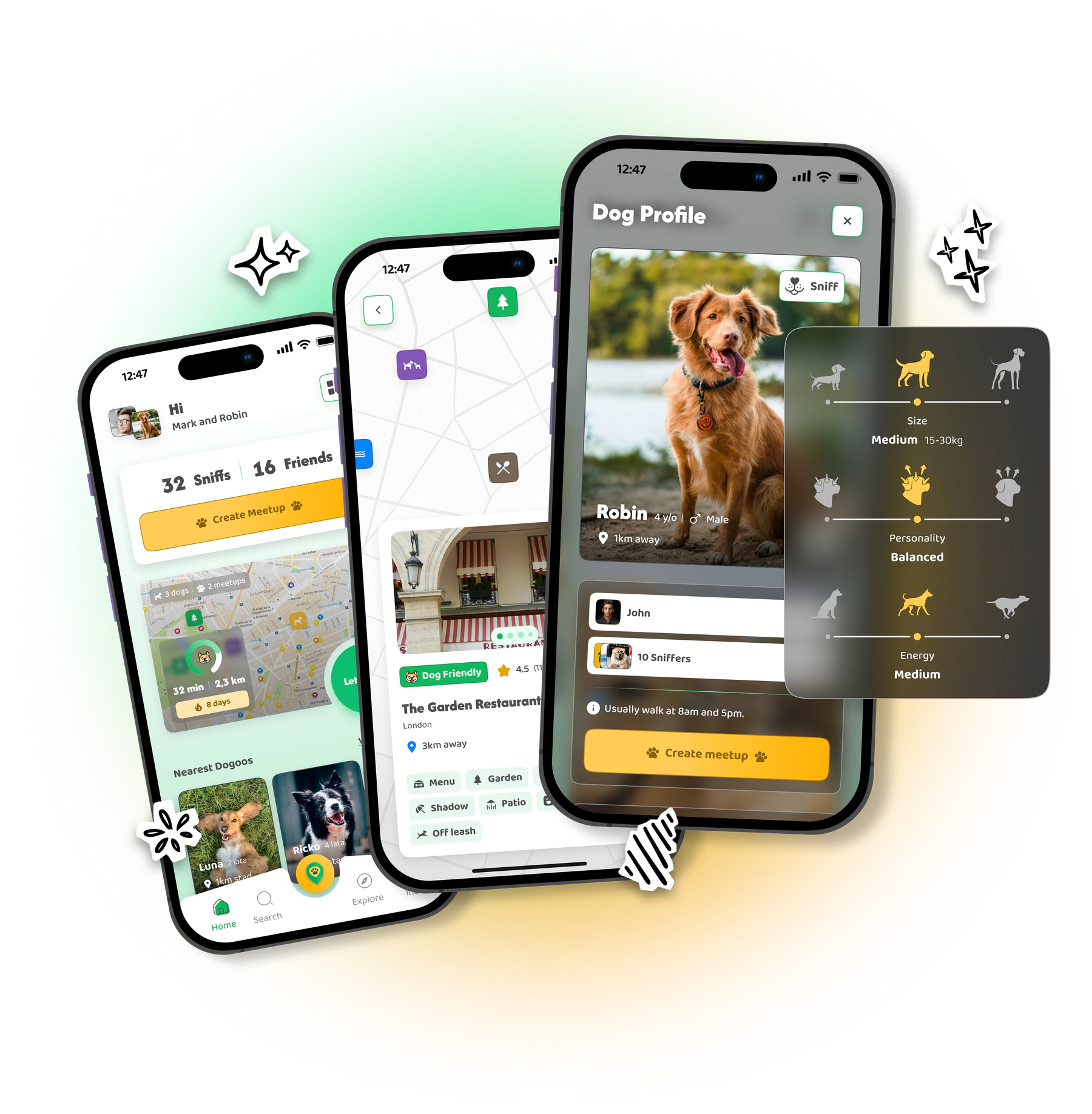
Carrots sorted, walk next? Open DOGOUT to find dog-friendly trails, parks and group walks in your area - your dog has earned a good sniff around after all that good eating.
Frequently asked questions
- How many carrots can I give my dog per day?
- There is no hard limit - carrots are low in calories and not harmful in larger amounts. As a guide, one medium carrot per day is plenty for a medium-sized dog. For small dogs, half a carrot or a few small slices is enough. Treats should still stay under 10% of daily calorie intake.
- Are raw or cooked carrots better for dogs?
- Both are safe. Cooked carrots are actually higher in bioavailable beta-carotene - cooking breaks down the cell walls and makes more nutrients accessible. Raw carrots are great for dental health because the crunching action helps clean teeth. Either way, your dog benefits.
- Can puppies eat carrots?
- Yes - carrots are one of the safest snacks for puppies too. Cut them into very small pieces appropriate for the puppy's size to avoid choking. Chilled or frozen carrot sticks can also help soothe sore gums during teething.
- Do I need to peel carrots before giving them to my dog?
- Peeling is recommended to remove any pesticide residue on the skin. At minimum, wash the carrot thoroughly under running water. Organic carrots can be served with the skin on after a good rinse.
- Can carrots replace dental chews?
- Raw carrots are a natural, low-calorie complement to dental hygiene - the mechanical action of crunching helps reduce plaque. They do not fully replace brushing or professional dental chews designed for that purpose, but they are a much healthier everyday alternative to processed treats.