Can Dogs Eat Pasta? Yes - But Only Plain and Occasionally
Yes, dogs can eat plain cooked pasta with no toppings - it is safe in small amounts. Never give pasta with sauce, garlic, onion, or salt, as those ingredients can be toxic. Pasta is mostly empty carbs, so treat it as a rare extra and keep an eye on your dog's weight.
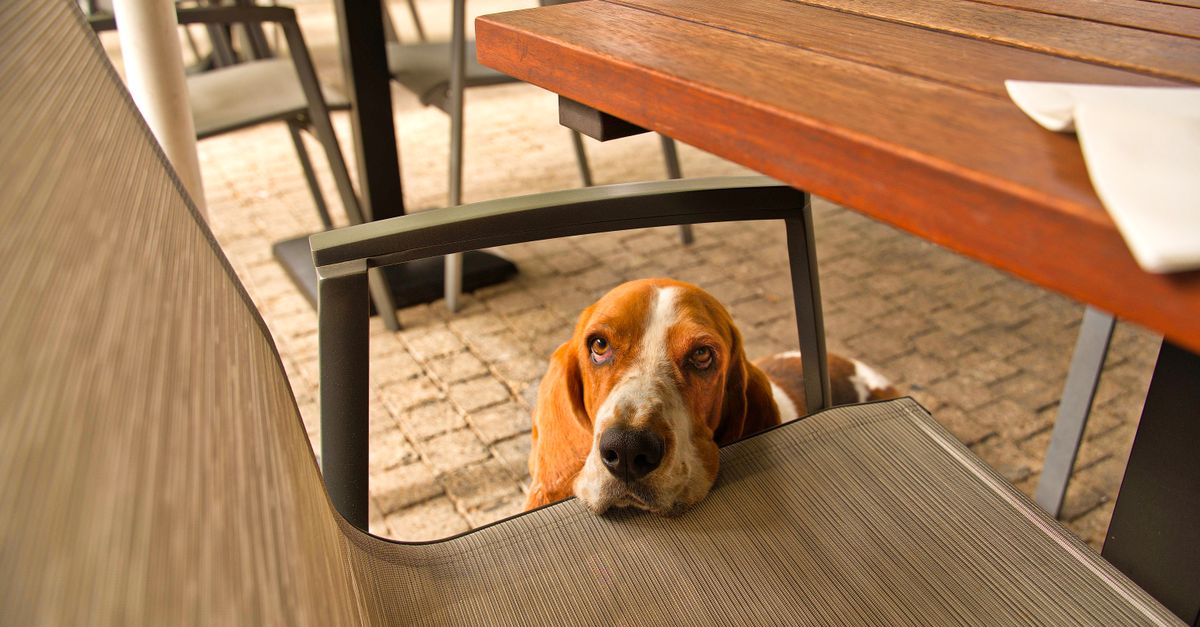
Pasta on your plate, two pleading eyes under the table - you know the scene. Good news: a bit of plain pasta will not hurt your dog. The catch: it is one of those extras that hands your dog plenty of calories and almost nothing else. Here is how to share it sensibly.
Is pasta good for dogs?
Honestly? Not really. Pasta is safe, but safe is not the same as worthwhile. It is made mostly from wheat flour, water, and sometimes egg - ingredients that do not harm your dog, but do not do much for them either.
Dogs are largely carnivores with an omnivorous streak. Their bodies handle protein and fat well, and they simply do not need the carbohydrates in pasta to thrive. So treat pasta as a feel-good snack, not part of a balanced diet.
| Feature | Plain pasta | Why it matters |
|---|---|---|
| Calories | High | Easy to overfeed and tip into weight gain |
| Protein | Low | Dogs need it from meat, not flour |
| Nutritional value | Minimal | Mostly empty carbs |
| Risk (plain, no extras) | Low | Safe in small portions |
| Risk (with sauce) | High | Onion, garlic, salt = serious problem |
What to avoid entirely
This is where the real risk lives - and it is not the pasta itself, it is whatever lands on top of it.
- Tomato sauce and jarred sauces - they almost always contain onion and garlic
- Garlic and onion - both belong to the allium family that damages a dog's red blood cells and can cause haemolytic anaemia; they act even in small amounts and build up over time
- Salt - dogs are far more sensitive to salt than we are, and too much can be dangerous
- Butter, oil, cream - needless fat that strains the pancreas
- Lots of cheese - many dogs do not digest lactose well
Bottom line: the pasta you had for dinner is almost certainly off-limits for your dog. Only pasta cooked separately, with nothing on it, is safe. For more on onion, garlic, and other kitchen traps, see the guide to what dogs can and cannot eat.
How to serve pasta to your dog
If you do want to share, keep it simple:
- Cook it in unsalted water - no seasoning, stock cubes, or oil
- Let it cool - hot pasta can burn the mouth
- Offer a few strands or a spoonful - a small portion, not a full bowl
- Add no sauce or fat - plain pasta is plenty on its own
- Watch your dog for a few hours, especially the first time you offer it
What about wholewheat pasta?
Wholewheat pasta has a little more fibre than white, so it is a marginally better pick. It is still an occasional extra, though, not a reason to increase the portion. The same moderation rule applies to rice for dogs and to bread - all of these are mostly carbohydrate.
How much pasta is a safe portion?
The familiar 10% rule applies: all treats and extras together should stay under one tenth of your dog's daily calorie needs. Pasta is calorie-dense, so that limit fills up fast.
- small dog (under 10 kg): a few cooked strands
- medium dog (10-25 kg): about a spoonful of cooked pasta
- large dog (over 25 kg): up to two spoonfuls
This is an occasional extra, not a daily fixture in the bowl.
When to skip it altogether
Leave pasta out and talk to your vet if your dog:
- has a wheat, gluten, or egg allergy or intolerance
- is overweight or on a calorie-restricted diet
- has diabetes
- has a sensitive stomach and reacts to new foods with diarrhoea
For recurring digestive trouble, or after your dog eats a large portion of sauced pasta (especially with onion or garlic), contact your vet - particularly if you see vomiting, lethargy, or weakness.
This article is for informational purposes only. If you have any doubts about your dog's diet, always consult a veterinarian.
Bowl away, time to move - because it is the walk that burns those carbs, not the sofa. Open DOGOUT, check the map for where local dogs are running today, and line up a shared walk before the loop around the block goes stale again.
Frequently asked questions
- Is plain pasta safe for dogs?
- Yes, cooked pasta with no salt, sauce, or seasoning is safe for most dogs in small amounts. It is mostly wheat, water, and sometimes egg - harmless ingredients on their own.
- Why should dogs not eat pasta with sauce?
- Classic sauces contain onion and garlic, which damage a dog's red blood cells, plus lots of salt, sugar, and sometimes xylitol. All of these are harmful or toxic to dogs.
- How much pasta can I give my dog?
- Only a small amount - a few cooked strands or a spoonful as an occasional extra. Pasta is calorie-dense and low in nutrients, so it should never replace proper food.
- Can pasta harm a dog with a grain allergy?
- Yes. A dog allergic to wheat, gluten, or eggs may react to pasta with itching, skin issues, or stomach upset. In that case skip pasta and discuss the diet with your vet.
- Can dogs eat raw pasta?
- Better not. Raw pasta is hard, difficult to digest, and may irritate the stomach or pose a choking risk. Only serve it cooked and cooled.