Can Dogs Eat Watermelon? Yes - Just Remove the Seeds First
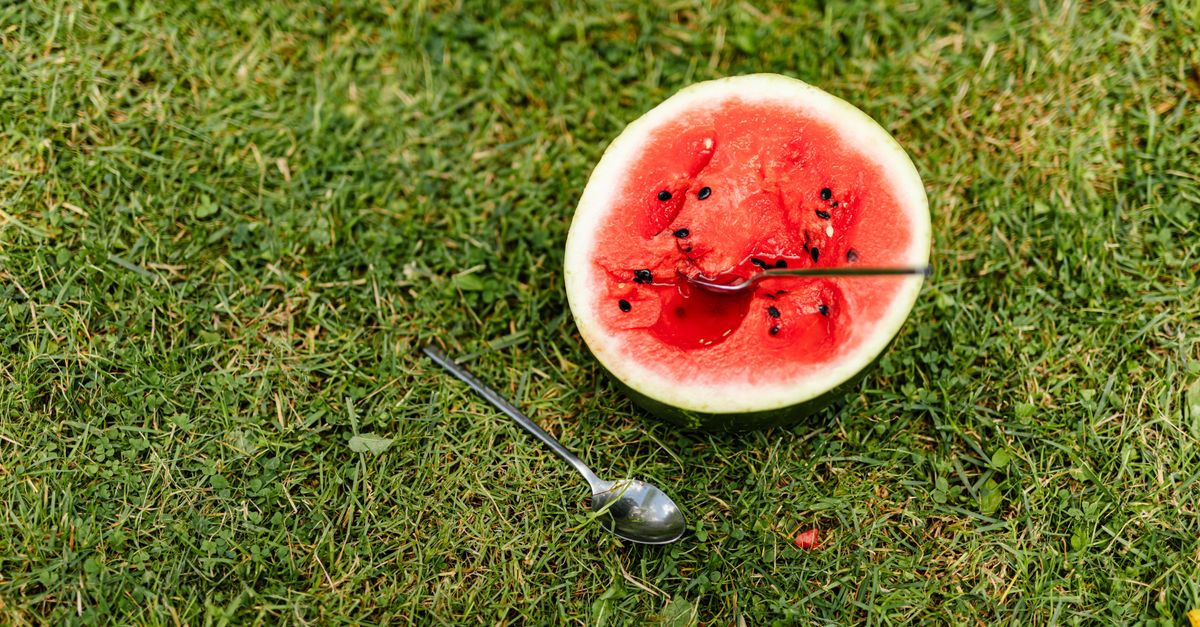
Yes, dogs can eat watermelon - the flesh without seeds or rind is safe, hydrating, and low in calories. Seeds can cause intestinal blockages, and the tough rind can cause digestive problems. Serve small pieces of pure flesh as an occasional treat.
It is hot, the walk was long, the dog is panting - and you are slicing watermelon. You want to share a piece. You can - you just need to do it right. Watermelon for dogs is a genuinely great summer idea that only takes a minute of prep.
Why watermelon gets the green light
Watermelon is roughly 92% water and delivers vitamins A, B6 and C, plus potassium. The AKC describes watermelon flesh as low in calories and packed with nutrients, and veterinary sources broadly agree it is a safe treat on a hot day. The key is knowing what part to serve - and how.
What needs to go before you serve it
Two things that cannot be skipped:
| Part of the watermelon | Serve it? | Why |
|---|---|---|
| Flesh | Yes | Safe, hydrating, low-calorie |
| Seeds | No | Risk of intestinal blockage - especially in small dogs |
| Rind (green and white) | No | Hard to digest, can cause diarrhoea and blockage |
The easiest approach: buy seedless watermelon, or take a minute to remove the seeds by hand. It eliminates the risk and is worth the effort every time.
How to serve watermelon to your dog - step by step
- Cut the flesh into small cubes (about 2-3 cm) - prevents choking
- Remove all seeds, including the small white ones
- Cut off the rind completely - neither green nor white parts
- Serve fresh or lightly chilled
In summer, frozen watermelon cubes work brilliantly as a post-walk reward or to help your dog cool down during a heatwave.
How much is the right amount?
Stick to the 10% rule - treats should not take up more than a tenth of your dog's daily calorie needs. For most dogs, a few small cubes at a time is plenty. Watermelon is so low in calories (around 30 kcal per 100 g) that portion size is rarely the main issue - but large amounts given regularly can cause stomach upset due to excess fibre.
Are there dogs who should skip watermelon?
Dogs with diabetes should only have it in very small amounts and after checking with a vet - watermelon is low in calories but still contains natural sugar. Dogs with sensitive stomachs should be introduced slowly: start with one small piece and observe for 24 hours.
For more summer fruit options, see the articles on strawberries for dogs and bananas. For a full picture of safe and unsafe foods, visit what dogs can and cannot eat.
This article is for informational purposes only. If you have any doubts about your dog's diet, always consult a veterinarian.
Summer is the best season to turn an ordinary walk into a small adventure. Open DOGOUT and see where other dog owners are spending hot days near you - there might be a shady park or a water point you had no idea existed.
Frequently asked questions
- Are watermelon seeds toxic to dogs?
- Seeds are not toxic but can cause intestinal blockages, especially in small dogs. Always remove them before serving - it only takes a moment and removes the risk entirely.
- Why can't dogs eat watermelon rind?
- The rind is tough and hard to digest. It can cause stomach upset, diarrhoea, and potentially an intestinal blockage. Only ever serve the flesh.
- How much watermelon can I give my dog?
- A few small cubes (about 2-3 cm) is a reasonable single serving for a medium-sized dog. Follow the 10% rule - all treats should not exceed 10% of daily calorie intake.
- Can watermelon hydrate my dog?
- Watermelon is about 92% water, so it is an excellent hydration boost on hot days. It does not replace a water bowl though - always keep fresh water freely available.
- Can I give my dog frozen watermelon?
- Yes - frozen flesh cubes (seeds and rind removed) make a brilliant cooling treat. Make sure pieces are small enough that your dog does not swallow them whole.