Dog Dental Care: Brushing, Chews and When to See the Vet
The best way to care for your dog's teeth is regular brushing with toothpaste made for dogs - ideally daily, at least 3 times a week. Never use human toothpaste: it contains ingredients harmful to dogs, and xylitol is toxic to them even in small amounts. Dental chews help but do not replace brushing. Periodontal disease is very common in dogs, so have your vet check the teeth and do a professional cleaning when it is needed.
Bad breath is not just something you put up with. It is usually the first sign that something in your dog's mouth needs attention. The good news: dog dental care is a simple routine you can slot into everyday life. The bad news: most owners keep putting it off, and periodontal disease creeps in quietly. Here is what actually works.
Why do a dog's teeth need regular care?
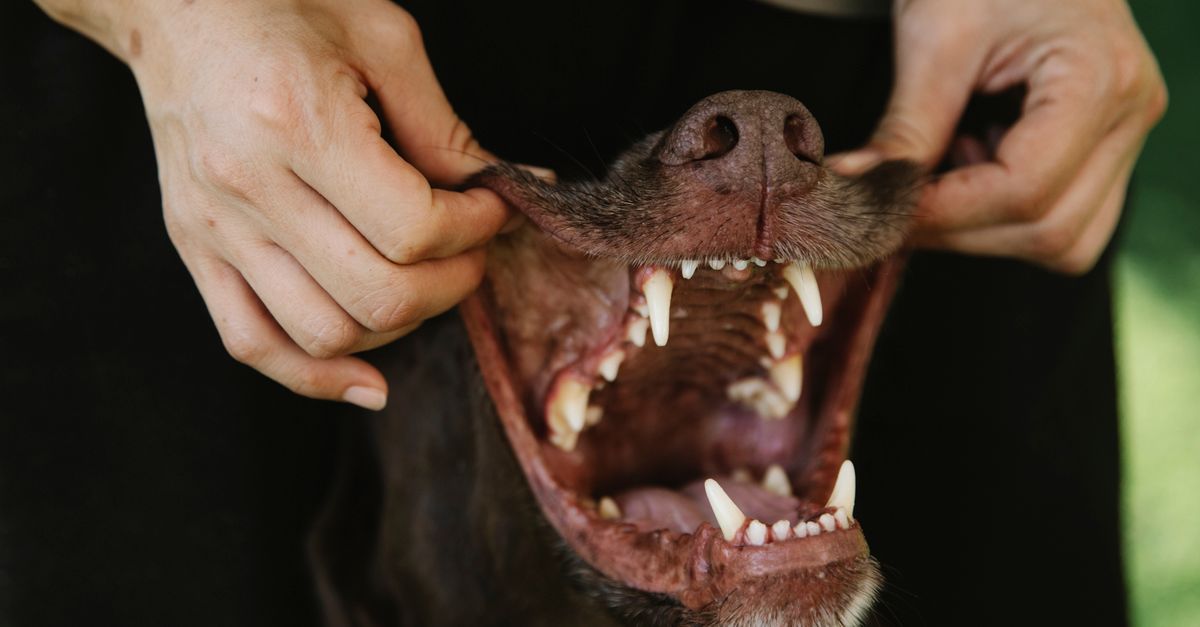
Periodontal disease is one of the most common health problems in dogs. The large majority of dogs show some signs of it by around three years of age. It starts innocently: plaque builds up on the teeth and hardens into tartar. Tartar irritates the gums, they become inflamed, and bacteria work their way under the gumline. From there it leads to pain, tooth loss, and in worse cases extra strain on the whole body.
This is not cosmetic. It is a real health issue, and the sooner you start, the slower it develops.
Brushing - the foundation nothing replaces
The single most effective method is brushing. The brushing motion mechanically removes plaque before it hardens into tartar - which is exactly why no chew can replace it.
How often should you brush?
The ideal is daily brushing. The sensible minimum is 3 times a week - research shows this frequency is enough to keep gums healthy. Brushing once a week no longer prevents gum inflammation, so there is little point going less often than three.
What tools and which paste?
- Dog toothbrush - a soft-bristled dog toothbrush or a finger brush (great to start with and for small dogs)
- Dog toothpaste - ideally enzymatic, in a flavour your dog likes (poultry, meat). The enzymes do some of the work even without vigorous scrubbing
Dog toothpaste is designed to be swallowed - because your dog swallows it rather than rinsing.
How to teach a dog to accept brushing
Your dog will not love this overnight. Build up gradually:
- For a few days, simply handle the muzzle, lips and gums, rewarding calm
- Let your dog lick a little paste off your finger so it links the taste to something good
- Introduce the brush: let your dog sniff and lick it before you use it
- Start with a few front teeth, then gradually work along the whole arch
- Keep sessions short and always finish on a positive note
Patiently building associations works the same way as other grooming tasks - you use the same pace to get a dog comfortable with ear cleaning or a bath.
What never to use - human toothpaste and xylitol
This is the most important warning in the whole article. Never use human toothpaste. Here is why:
- Xylitol - a sweetener found in many toothpastes (and chewing gums) is highly toxic to dogs. Even a small amount can trigger a rapid drop in blood sugar, seizures and liver damage. It is an emergency
- Fluoride - in the amount a dog swallows it can be harmful
- SLS and other detergents - irritate and are not meant to be swallowed
Your dog does not spit. Everything you put on the brush ends up in its stomach. If you suspect your dog has eaten toothpaste containing xylitol, contact your vet immediately - do not wait for symptoms.
Dental chews and treats - they help, but do not replace
Dental chews are a good extra. The chewing action and some ingredients reduce buildup. But there is a hard limit:
Chews do not reach below the gumline, and that is exactly where periodontal disease begins.
So treat them as a supplement, not a substitute for brushing. When you choose one, look for the VOHC seal (Veterinary Oral Health Council) - it means the product has been tested and actually works, rather than just looking good on the box. Be cautious with very hard chews (hard bones, antlers, hard hooves) - they can fracture a tooth.
Professional cleaning at the vet - when is it needed?
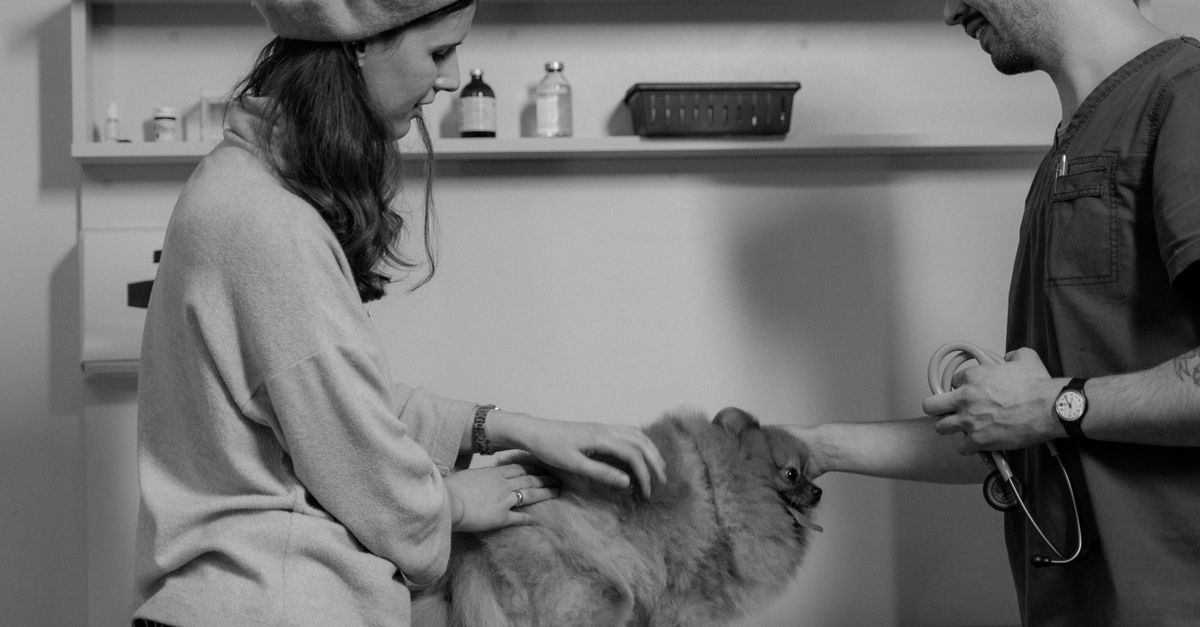
Even daily brushing will not remove tartar that has already hardened below the gumline. That is where the vet comes in. A professional cleaning (scaling) is usually done under anesthesia - this allows a thorough clean below the gum too, an assessment of every tooth, and nothing gets missed.
Whether and how often your dog needs this is decided by your vet after looking at the mouth. It is worth folding a dental check into routine visits - the same way you keep track of vaccinations. Regular home care plus a periodic professional assessment is the pairing that protects your dog's teeth best.
Warning signs - when to see the vet
| Symptom | What it can mean |
|---|---|
| Clearly bad breath | Bacteria, early periodontal disease |
| Yellow or brown tartar | Hardened plaque you cannot remove at home |
| Red or bleeding gums | Gum inflammation |
| Reluctance to chew hard things, chewing on one side | Pain in the mouth |
| Excessive drooling, pawing at the mouth | Discomfort or a sore tooth |
| Loose or missing tooth | Advanced periodontal disease |
If you spot any of these, do not wait - book a visit. The earlier you catch it, the less invasive the treatment.
This article is for information only. If you have any concerns about your dog's oral health, always consult a veterinarian.
Healthy teeth mean a dog that eats more happily, plays with its chew toy and has more energy to move. And after brushing - a walk. Check DOGOUT to see where dogs near you are walking today, and set up a shared outing with one tap.
Frequently asked questions
- Can I use human toothpaste on my dog?
- No. Human toothpaste contains ingredients that are harmful to dogs, such as fluoride and SLS, and many contain xylitol, which is highly toxic to dogs. Your dog swallows the paste rather than spitting it out, so only ever use toothpaste made for dogs.
- How often should I brush my dog's teeth?
- Ideally every day. The realistic minimum is 3 times a week - research shows this frequency is enough to keep gums healthy, while once a week is not enough to prevent inflammation.
- Do dental chews replace brushing?
- No. Dental chews and treats can support oral hygiene and reduce buildup, but they do not reach below the gumline where periodontal disease starts. Treat them as a supplement to brushing, not a substitute. Look for the VOHC seal on the packaging.
- What are the signs of dental problems in dogs?
- The most common signs are bad breath, yellow or brown tartar on the teeth, red or bleeding gums, reluctance to chew hard things and drooling. If you notice these, book a vet visit.
- Is professional dental cleaning at the vet necessary?
- Only a professional cleaning at the vet removes tartar from below the gumline that brushing and chews cannot reach. It is usually done under anesthesia. Your vet decides whether and how often it is needed after examining your dog's mouth.
- When should I start caring for my dog's teeth?
- The earlier the better. Getting a puppy used to having its mouth handled and to the taste of the paste builds positive associations and makes brushing an easy routine in adulthood.