Dog First Aid Kit - What to Include and How to Use It
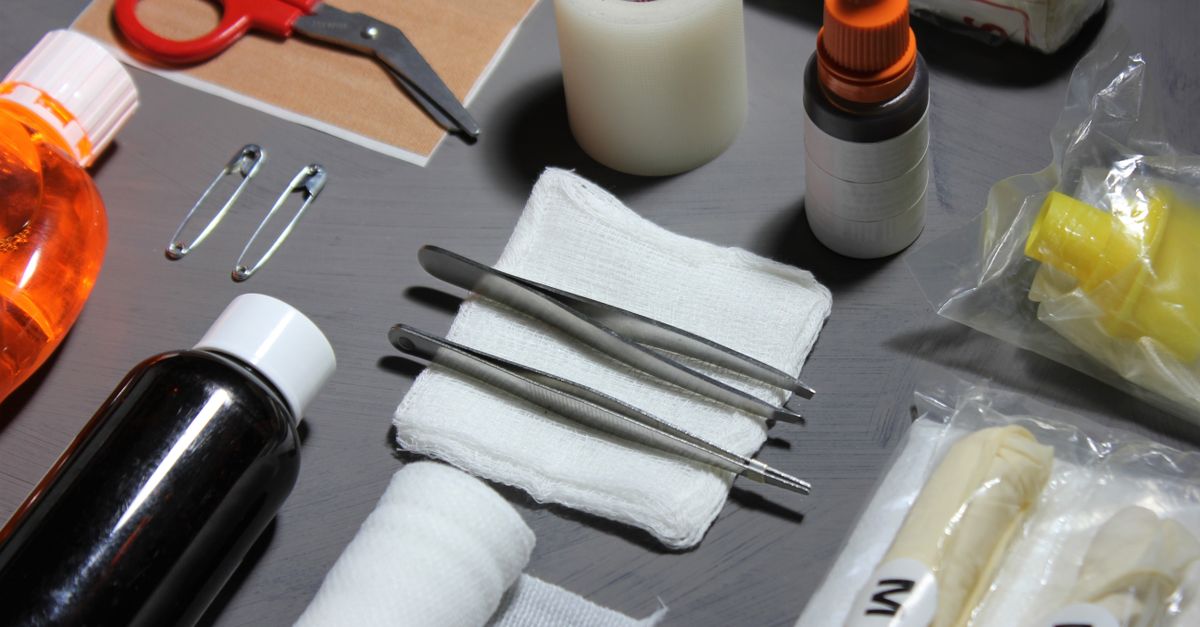
A dog first aid kit should contain sterile gauze and an elastic bandage, saline solution (0.9%) to flush wounds, a dog-safe antiseptic such as diluted chlorhexidine, blunt-tipped scissors, tweezers, a needleless syringe, a rectal thermometer, and the contact details for your vet and the nearest 24-hour emergency clinic. Activated charcoal can be kept in the kit but must only be given on vet instruction - it does not work against all toxins. The kit buys you time on the way to the clinic; it does not replace professional care.
A good first aid kit is not a cupboard full of medicines - it is a handful of well-chosen items that buy you time and keep you calm in the minutes before professional help arrives. That is the whole point: the kit lets you act sensibly and steadily when your dog needs you most.
Why does a dog need a first aid kit?
Dogs do not slow down for hazards. Cuts on a walk, burned paw pads, choking, contact with a toxic plant, a fall during play - accidents happen fast, and usually when the nearest vet feels very far away. A well-stocked kit will not replace your vet, but it can limit damage and reduce stress - for your dog and for you.
For a guide to the specific steps you take in an emergency, see our article on dog first aid.
The checklist: what to put in a dog first aid kit
Split the kit into three groups - wound care, antiseptics, and tools plus documents. That makes it easier to check and restock.
Wound care supplies
| Item | What it is for |
|---|---|
| Sterile gauze pads | Absorbing blood, protecting a wound |
| Elastic bandage | Holding a dressing in place |
| Cohesive self-adhesive bandage (vet wrap) | Does not stick to fur, easy to apply |
| Medical tape | Securing gauze and bandage |
| Blunt-tipped scissors | Trimming fur around a wound, cutting bandage |
| Triangular bandage | Improvised sling, limb support |
Antiseptics and cleaning supplies
- 0.9% sterile saline solution in single-dose vials - for flushing wounds and eyes. Gentle, effective and the safest first rinse.
- Chlorhexidine 0.05-0.5% - the antiseptic most often recommended by vets for cleaning the skin around a wound.
- Petroleum jelly (Vaseline) - for the thermometer and as a lubricant when applying dressings.
What to avoid: hydrogen peroxide damages healthy tissue and slows healing. Vets consistently advise against it for wound cleaning, despite its popularity in medicine cabinets. Use saline instead.
Tools
- Digital rectal thermometer - the only reliable way to measure your dog's temperature. Normal range: 37.5 to 39 degrees Celsius (99.5 to 102.2 F).
- Needleless syringe (2-5 ml) - for giving fluids by mouth or flushing a wound with saline.
- Tweezers - for removing thorns, splinters, glass fragments and ticks. A dedicated tick removal hook is worth adding too - see our guide to ticks on dogs for the correct removal technique.
- Instant cold pack - for bruises and swelling when you have no access to a freezer.
- Disposable gloves - hygiene and protecting your own hands.
- Small torch or head torch - for inspecting the mouth, eyes and wounds in poor light.
- Emergency foil blanket - for hypothermia or shock.
Documents and contacts - non-negotiable
No kit is complete without emergency numbers written down. Keep a card with:
- Your vet's phone number
- Address and number of the nearest 24-hour emergency veterinary clinic
- ASPCA Animal Poison Control Center (US): 888-426-4435
A note on activated charcoal
Activated charcoal is sometimes recommended for suspected poisoning - and it does have a role, but only on vet advice. It does not bind all toxins and is ineffective against alcohol, heavy metals, strong acids and alkalis. Dosing for dogs is very different from humans. If you suspect poisoning, your first move is to call the vet, not reach for the charcoal. Bring the packaging or describe what your dog may have eaten - it helps the vet choose the right treatment fast.
No human medication should go into a dog first aid kit without prior vet approval. Many drugs safe for people are toxic to dogs.
Home kit vs travel kit
Your home kit can be more comprehensive. The kit you take on walks and trips should be:
- Compact and waterproof - a small bag or a sealed plastic box
- Always with you - in your backpack or the car
- Stocked with a cohesive self-adhesive bandage and a tick tool
- Paired with your vet's number saved on your phone
Check the kit every few months and replace anything past its expiry date. A bandage you have cut into and left open is no use when you need it - restock in advance.
What a first aid kit cannot replace
First aid is temporary support on the way to professional care - not a treatment. Even if a wound looks minor, watch your dog for the next several hours. A temperature above 39.5 degrees Celsius (103.1 F), heavy bleeding, difficulty breathing, loss of consciousness, a suspected fracture or poisoning - get to a vet without delay.
A stocked kit means you will never be completely unprepared when something goes wrong. Get out there with your pack - the DOGOUT map helps you find vets, dog-friendly spots and walk routes nearby, so you always know where to head next.
Frequently asked questions
- What are the absolute must-haves in a dog first aid kit?
- The essentials are: sterile gauze and an elastic bandage, 0.9% saline solution, chlorhexidine or another vet-safe antiseptic, blunt-tipped scissors, tweezers, a needleless syringe, a rectal digital thermometer, and the phone numbers for your vet and the nearest 24-hour emergency clinic.
- Can I use hydrogen peroxide to clean my dog's wound?
- No - hydrogen peroxide is not recommended for cleaning dog wounds. It damages healthy tissue and delays healing. Use 0.9% saline to rinse the wound and diluted chlorhexidine (0.05-0.5%) as an antiseptic. When in doubt, call your vet.
- Should I keep activated charcoal in my dog's first aid kit?
- You can keep it in the kit, but never give it without speaking to your vet first. Activated charcoal does not work against all toxins - it has no effect on alcohol, heavy metals, acids or alkalis. If you suspect poisoning, call your vet immediately and follow their instructions.
- What is a normal temperature for a dog and how do I measure it?
- A dog's normal body temperature is 37.5 to 39 degrees Celsius (99.5 to 102.2 F). Measure it with a digital rectal thermometer - apply a little petroleum jelly to the tip and gently insert it about 2-3 cm. A reading above 39.5 C (103.1 F) is a reason to call your vet.
- How is a travel first aid kit different from a home one?
- A home kit can be larger and more comprehensive. A travel kit should be lightweight, waterproof and compact - the core items are the same, but add a self-adhesive cohesive bandage, an instant cold pack, and a tick tool. Always have your vet's number on your phone.
- What should I do if my dog is poisoned before I reach the vet?
- Stay calm and call your vet or an emergency clinic straight away. Do not make your dog vomit and do not give anything by mouth without explicit vet guidance - some substances cause more damage on the way back up. Bring the packaging or a description of what your dog ate.