Dog Heatstroke - Symptoms, First Aid and Prevention
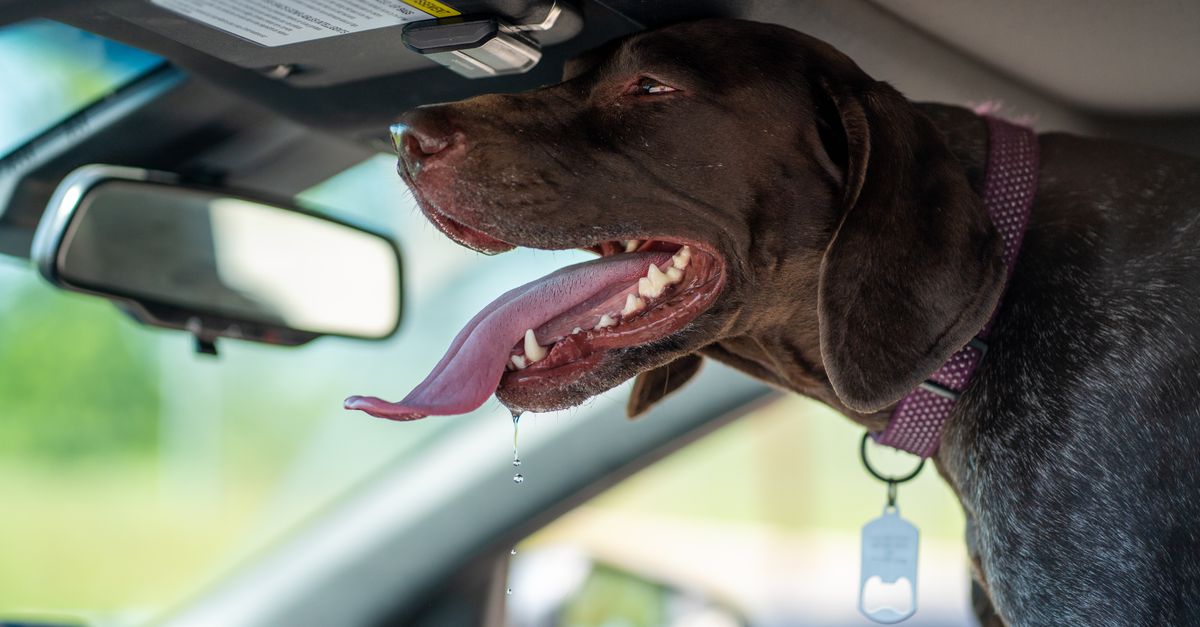
Heatstroke is a life-threatening emergency in dogs. Early signs include intense panting, weakness, unsteady walking and red or pale gums. If you see these: move your dog to shade immediately, pour cold water over them - wet the neck, armpits, groin and paws - and get to a vet as fast as possible. Cold water is safe and cools fastest; any water cooler than your dog helps. Do not wait to see if they recover on their own.
Heat can kill a dog faster than most owners realise. Dogs do not sweat the way we do - their main cooling mechanism is panting, which is far less efficient, especially on hot and humid days. When the body's temperature rises beyond what panting can handle, organ damage can begin within minutes. Knowing what to look for - and what to do - is the information that buys your dog time.
Why are dogs so vulnerable to overheating?
A dog's normal body temperature sits between about 38-39 degrees Celsius. Once it climbs above 41 degrees, internal organs start to suffer. Above 42-43 degrees the risk of death is very high. And unlike humans, who shed heat through sweat across the entire body surface, a dog can only lose heat through panting and the small sweat glands in their paw pads.
A hot car, a sunny afternoon on a concrete pavement, or a game of fetch in direct sun - any of these environments can tip a dog into a crisis within minutes. For specific tips on safe summer outings, see our guide to walking your dog in the heat.
Which dogs are most at risk?
Every dog can overheat, but some are far more vulnerable than others:
| Risk group | Why |
|---|---|
| Brachycephalic breeds (Pug, Bulldog, Boxer, Shih Tzu) | Anatomy limits airflow - panting is much less effective |
| Senior dogs | Weaker temperature regulation, often with underlying conditions |
| Puppies | Thermoregulation not yet fully developed |
| Overweight dogs | Fat insulates heat and increases physical effort |
| Dogs with dark or thick coats | Absorb more heat from sunlight |
| Dogs with heart or respiratory disease | Reduced physiological reserve |
If your dog is in any of these groups, start monitoring more carefully once temperatures climb above 25 degrees.
Symptoms of heatstroke - what to look for
Heatstroke develops in stages. Spotting the early signs gives you the best chance to act in time.
Early signs - act now:
- intense, loud panting that seems out of proportion to exertion
- thick, sticky drooling
- noticeable weakness and reluctance to move
- bright red or deeply flushed gums and tongue
- restlessness or sudden confusion
Advanced signs - this is an immediate emergency:
- unsteady walking or inability to stand
- vomiting or diarrhoea (possibly with blood)
- pale, bluish or white gums
- seizures
- loss of consciousness or collapse
Do not wait for the situation to resolve itself. Heatstroke can damage the kidneys, heart and nervous system even when a dog appears to be recovering. Always consult a vet - see our broader guide to dog first aid for what else to keep in mind.
First aid for heatstroke - step by step
The key principle: cool first, transport second. Research shows that starting to cool a dog before arriving at the clinic significantly improves survival odds.
What to do
- Move your dog out of the heat immediately - into shade, a cool room or an air-conditioned car.
- Wet your dog with cold water - focus on the neck, armpits, groin and paws. The colder the water, the faster it pulls heat away; any water cooler than your dog helps.
- Add air movement - fan the wet dog or place them near a fan or air conditioner; evaporation from the wet coat speeds cooling considerably. This is the preferred approach for older, frail or unconscious dogs.
- Keep cooling on the way to the clinic - do not stop until your dog is clearly recovering. Do not try to judge the "right" temperature yourself; the vet will assess that.
- Offer small sips of water if the dog is conscious and able to drink. Do not force it.
- Call the vet on the way and let them know you are coming with a dog showing signs of heatstroke - they can prepare to treat immediately.
What not to do:
- Do not leave the dog alone to "rest it off" - watch them the whole time.
- Do not wrap the dog in wet towels - these trap heat rather than release it.
- Do not pour water directly into the ears.
- Do not give any medication without vet advice.
- Do not delay cooling out of fear the water is "too cold" - cold water is safe and works fastest.
Is it really always an emergency?
Yes - every time. Even when cooling brings visible improvement, heatstroke can cause internal damage that only shows up later: kidney failure, clotting disorders, neurological problems. A vet will assess your dog, administer IV fluids if needed and rule out complications that are invisible from the outside. Going to the vet after suspected heatstroke is not overcaution - it is the right call.
You may also want to check your dog over for ticks after outdoor summer walks - another summer health risk worth staying on top of.
How to prevent heatstroke
A few habits make a real difference:
- Walk early and late - in summer, avoid the 11am-4pm window when heat and UV radiation peak.
- Always carry water - for you and for your dog. A dog can drink far more than usual in hot weather.
- Check the pavement - asphalt and concrete can reach over 60 degrees in direct sun. Press your palm flat: if you cannot hold it there for 5 seconds, the surface is too hot for your dog's paws.
- Never leave your dog in a parked car - even with a window cracked, the temperature inside rises to dangerous levels within minutes.
- Provide shade and water at home - especially if your dog spends time outside during the day.
- Cut exertion short - a hot day is not the time for a long run or an intensive training session.
Summer walks are still worth having - just plan them wisely. Use the DOGOUT map to find shaded parks, dog-friendly water points and spots flagged by other owners. Head out when it is cool, let your dog explore, and get home safe.
Frequently asked questions
- How do I know if my dog has heatstroke?
- Look for intense, loud panting, thick drooling, weakness and unsteady movement. The gums may be bright red, or in serious cases pale or bluish. The dog may vomit, seem confused or stop moving entirely. Any of these signs in hot conditions means act now.
- What should I do if my dog has heatstroke?
- Move the dog to shade or an air-conditioned space immediately. Cool them with water - wet the neck, armpits, groin and paws. Use cold water and act fast; the colder the water, the quicker heat is lost. If the dog is conscious, offer small sips of water. Then get to a vet - heatstroke is always a veterinary emergency.
- Can I use cold water to cool a dog with heatstroke?
- Yes - cold water is safe and cools fastest. The old warning that cold or icy water causes harmful blood-vessel constriction or 'shock' is a myth; current veterinary guidance is to pour, hose or immerse the dog in the coldest safe water available. Any water cooler than your dog helps, so speed matters most. For older, frail or unconscious dogs, pour water on them and add air movement (a fan or breeze) rather than relying on prolonged immersion.
- Which dogs are most at risk of heatstroke?
- Brachycephalic breeds (Pugs, French and English Bulldogs, Boxers, Shih Tzus) are at highest risk because their airway anatomy makes panting far less effective. Other high-risk groups include elderly dogs, puppies, overweight dogs, dogs with dark or thick coats, and dogs with heart or respiratory conditions.
- How can I prevent heatstroke in my dog?
- Walk early in the morning or in the evening and avoid exercising in the midday heat (roughly 11am-4pm in summer). Always carry water. Never leave your dog in a parked car, even with windows open - the temperature inside rises extremely fast. Check the pavement: if you cannot hold your hand on it for 5 seconds, it is too hot for your dog's paws.
- Is heatstroke always a vet emergency?
- Yes. Even if your dog seems to improve after cooling, heatstroke can cause internal organ damage that is not visible. A vet can assess your dog, give IV fluids if needed and rule out complications. Always go - the risk of not going is far higher than the inconvenience of the trip.