Dog Obesity - How to Spot Excess Weight and Help Your Dog Slim Down
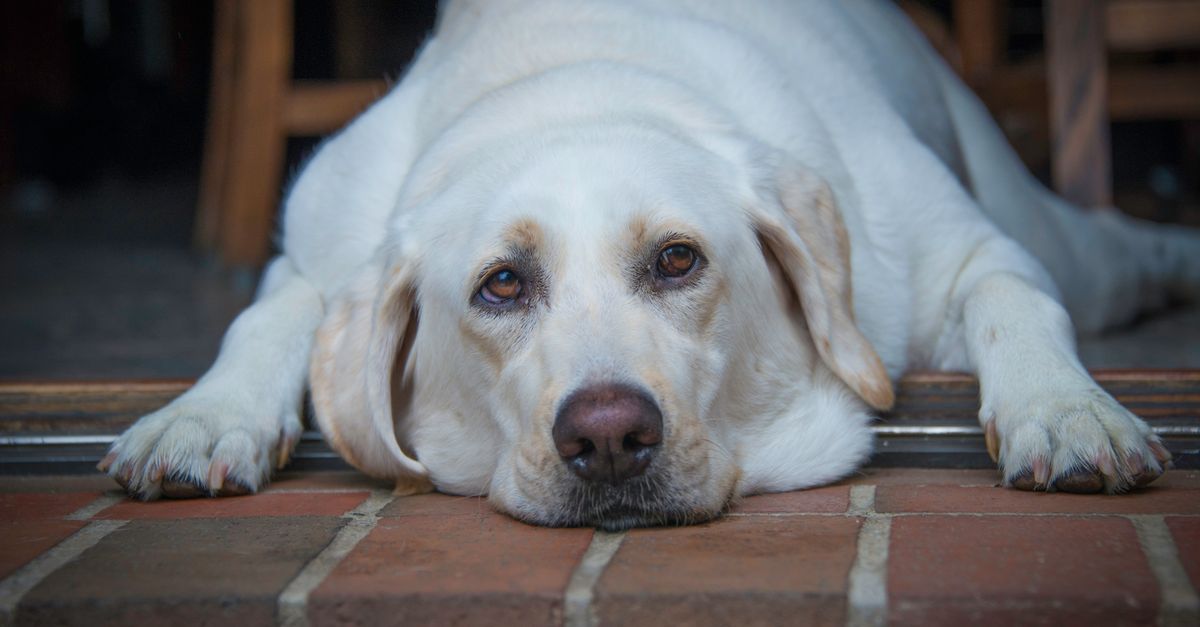
A dog is overweight when its body weight is more than 10-15% above its ideal - and obesity begins at 30% above ideal. The most reliable tool is the 9-point body condition score (BCS), where 4-5 is healthy. Weight loss in dogs should always be guided by a vet: they rule out underlying conditions, set a target weight, and design the diet. A safe rate of loss is 1-2% of body weight per week.
A fat dog is not a happy dog - that is a myth that costs our dogs their health and their years. Canine obesity is one of the most common health problems, affecting close to half of all pet dogs in Western surveys, yet owners often miss it because the weight creeps on slowly. The good news: most dogs can get back into shape with the right plan.
How to assess your dog's weight
Because ideal weight varies so dramatically between breeds, the raw number on the scale tells you very little. Vets use the body condition score (BCS) on a 1 to 9 scale - a much more useful tool.
| BCS (1-9) | Condition | What you see and feel |
|---|---|---|
| 1-3 | Underweight | Ribs, spine and hips visible to the naked eye, no fat cover |
| 4-5 | Ideal | Ribs easily felt under a thin fat layer, visible waist from above, belly tuck from the side |
| 6-7 | Overweight | Ribs hard to feel, waist faint or gone, belly rounded |
| 8-9 | Obese | Ribs cannot be felt, fat deposits on back and neck, belly noticeably pendulous |
How to check at home: place flat palms on both sides of your dog's chest and slide them gently. You should feel individual ribs the way you feel the knuckles on the back of your hand (not like the back of a fist, which is padded). If you have to press to find them, that is a signal to act.
Overweight starts at 10-15% above your dog's personal ideal. Obesity begins at 30% above. Your vet sets those numbers with your specific dog's breed, build, and history in mind.
Why obesity is dangerous
This is not about looks. Excess weight actively damages your dog's health.
Joints and movement: the extra load wears down cartilage faster, causing or worsening osteoarthritis. A dog in pain moves less - and less movement means more weight gain.
Diabetes: obesity is a leading risk factor for diabetes in dogs. An obese dog may need lifelong insulin injections.
Heart and breathing: extra weight stresses the cardiovascular system. In brachycephalic breeds - Pugs, English Bulldogs, French Bulldogs - even a few extra kilos can make an already compromised airway much worse.
Shorter lifespan: in the landmark Purina Lifetime Study, dogs kept at a lean body weight lived a median of 1.8 years longer than their heavier littermates from the same litter. That gap is larger than the effect of most other controllable factors combined.
For more on what you feed your dog day to day, see what dogs can and cannot eat - diet is the foundation of condition.
The most common causes of dog obesity
- Too much food - overfeeding, unmeasured portions, too many treats (treats should be max 10% of daily calories)
- Too little movement - check how many walks a dog needs for your dog's breed and age
- Table scraps - human food is often far too calorie-dense and fatty for dogs
- Neutering or spaying - reduces energy needs by roughly 20-30%; portion sizes need adjusting
- Age - older dogs have slower metabolisms
- Underlying illness - hypothyroidism and Cushing's disease can cause weight gain; your vet should rule these out before starting any diet
Breeds particularly prone to excess weight
Labrador Retrievers, Beagles, Cocker Spaniels, Dachshunds, Cavalier King Charles Spaniels, Basset Hounds, and Shetland Sheepdogs show higher rates of obesity. If your dog is one of these breeds, watch their condition more closely.
How to help your dog lose weight safely - step by step
1. Start with the vet
Do not start a diet without a consultation. The vet will set a target weight, rule out underlying conditions (like hypothyroidism), and calculate daily calorie needs. Never starve your dog - losing weight too fast causes serious health problems of its own.
2. Measure everything
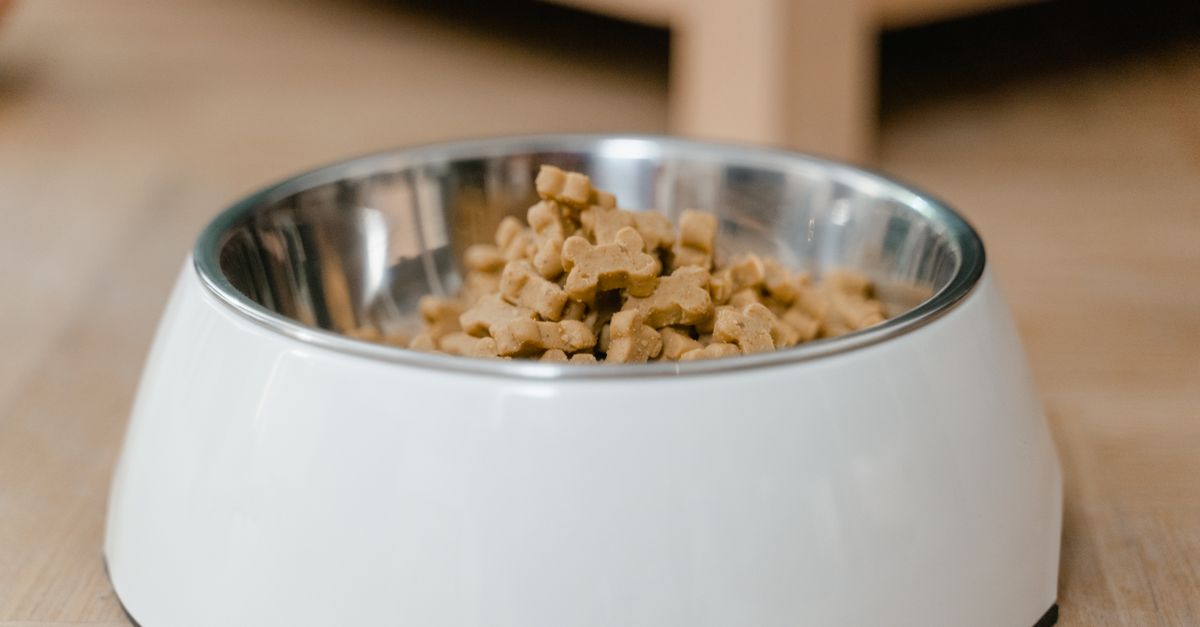
Weigh food portions on a kitchen scale (measuring cups are inaccurate). Count calories from every source: main food plus treats plus training rewards. Treats should make up no more than 10% of daily calorie intake.
3. Choose the right food
Veterinary weight-management diets and 'light' foods contain more fibre at lower calorie density. Your dog eats a satisfying volume while taking in fewer calories. Choose the type and amount with your vet - not all light products on the supermarket shelf are right for every dog.
4. Increase activity - gradually
Before ramping up exercise, make sure your dog's joints can handle it. Great options for overweight dogs:
- Moderate-pace walks - skip sprints and intense play at first
- Swimming - almost zero joint load, ideal for dogs with orthopaedic problems
- Sniff-focused walks - mental activity burns energy too; find ideas in how to make dog walks better
Safe weight loss is 1-2% of body weight per week. The whole process often takes several months - patience is part of the plan.
5. Track progress
Weigh your dog every two weeks - same time of day, before a meal. If there is no change after four weeks, go back to your vet to adjust the plan.
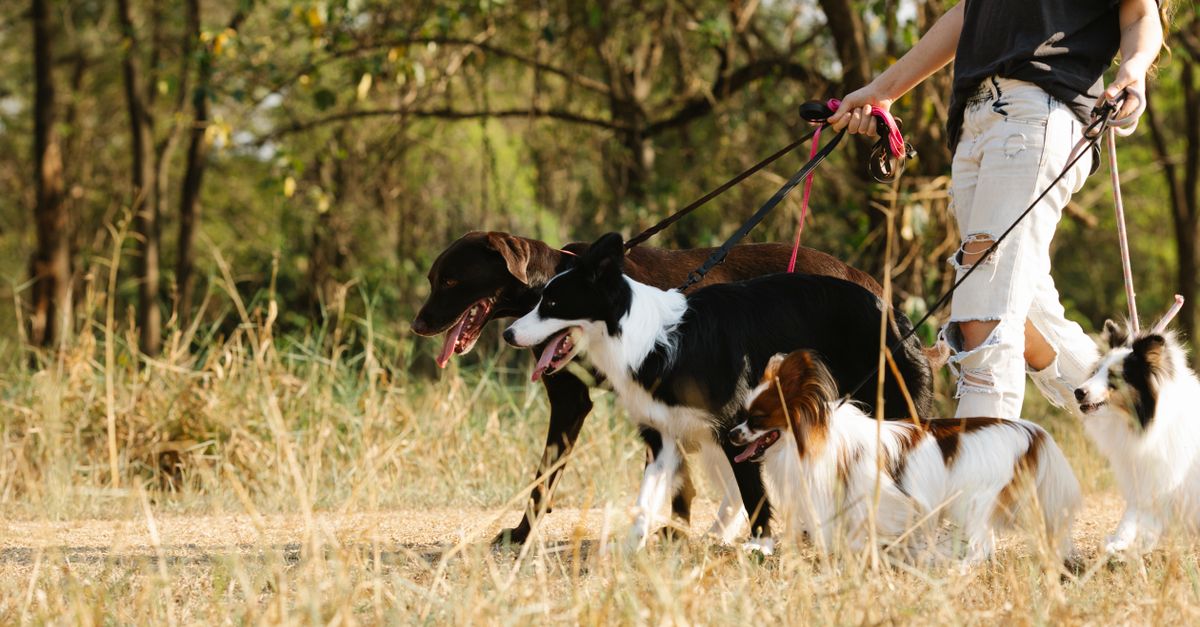
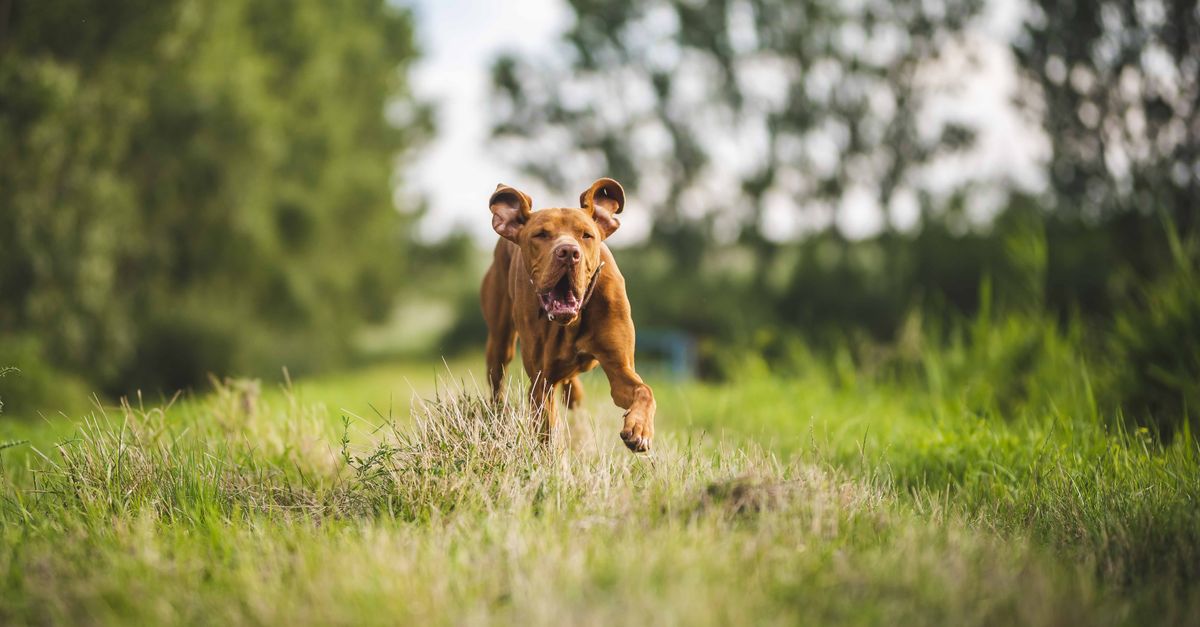
An active dog is a leaner dog. Regular walks are one of the simplest ways to keep your dog in shape - and in the DOGOUT app you can find dog-friendly spots nearby and arrange a walk with other owners. Get out there, let the pack move, and make those extra kilos a thing of the past.
Frequently asked questions
- How do I know if my dog is overweight?
- Place your palms flat on the sides of your dog's chest and slide them along the ribcage. You should be able to feel individual ribs under a thin layer of fat without pressing hard. From above, your dog should have a visible waist tuck; from the side, a gentle upward tuck of the belly. If the ribcage feels padded and the waist has disappeared, it is time for a vet check.
- How fast can my dog safely lose weight?
- The safe rate is 1-2% of body weight per week. For a 20 kg dog that is roughly 200-400 g per week. Faster loss can be dangerous - never cut rations by more than 20-25% without veterinary guidance.
- Will more walks alone make my dog lose weight?
- Unlikely on their own. Research shows weight loss is roughly 60-70% diet and 30-40% exercise. Walks are important and help preserve muscle, but without reducing calorie intake, activity alone rarely leads to lasting weight loss. Both need to change together.
- Can my dog eat special weight-loss food?
- Yes, and it is often the best option. Veterinary weight-management diets and 'light' foods have fewer calories per serving but more fibre, so your dog feels fuller. Always choose the food type and portion size with your vet - not every shop-bought 'light' product suits every dog.
- Which dog breeds are most prone to obesity?
- Breeds with a higher tendency toward overweight include Labrador Retrievers, Beagles, Cocker Spaniels, Dachshunds, Cavalier King Charles Spaniels, Basset Hounds, and Shetland Sheepdogs. Neutered or spayed dogs also have lower energy needs - factor that into portion sizes.
- Why is obesity in dogs actually dangerous?
- Obesity shortens a dog's life. The Purina Lifetime Study found that lean dogs lived a median of 1.8 years longer than their heavier littermates. Obesity leads to joint disease, diabetes, heart strain, breathing difficulties, and raises the risk of certain cancers. Every 10% of excess weight carries real health consequences.