Fleas on Dogs: How to Spot, Treat and Stop Them Coming Back

You can spot fleas on a dog by frequent scratching, skin nibbling, and flea dirt - tiny black specks in the coat that smear reddish-brown when pressed onto a damp paper towel. That is digested blood, meaning flea droppings. Treatment has to cover both the dog and the home, because most of the population (eggs and larvae) lives in the environment, not on the dog. Choose the product with your vet.
Your dog is scratching, nibbling at the base of its tail, and generally on edge. Before you blame dry skin, rule out fleas. It is one of the most common and most maddening skin problems dogs face - but also one you can beat decisively, once you understand how the enemy actually works.
How do you spot fleas on a dog?
You often will not see the fleas themselves - they are fast and they hide in dense fur. So you look for evidence.
Signs worth taking seriously
- Heavy scratching and nibbling - especially the tail base, belly, groin and behind the ears
- Restlessness - the dog cannot settle, keeps shifting around
- Bald patches and scabs from constant scratching
- Black specks in the coat - so-called flea dirt
- Sometimes fast-moving brown insects when you part the fur
The flea dirt test - simple and reliable
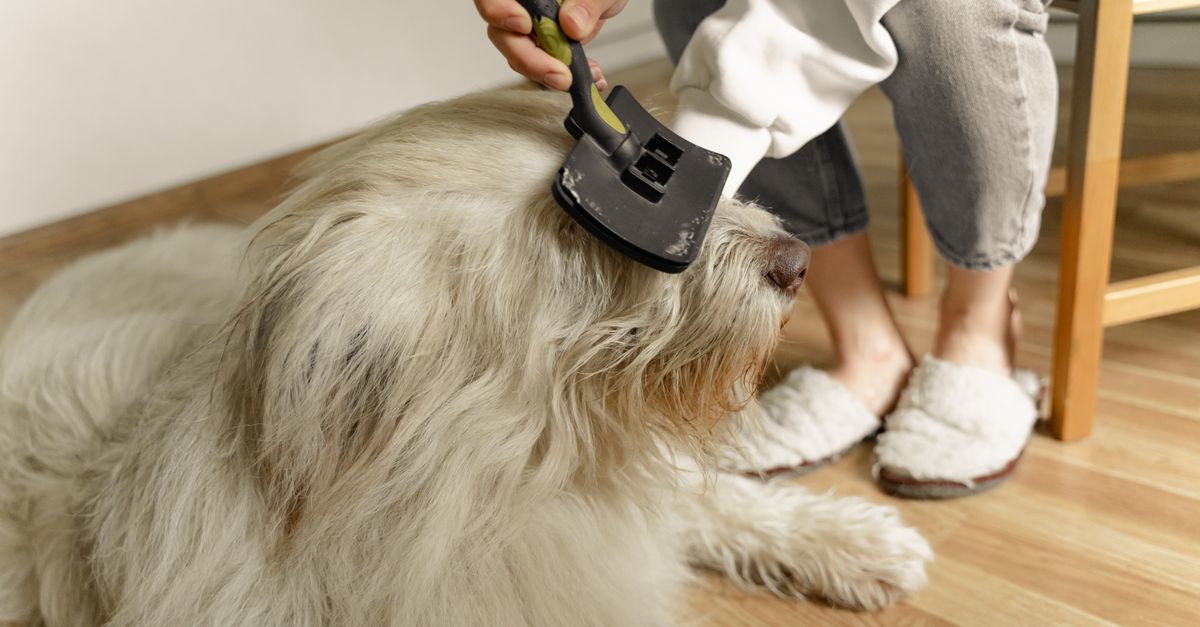
This is the most dependable home check. Comb your dog with a fine-toothed comb (a flea comb is ideal) over a white towel or sheet of paper. If black specks drop out, move a few onto a damp paper towel. Flea dirt is dried, digested blood, so on wet paper it smears reddish-brown or rust-coloured. Ordinary dust does not do that. If the specks stay black, it is not fleas.
Why you have to treat the dog and the home together
Here is the mistake almost everyone makes: they treat the dog, the fleas come back, and everyone is frustrated. The reason is simple - adult fleas on the dog are the tip of the iceberg.
A female flea lays dozens of eggs a day. The eggs do not stick to the coat - they roll off the dog into bedding, carpets, floor cracks and upholstery. There the eggs hatch into larvae, which feed on debris including flea dirt, then seal themselves into tough pupae. Most of the flea population in your home is exactly this: eggs, larvae and pupae in the environment, with adults on the dog being the minority.
| Flea stage | Where it lives | What it means for you |
|---|---|---|
| Egg | Falls off the dog into the home | Invisible, scattered everywhere |
| Larva | Carpets, bedding, cracks | Feeds on flea droppings, hides in the dark |
| Pupa | Environment, very tough | Can wait out weeks, hard to kill |
| Adult flea | On the dog, feeding on blood | What you see - a small part of the problem |
The takeaway: treat only the dog and the immature stages in your home will finish their cycle and re-infest it. That is why flea control always works on two fronts.
How to get rid of fleas - the action plan
Step 1: treat the dog with a vet-chosen product
Options include spot-on treatments (drops on the neck), oral tablets and collars. Each form has its own indications, duration and age or weight limits. Do not pick by guesswork or price - ask your vet to match the product to your dog's age, weight, health and lifestyle. Never give a dog a product made for cats or vice versa - some ingredients are toxic to cats. Stick to the dosing on the label and your vet's instructions.
Step 2: clean the environment
At the same time, hit the surroundings:
- Vacuum daily - carpets, floors, cracks, skirting boards, under furniture and wherever the dog sleeps. Empty the bag or canister outside straight away.
- Wash bedding and fabrics on the hottest cycle they can take.
- Treat blankets, beds and the spots where the dog spends most of its time.
- If other pets share the home, put them all on prevention - otherwise fleas just circulate between them.
The flea life cycle stretches over weeks, and pupae can sit and wait. So keep control going consistently for several weeks, not for a single weekend.
Fleas are not just an itch - why fast action matters
Tapeworm
When a dog bites at an itchy spot, it can swallow an infected flea - and that is a common route to tapeworm. This is why vets often recommend deworming at the same time during an infestation. For the details, see our guide on deworming your dog.
Flea allergy dermatitis (FAD)
For some dogs the problem goes well beyond itching. Flea allergy dermatitis is a hypersensitivity to proteins in flea saliva - in an allergic dog, just a few bites can trigger intense itching, redness and hair loss, usually over the lower back near the tail base and the back legs. It needs veterinary treatment and unusually strict, year-round flea control.
In severe cases, especially in puppies and small dogs, a long infestation can lead to anaemia from blood loss. One more reason not to wait.
Prevention - far easier than chasing the cycle
The easiest fleas to deal with are the ones that never arrive. Regular prevention, chosen with your vet, saves you weeks of cleaning and your dog a lot of discomfort. Fleas are not only a summer problem - in heated homes they breed all year, so year-round protection makes sense. While you are at it, check your dog for ticks too, since many products cover both, and regular combing and coat grooming make it far easier to catch a problem early.
Remember: this article is for general information. If you suspect fleas, an allergy, or any skin changes, talk to your vet - they will tailor the treatment to your dog.
Healthy skin means a calm dog that is ready to go. Once the fleas are behind you, open the DogOut map, scope out the parks and off-leash spots nearby, and set up a walk - fresh trails instead of scratching at home.
Frequently asked questions
- How do I know if my dog has fleas?
- The most common signs are intense scratching, skin nibbling, restlessness, and flea dirt - small black specks in the coat. Comb your dog over a white towel, then move any suspicious specks onto a damp paper towel. If they smear reddish-brown, that is dried blood, meaning flea droppings, and confirms fleas.
- Is treating just the dog enough?
- No. Adult fleas on your dog are only a small fraction of the population - most are eggs, larvae and pupae scattered through bedding, carpets and floor cracks. Treat only the dog and the environment will quickly re-infest it. You have to treat the dog and clean the home at the same time.
- Can fleas give my dog tapeworm?
- Yes. A dog that bites at itchy skin can swallow an infected flea and pick up tapeworm. That is why vets often recommend deworming alongside flea treatment when there is an infestation. See our article on deworming for more.
- What is flea allergy dermatitis (FAD)?
- It is a hypersensitivity to proteins in flea saliva. In an allergic dog, just a few bites can trigger intense itching, redness and hair loss, typically over the lower back near the tail base and the back legs. It needs veterinary treatment plus very strict flea control.
- How do I get rid of fleas in the house fast?
- Vacuum daily (including cracks and under furniture), wash bedding and fabrics on a hot cycle, and empty the vacuum straight away. The full flea life cycle runs over weeks, so keep control going consistently for several weeks until every stage has hatched and died off.
- Can a dog get fleas in winter?
- Yes. In heated homes fleas breed all year because they have stable warmth and humidity. The peak season is the warmer months, but year-round prevention chosen with your vet makes sense regardless of the season.