Jealousy in Dogs - Where It Comes From and How to Handle It
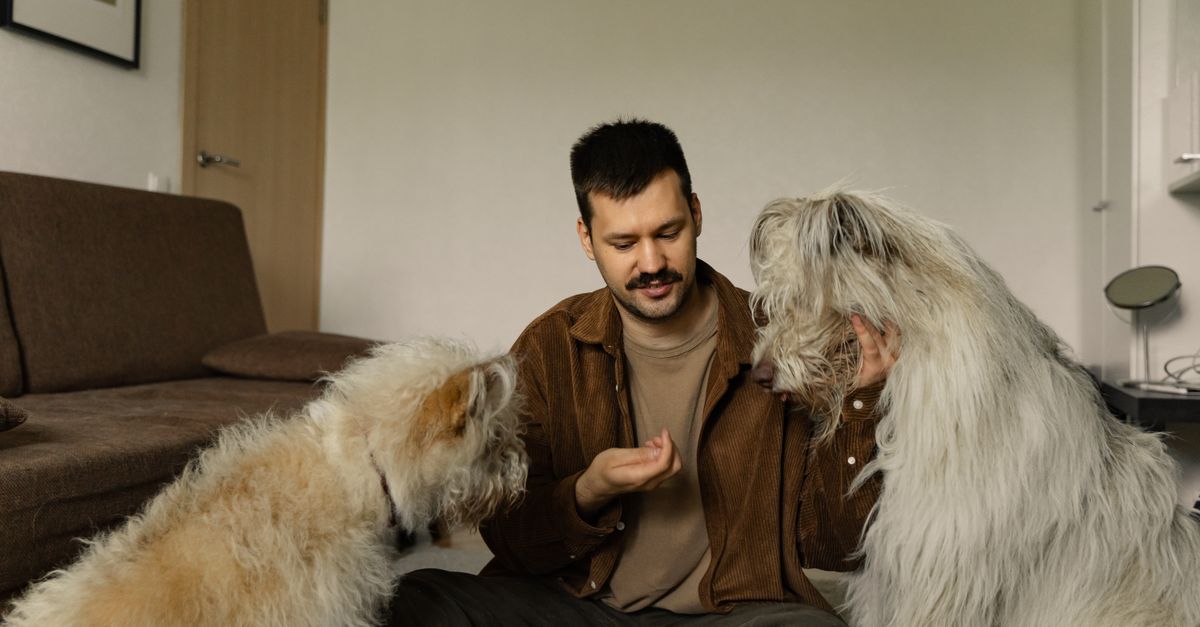
Jealousy in dogs is a behaviour that looks familiar: the dog wedges itself between you and another dog, nudges, barks, or demands attention when you give it to someone else. Research suggests dogs show jealousy-like responses, but more often the driver is competition for attention, resource guarding, or frustration rather than a human emotion. The key is not rewarding the pushy behaviour, teaching the dog to settle, and meeting its needs. When growling or aggression is involved, it's worth consulting a behaviourist.
You pet one dog and the other instantly shoves its head under your hand. You hug your partner and the dog jumps between you with a look that leaves no doubt. Jealousy in dogs is one of those behaviours owners recognise instantly - but one that's easy to misread. Let's look at what's really behind it and how to handle it.
Can a dog be jealous?
This question has divided specialists for years. Research into dog behaviour suggests that when an owner shows affection to someone else - especially another dog - a jealousy-like response appears: the dog tries to wedge between the owner and the rival, pushes in, and demands attention.
That doesn't mean the dog experiences exactly what a human does. Far more often, what we call jealousy is in practice:
- competition for attention - to your dog, your attention is a valuable resource,
- resource guarding - the dog treats you as something to defend from others,
- frustration - the dog wants access to you and can't get it,
- a learned pattern - pushing in worked once, so it gets repeated.
The "jealous" label can mislead, because it implies intent. It's more useful to look at the specific behaviour and what triggers it.
How to recognise jealousy in dogs
Jealous behaviour has a fairly recognisable repertoire. Here are the most common signals and what they may mean:
| Behaviour | What it may mean |
|---|---|
| Wedging between owner and another person or dog | Trying to regain attention or access |
| Head-butting, pawing | Demanding contact right now |
| Barking or whining when another dog is petted | Frustration at being shut out |
| Climbing onto a lap someone else is using | Competing for space and closeness |
| Growling when someone approaches the owner | Guarding a resource (you) - a warning signal |
| Sudden "tricks" and attention-seeking | A learned strategy for winning attention |
It helps to read these signals alongside general dog body language - a tense, stiff posture means something very different from a relaxed request for a fuss.
Jealous of another dog, a partner, and a baby
Of another dog - the most common situation, especially when a new dog joins the home. The first dog may guard its owner like a resource. The key is calm, gradual introductions and a fair split of attention. For more on setting up that kind of household, see our guide to getting a second dog.
Of a partner - a dog used to one person's undivided attention may respond to a new member of the household by pushing in or climbing between you. The answer isn't shoving the dog away, but building the association: the partner's presence equals good things for the dog.
Of a baby - this one needs to be taken especially seriously, because safety is involved. The dog shouldn't be competing with a child for attention. Build positive associations, never leave the dog and a young child unsupervised, and get professional help at any sign of tension.
What to do about jealousy in dogs
The basic rule is: reward calm, not pushiness. If the dog gets attention precisely when it shoves or barks, it learns that the strategy works.
What helps in practice:
- Reward calm waiting - a dog lying quietly on its bed gets praise and a treat, while pushy demands are ignored.
- Teach a "place" or "settle" cue - a dog that can go and lie down has an alternative to shoving in.
- Build positive associations - let the rival's presence (a dog, partner, or baby) predict good things for the dog.
- Meet its needs - a dog full of exercise and attention competes less. A bored, under-stimulated dog is more likely to fight for your attention.
- Don't punish growling - it's a warning signal, not the problem itself. Punishing it suppresses the warning without removing the tension.
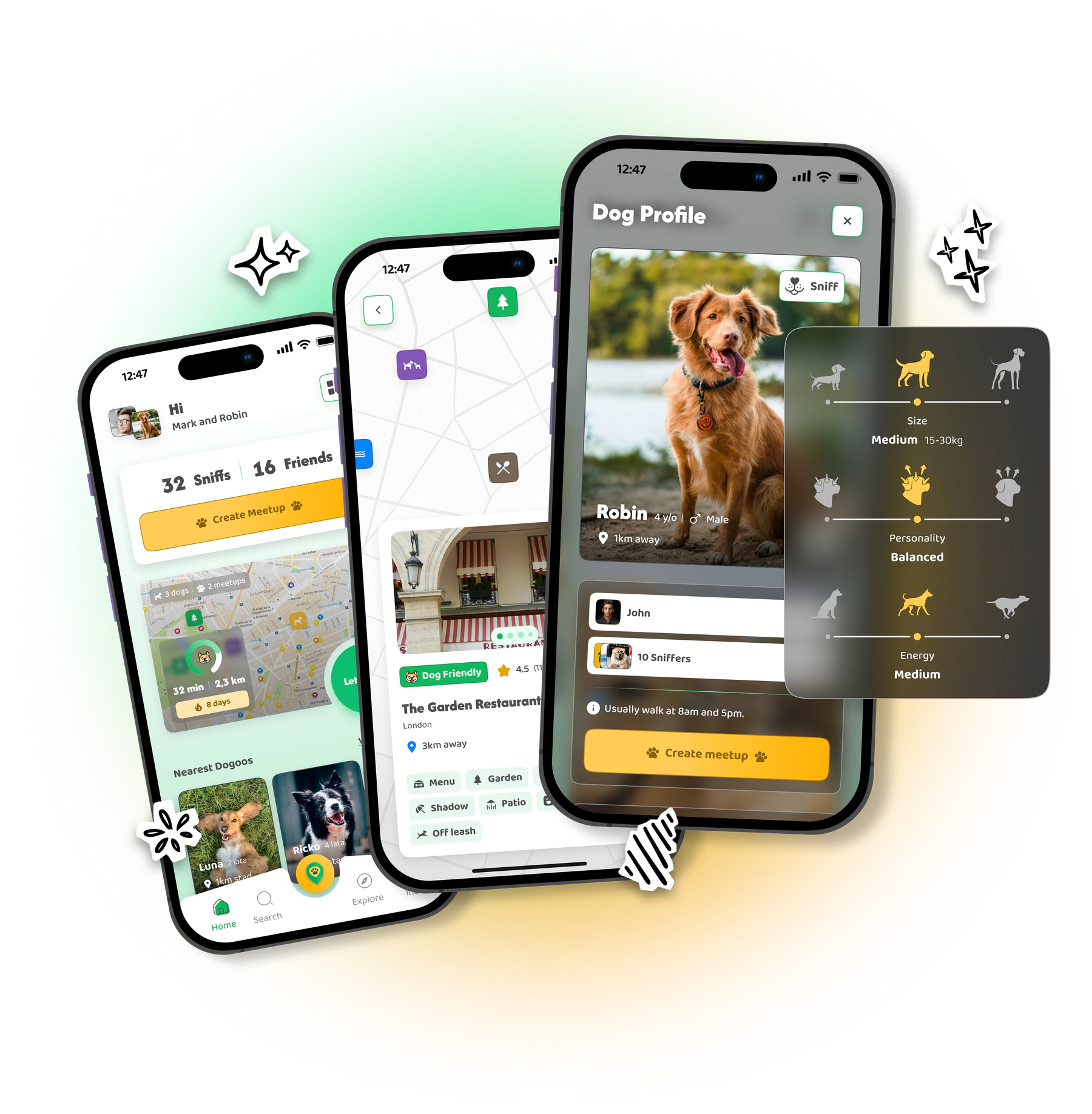
Regular, good walks and contact with other dogs help too - a dog that's satisfied socially and physically is calmer at home. The DogOut app shows spots and dogs for shared outings nearby.
When to bring in a behaviourist
Most mild cases of jealousy can be resolved on your own through calm, consistent work. But there are situations where it's worth getting support from a certified behaviourist:
- when the dog growls, snaps, or bites while competing over its owner,
- when the tension involves a child or an elderly person,
- when the behaviour escalates despite your efforts,
- when there are conflicts between dogs in the household.
A specialist will assess whether the "jealousy" is really resource guarding, fear, or frustration, and build a plan tailored to the specific situation. The earlier you act, the easier it is to change the pattern before it sets in.
Preventing jealousy before it starts
The easiest behaviour to work with is the one that hasn't developed yet. A few simple habits reduce the chance that competition for attention takes hold at all:
- Teach calm waiting from the start - a dog that knows the reward comes for patience reaches for shoving far less often.
- Introduce changes gradually - a new dog, partner, or baby is a big change. Do it calmly, without throwing the dog in at the deep end.
- Keep a predictable routine - set times for walks, meals, and shared time give a dog a sense of security and reduce the urge to fight for attention.
- Don't single anyone out - each dog in the home should have its own time, space, and resources, without having to compete for them.
Jealousy, or rather the competition for attention and resources behind it, is a solvable problem. Calm consistency, rewarding the right behaviours, and meeting your dog's needs do more than any last-minute intervention. And if the situation is beyond you, bringing in a specialist is a mature decision, not a failure.
Frequently asked questions
- Can a dog really be jealous?
- Dogs show behaviours that look like jealousy from the outside - wedging between an owner and a rival, nudging, demanding attention. Research suggests it's a reaction to someone else getting something the dog wants. Whether it's exactly the same emotion as human jealousy is hard to settle, but the behaviour itself is real and worth addressing.
- Why is my dog jealous of another dog?
- Usually it comes down to attention and resources. When you pet one dog, the other may read it as losing something important and try to win your attention back. It can also be resource guarding - the dog treats its owner as a valuable resource to defend from the other dog.
- What do I do when my dog is jealous of my partner or baby?
- Don't push the dog away or punish it - that only raises the tension. Teach the dog that the partner or baby's presence means good things: calm, treats, shared routines. Build positive associations gradually and make sure the dog still gets its own time and a predictable routine.
- How do I avoid rewarding jealous behaviour?
- Give your dog attention when it's calm, not when it's shoving or barking. If the dog pushes between you and someone and immediately gets petted, it learns that the strategy works. Reward settling on its bed and waiting patiently, and ignore the pushy demands.
- Can jealousy in dogs turn into aggression?
- Yes. If resource guarding is at the root, the behaviour can escalate to growling, snapping, or biting. That's a signal not to go it alone but to get help from a certified behaviourist before the pattern sets in.
- How do I prevent jealousy between dogs at home?
- Keep attention fair and predictable, feed the dogs separately, avoid situations where they have to compete for resources, and teach each dog to wait calmly for its turn. A good routine and clear rules reduce rivalry better than pulling the dogs apart in the moment.