Kennel Cough in Dogs - Symptoms, Causes and Treatment
Kennel cough in dogs is a highly contagious respiratory infection, most often caused by the bacterium Bordetella bronchiseptica or viruses like parainfluenza and adenovirus. The hallmark sign is a dry, harsh cough - often described as a goose-honk - that gets worse after exercise or pressure on the neck. In most healthy adult dogs it clears up on its own within 1-3 weeks with rest. See a vet right away if the cough comes with fever, lethargy, loss of appetite, breathing difficulty, or if it affects a puppy, a senior dog, or a dog with an existing health condition.
A sudden, harsh cough - often showing up a day or two after a stay at a boarding kennel, a dog show, or a meetup with a larger group of dogs - is the most common sign that your dog has picked up kennel cough. It's one of the most widespread contagious illnesses in dogs, but in most cases it's mild and clears up on its own. Here's how to spot the symptoms, when it's actually serious, and what treatment looks like.
What is kennel cough in dogs?
Kennel cough - medically called infectious tracheobronchitis - is a contagious upper respiratory infection in dogs. It's most often caused by the bacterium Bordetella bronchiseptica, frequently alongside viruses such as canine parainfluenza or canine adenovirus type 2. Together they irritate and inflame the trachea and bronchi.
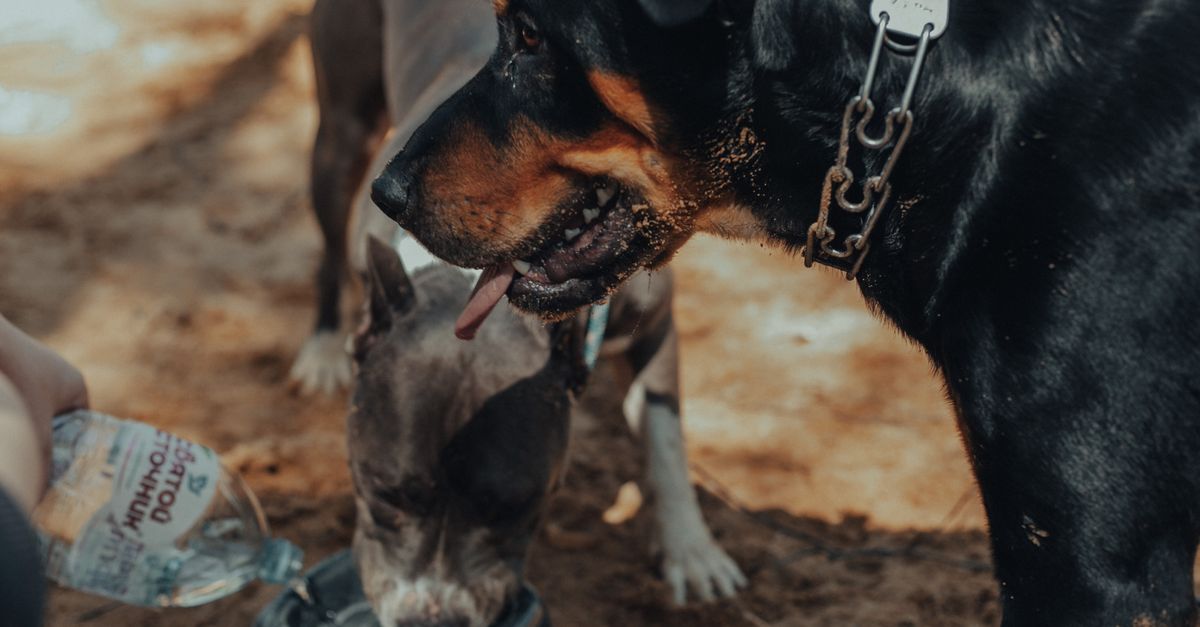
The name comes from how fast the illness spreads wherever dogs are in close contact - kennels, boarding facilities, doggy daycare, dog parks, or shows. A single encounter with an infected dog, a shared water bowl, or even airborne droplets is enough to pass it along.
What are the symptoms of kennel cough?
The standout symptom is a dry, harsh, forceful cough - many owners describe it as sounding like a goose honking, or like something is stuck in the dog's throat. Here's a quick rundown of the most common signs:
| Symptom | Description |
|---|---|
| Dry, forceful cough | Sharp, loud, often compared to a honking goose |
| Worsens with activity | Cough appears or intensifies after play, running, or excitement |
| Reacts to pressure | Gentle pressure on the collar near the trachea triggers coughing |
| Gagging or retching | Dog acts like it's trying to clear its throat |
| Foamy discharge | A small amount of foamy saliva may follow a coughing fit |
| Sneezing, watery nose | Can occur alongside, especially when a virus is involved |
| Otherwise normal behavior | Most dogs eat, drink and stay active between coughing episodes |
A useful signal: if the dog looks and acts normal apart from the cough, that usually points to a mild case. If lethargy, loss of appetite, fever, or breathing trouble show up too, don't wait to call your vet.
How long does kennel cough last, and how does it progress?
In a healthy adult dog, a mild case typically lasts 1 to 3 weeks. The cough itself can be stubborn and may linger for several weeks even after the dog is back to full energy - irritated airways simply take time to heal, much like a lingering cough after a human cold.
Symptoms usually appear 2 to 10 days after exposure to an infected dog or environment - the incubation period. That's why the cough often "shows up" a few days after a boarding stay or a group outing, once the owner has already forgotten about the earlier contact with other dogs.
When should you see a vet?
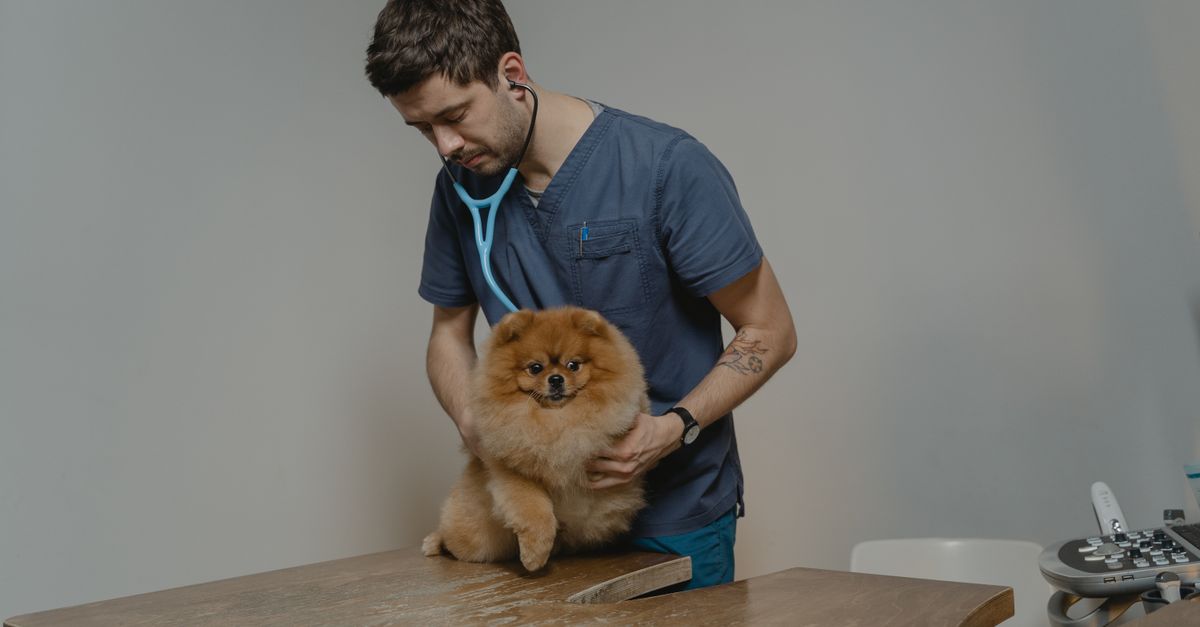
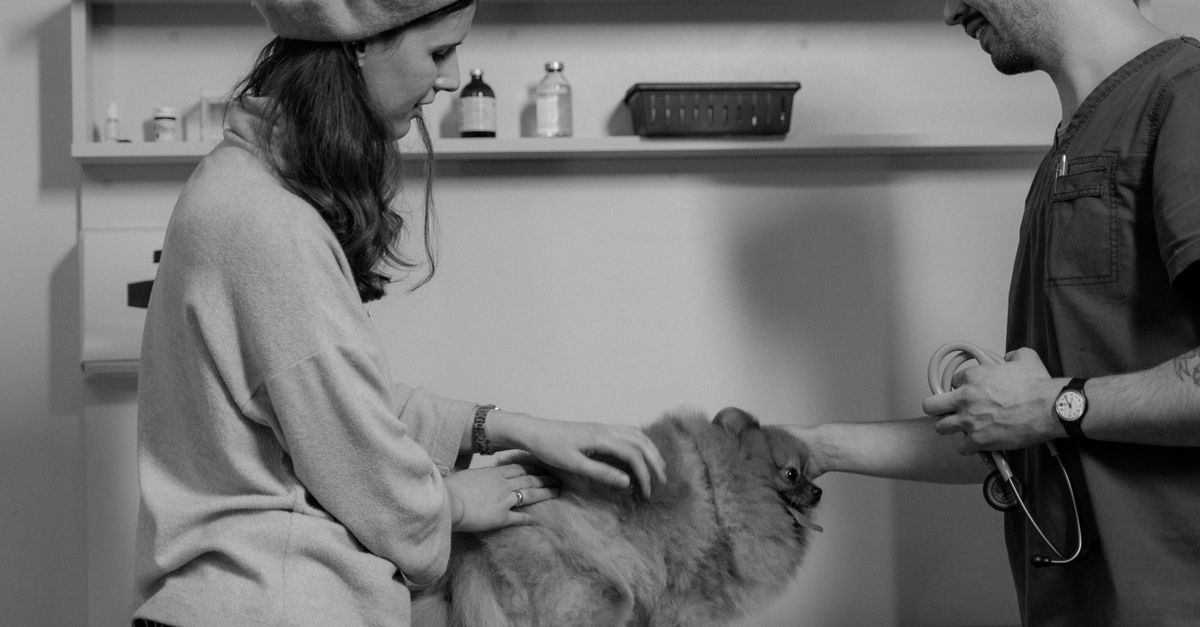
Most cases in healthy adult dogs can be safely managed at home, but a few situations call for a vet visit:
- Fever, lethargy, or loss of appetite alongside the cough
- Labored breathing, wheezing, or bluish gums
- A cough lasting longer than 3 weeks, or clearly getting worse
- Puppies - immature immune systems
- Senior dogs, or dogs with heart disease, lung disease, or other chronic conditions
- Brachycephalic breeds (pugs, French and English bulldogs, shih tzus) - naturally more prone to respiratory complications
In these groups, the risk of the cough developing into pneumonia is higher, so it's better to check in with a vet early rather than wait, even if the cough seems mild at first.
How is kennel cough treated?
Treatment depends on how severe the case is:
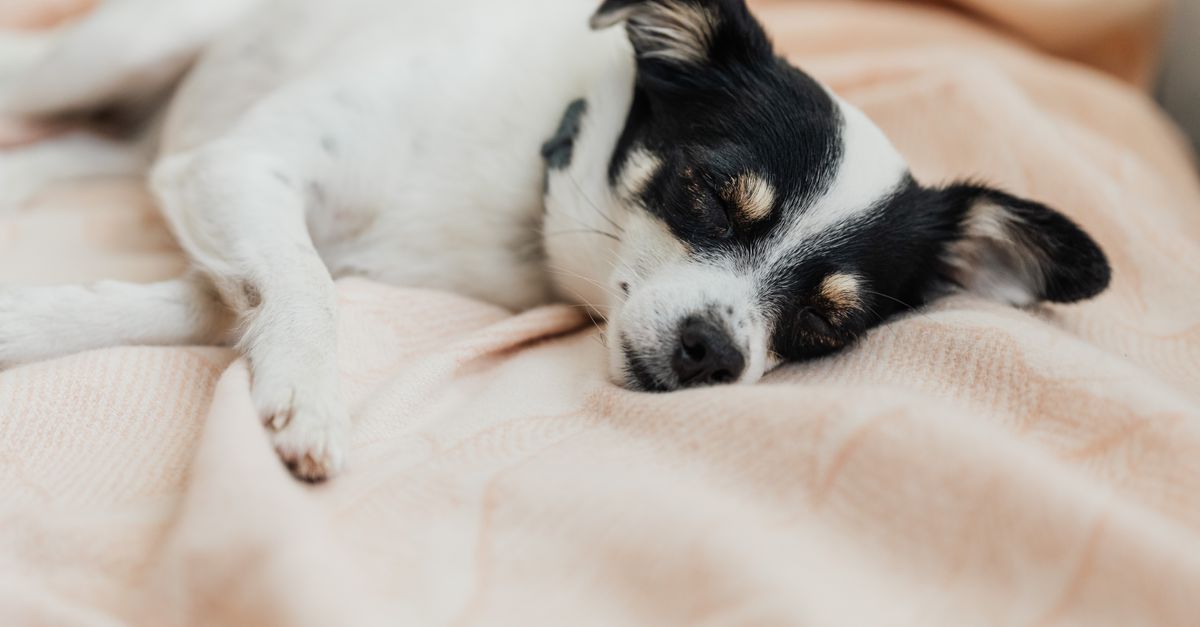
Mild cases - the priority is rest, limiting exercise and excitement (calmer walks, less rough play), and switching from a collar to a harness so nothing puts extra pressure on the trachea. Keeping your dog well hydrated matters too - our guide on dog dehydration covers how to recognize and prevent it.
More severe cases - a vet may prescribe an antibiotic if Bordetella is suspected to be a significant factor, and in some cases a cough suppressant or anti-inflammatory to ease airway irritation and help the dog rest.
Never give your dog human cough medicine without clear guidance from a vet - many common over-the-counter ingredients are unsafe for dogs. If you're ever unsure about dosing or which medication is appropriate, check with your vet before giving anything.
If you want to have the basics on hand before illness strikes, take a look at our guide on building a dog first-aid kit - better to put it together ahead of time than scramble mid-illness.
Can kennel cough be prevented?
There's no guaranteed protection, since several different pathogens can cause it, but the risk can be cut down significantly:
- Bordetella vaccination - available as a standalone vaccine, often required before boarding, daycare, or certain shows. See the full recommended schedule in our dog vaccination guide.
- Avoid contact with coughing dogs - if you spot a dog with an obvious cough on a walk or at a meetup, keep your distance.
- Isolate a sick dog - if your dog is coughing, keep it away from other dogs for the period your vet recommends, typically 1-2 weeks after symptoms clear.
- Support overall immunity - good nutrition, regular exercise, and avoiding chronic stress all help a dog's immune system stay resilient day to day.
Bottom line
Kennel cough sounds alarming, but in a healthy adult dog it usually just means a few days of rest, extra water, and patience - not a crisis. Watch your dog closely: if it seems otherwise fine aside from the cough, it will most likely bounce back on its own. If anything looks off - fever, lethargy, breathing trouble - don't delay a vet visit. When in doubt about your dog's condition, it's always best to check with a professional rather than guess.
And once your dog is back to full strength and ready to run around again, check the DOGOUT map for trusted spots nearby marked by other owners, and people happy to meet up for a walk. Getting back into a walking routine after an illness is a good moment to meet someone new in the neighborhood instead of circling the same block alone.
Frequently asked questions
- What is kennel cough in dogs?
- Kennel cough - medically known as infectious tracheobronchitis - is a highly contagious respiratory illness in dogs, most commonly caused by the bacterium Bordetella bronchiseptica, often alongside viruses such as canine parainfluenza or adenovirus type 2. It gets its name because it spreads rapidly wherever dogs are in close contact - kennels, boarding facilities, doggy daycare, or dog shows.
- How do I recognize kennel cough in my dog?
- The most telling sign is a dry, harsh, forceful cough often compared to a goose honking. It worsens after exercise, excitement, or pressure on the collar near the trachea. Some dogs also gag or retch as if something is stuck in their throat, sometimes bringing up a small amount of foamy saliva after a coughing fit. Most dogs otherwise feel fine between episodes - eating, drinking and staying active.
- How long does kennel cough last in dogs?
- In a healthy adult dog, a mild case usually resolves on its own within 1 to 3 weeks with rest. The cough itself can linger for several weeks even after other symptoms fade, since irritated airways need time to heal. If the cough persists beyond three weeks or gets worse, it's time to see a vet.
- Is kennel cough dangerous for dogs?
- For most healthy, vaccinated adult dogs the course is mild. The risk of complications - including pneumonia - is higher in puppies, senior dogs, brachycephalic breeds (pugs, bulldogs, French bulldogs) and dogs with existing heart or respiratory conditions. In those groups, any cough combined with fever or breathing trouble needs prompt veterinary attention.
- How is kennel cough in dogs treated?
- Mild cases mainly need rest, isolation from other dogs, switching from a collar to a harness to avoid pressure on the trachea, and making sure the dog stays well hydrated. A vet may prescribe an antibiotic if Bordetella is suspected, and cough suppressants or anti-inflammatories in more severe cases. Never give a dog human cough medicine without veterinary guidance - some common ingredients are toxic to dogs.
- Is kennel cough contagious to other dogs?
- Yes, it's one of the most contagious respiratory illnesses in dogs, spreading through airborne droplets as well as shared bowls, toys, and surfaces. A dog with suspected kennel cough should be kept away from other dogs for at least 1-2 weeks after symptoms clear, as advised by your vet.