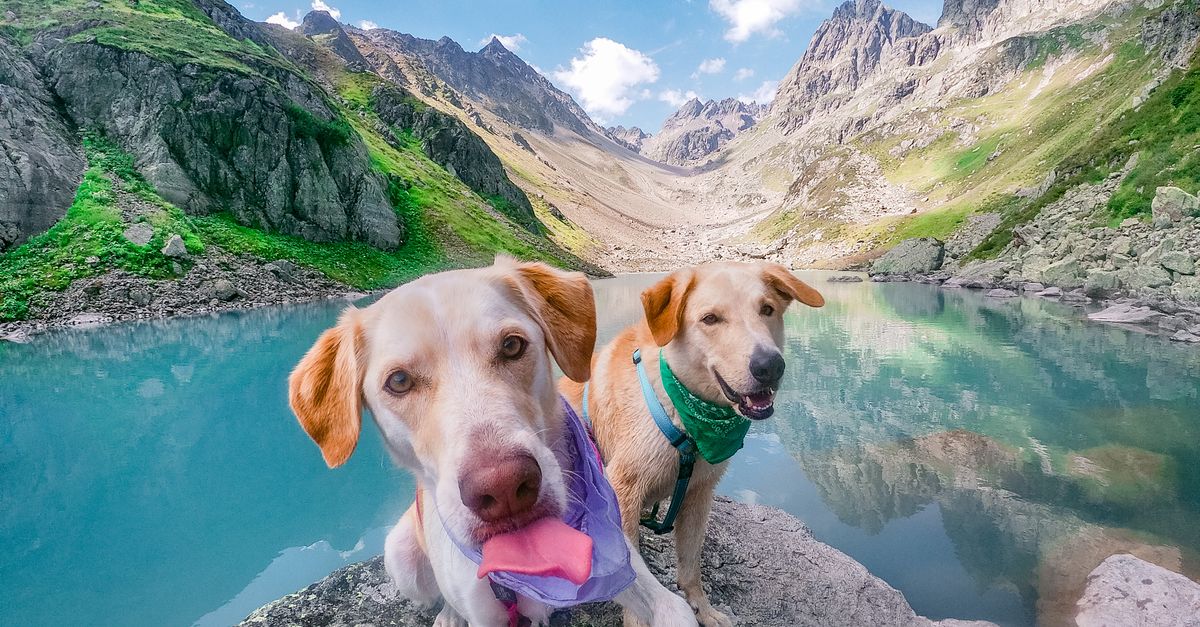
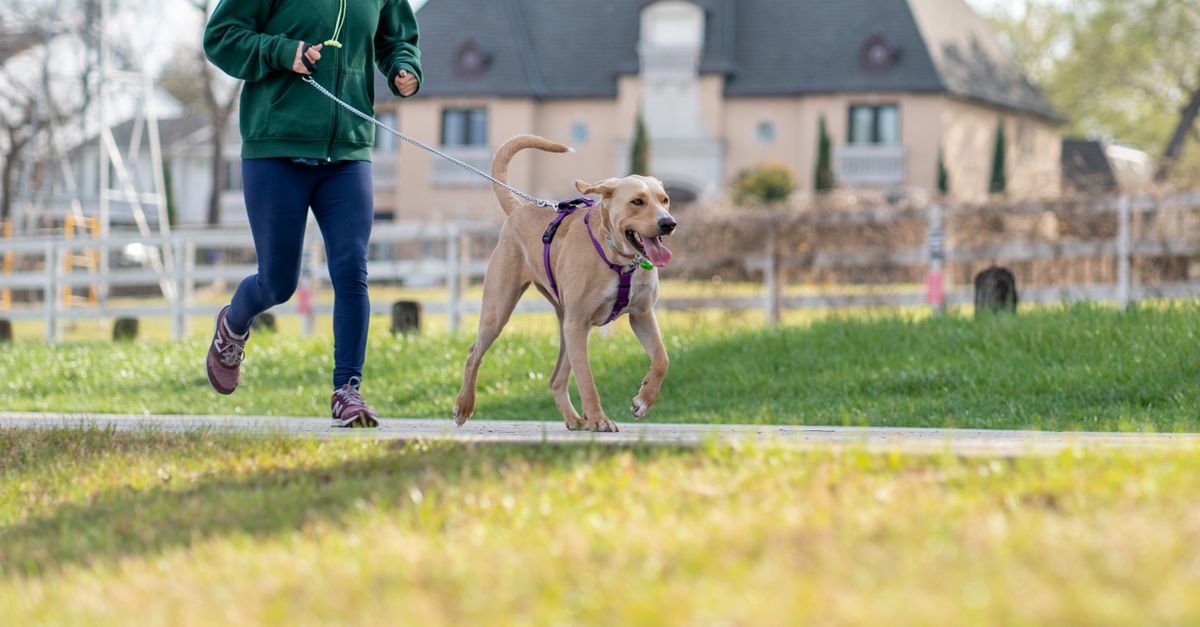
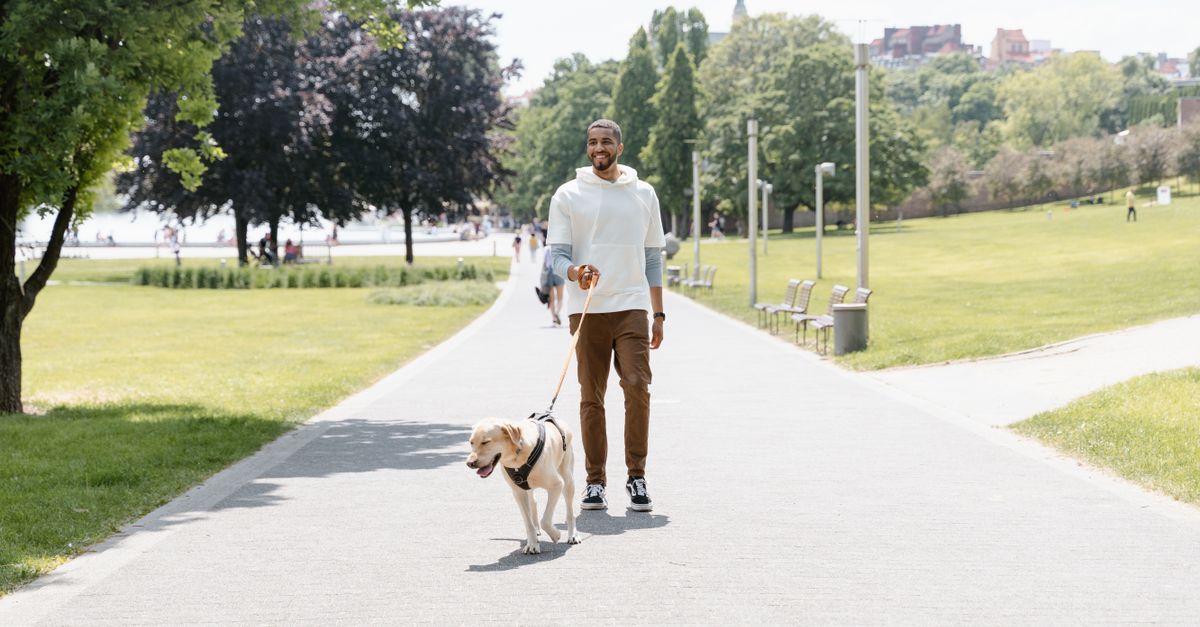
Mountain Trails With Your Dog - What's Allowed, What to Pack, and How to Stay Safe
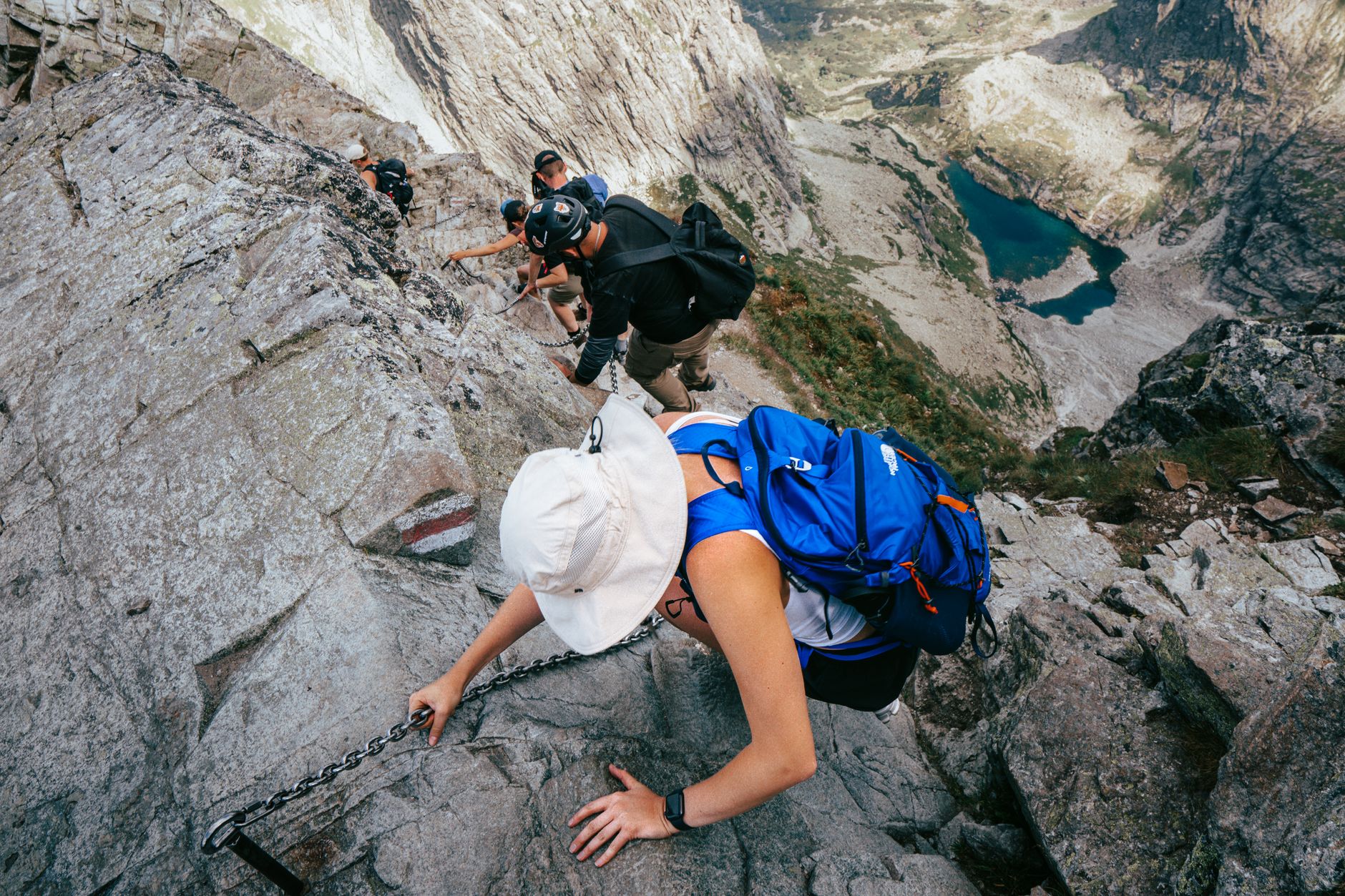
In Poland, hiking with a dog depends on the type of protected area. Most national parks - including Tatra National Park - ban dogs outright or allow them only on specific trails and always on a lead. Landscape parks and areas outside protected zones generally allow dogs on a lead. Check the current rules for each park before you go - they can change and are enforced.
A dog on a mountain trail is a different animal from the one that pulls you round the block every morning. Focused, genuinely tired, nose working overtime. A mountain hike is one of the best experiences you can give many dogs. But before you load the car with a dog and a pack, there's one critical question to answer: are you actually allowed to go where you're planning?
National parks - generally off-limits
This is not a point to guess at. In Poland's national parks, dogs are as a rule banned or allowed only on specific trails and always on a lead. The reason is wildlife protection - a dog's scent alone is enough to disturb nesting birds and large mammals; an undisciplined dog can cause real ecological damage.
Tatra National Park is the best-known example: the ban on dogs is the default rule, and rangers enforce it. Similar restrictions apply in Bieszczady NP, Babiogóra NP and others.
Always check the current regulations on the park's official website before you travel - rules are updated periodically, and a fine for breaking them is real.
Landscape parks and unprotected areas - more options
Outside national parks the picture improves considerably. Many trails in Poland run through areas where dogs are welcome on a lead. This includes:
- The Beskidy range - extensive, well-marked trails across multiple landscape parks; many allow dogs on a lead.
- The Sudetes - Karkonosze has its own national park with restrictions, but the surrounding landscape parks offer dog-friendly routes.
- The Świętokrzyskie Mountains - some trails accessible; check Świętokrzyski NP regulations for core protected areas.
- The Pieniny, Gorce and Foothills - landscape parks with trail networks; generally accessible for dogs on a lead.
Each landscape park has its own bylaws - look for them on the park management authority's website or on information boards at trailheads.
Matching the trail to your dog
Not every trail suits every dog. Before you set off, consider:
| Factor | What to assess |
|---|---|
| Age | Puppies up to 12-18 months have developing joints - avoid steep climbs and very long routes |
| Breed | Brachycephalic dogs (pug, bulldog) struggle with exertion and heat; herding and working breeds typically excel |
| Fitness | A dog that's been sedentary all week won't suddenly run 20 km - build up gradually |
| Temperature | Above 25°C, a long climb risks overheating - head out early morning or in the late afternoon |
| Terrain | Rocky and stony paths wear paws down fast - consider boots or paw balm |
What to pack - hiking with a dog checklist
Absolute minimum:
- Water and a collapsible travel bowl - at least 0.5 litres per hour of hiking for an average-sized dog in mild conditions.
- Lead (1.5-2 m) and collar with your contact details or a chip.
- Waste bags - on the trail too.
For longer routes:
- Food if the trip runs more than 4 hours.
- First-aid kit: antiseptic, bandage, tick remover (forests = ticks through most of the year).
- Paw protectors or paw balm for rocky terrain.
- A thermal blanket - in case of injury or unexpected cold.
Safety on the trail
Ticks. In Polish forests and meadows, ticks are active from early spring through late autumn. Check your dog and yourself thoroughly after every hike. Ask your vet about preventive treatments (spot-on, collar).
Wildlife. A dog on a lead is safer - it won't chase a bear or wolf and won't startle a moose into a defensive kick. In the Bieszczady and eastern Beskidy, large predators are a genuine presence, not a theoretical one.
Sudden weather changes. Mountain weather shifts fast. A thunderstorm caught on an exposed ridge is dangerous for you and your dog. Check the forecast, set out early, and build in a comfortable time margin for turning back.
Paws and muscles. After a long rocky route, check your dog's pads - cuts and abrasions are more common than you'd expect. Your dog won't tell you something hurts.
Find dog-friendly trails with help from the pack
Knowing exactly where to take your dog in a given mountain range can be surprisingly hard to pin down - official regulations are sometimes vague, and trailhead signs don't always spell it out. The fastest way to find out is from someone who's already been there with a dog.
In DOGOUT you can browse routes and places marked by other dog owners, see which trails someone hiked recently with their dog, and join group outings. The map helps you find verified spots - no guessing, no unpleasant surprises at the park gate.
Go higher. Your dog has earned the view.
Frequently asked questions
- Can I take my dog into Tatra National Park?
- As a general rule, dogs are not permitted on trails in Tatra National Park. The ban exists to protect wildlife. Check the current regulations on the TPN website before visiting - the rules are strictly enforced.
- Where in Polish mountains can I hike with a dog?
- Many trails in landscape parks - the Beskidy, Sudetes, Świętokrzyskie Mountains - are accessible to dogs on a lead. Check the specific park's regulations before setting out.
- How long a trail can I do with my dog?
- It depends on the dog's age, breed and fitness. A healthy adult dog can cover 15-20 km in a day, but puppies, senior dogs and short-legged breeds need much shorter routes. Watch your dog and take breaks.
- What should I pack for a hike with my dog?
- Water and a collapsible bowl (essential), a lead and collar with your contact details, a basic first-aid kit (antiseptic, bandage, tick remover), food for longer hikes, and paw protectors or paw balm for rocky terrain.
- Does my dog need to be on a lead on a mountain trail?
- Yes, in national and landscape parks this is typically required and enforced. On general public land, a lead is legally required in most situations. An off-lead dog on a trail can startle wildlife and be at risk of a defensive attack.