How to Teach a Dog to Fetch - Shaping From Interest to Drop
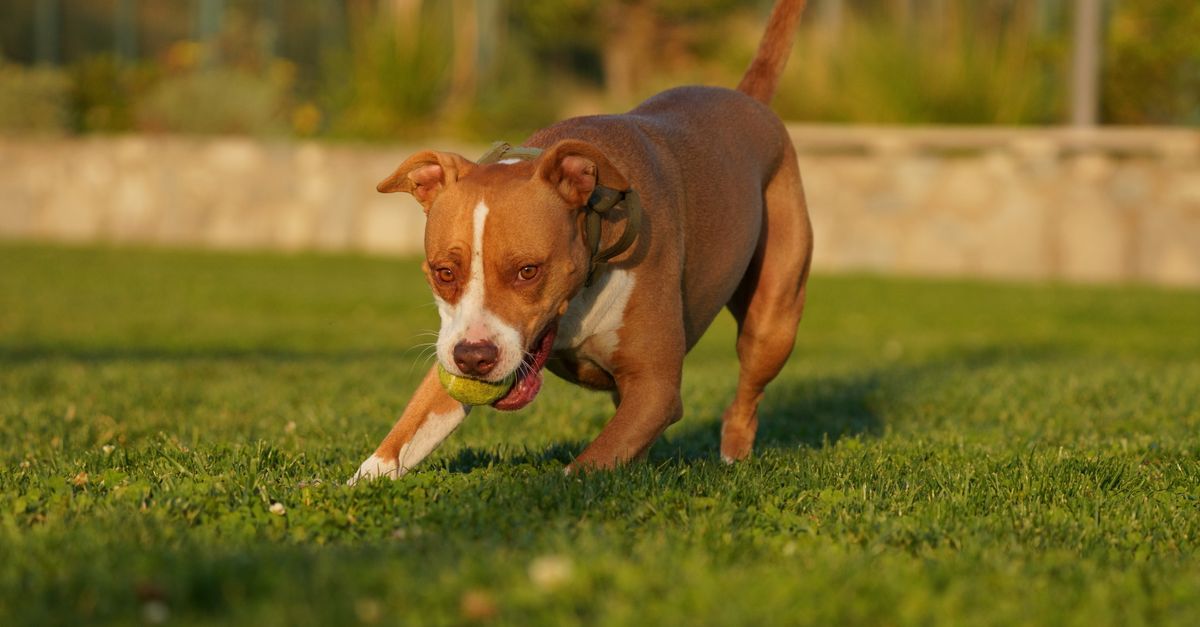
Teach fetch by shaping: start by rewarding interest in the object, then picking it up, then carrying it toward you, and finally dropping it on cue. Build each stage separately before combining them. Fetch is excellent mental and physical exercise and strengthens the bond between dog and owner.
Fetch is one of the most satisfying exercises - for the dog and for you. Healthy physical tiredness, mental focus, a stronger bond. And as a bonus: a dog with a solid retrieve is a dog that chooses to come back to you instead of running off with the prize.
Why Teach Your Dog to Fetch?
Beyond the obvious fun of the game, fetch:
- Gives the dog intense exercise in a short time - a good 10-minute fetch session provides real physical tiredness comparable to a much longer walk
- Reinforces recall - a dog that retrieves learns that coming back to you is rewarding
- Builds self-control - waiting before the throw, dropping on cue
- Is a great walk enrichment and outlet for high-energy dogs
Pair it with recall training - together they create a set of skills that make off-lead walks safe and enjoyable.
What Is Shaping?
Shaping is a training method that rewards progressively closer approximations of the target behaviour. You do not show the dog the finished result and expect them to copy it - instead you reward every step in the right direction until the full behaviour is assembled.
For fetch, the steps look like this:
- Interest in the object
- Touching the object with nose or mouth
- Picking it up
- Holding it briefly
- Carrying it a few steps toward you
- Bringing it to hand
- Dropping it on cue
Key rule: each stage must be solid and consistent before you move to the next.
How to Teach a Dog to Fetch - Step by Step
Step 1. Build Interest in the Object
Choose one object - a tennis ball, a firm toy, a purpose-made retrieving dummy. Play with it in a way that makes the dog want it: roll it, hide it behind your back, make quick movements. Do not hand it over immediately - let the dog want it first. When the dog approaches or sniffs it - reward immediately. At this stage you are rewarding interest alone.
Step 2. Teach Picking Up
Once the dog readily approaches the object, start rewarding mouth contact. Hold the object and reward every time the dog grabs it. Gradually extend the hold time (1 second, 2 seconds) before rewarding. Add the word "fetch" or "get it" once the dog is picking it up consistently.
Step 3. Introduce Movement - Dog Brings It to You
Once the dog picks up the object confidently, step back slightly when they take it - encourage the dog to move toward you with it in their mouth. Reward every movement toward you while holding the object. Gradually increase the distance: throw the object a few steps, encourage the dog to bring it back.
Use enthusiastic voice and body language - most dogs are happy to run back to an owner who animates them.
Step 4. Teach the "Drop It" Cue
This is the critical element of fetch that many owners skip. Teach drop it as a separate exercise before combining it with retrieve:
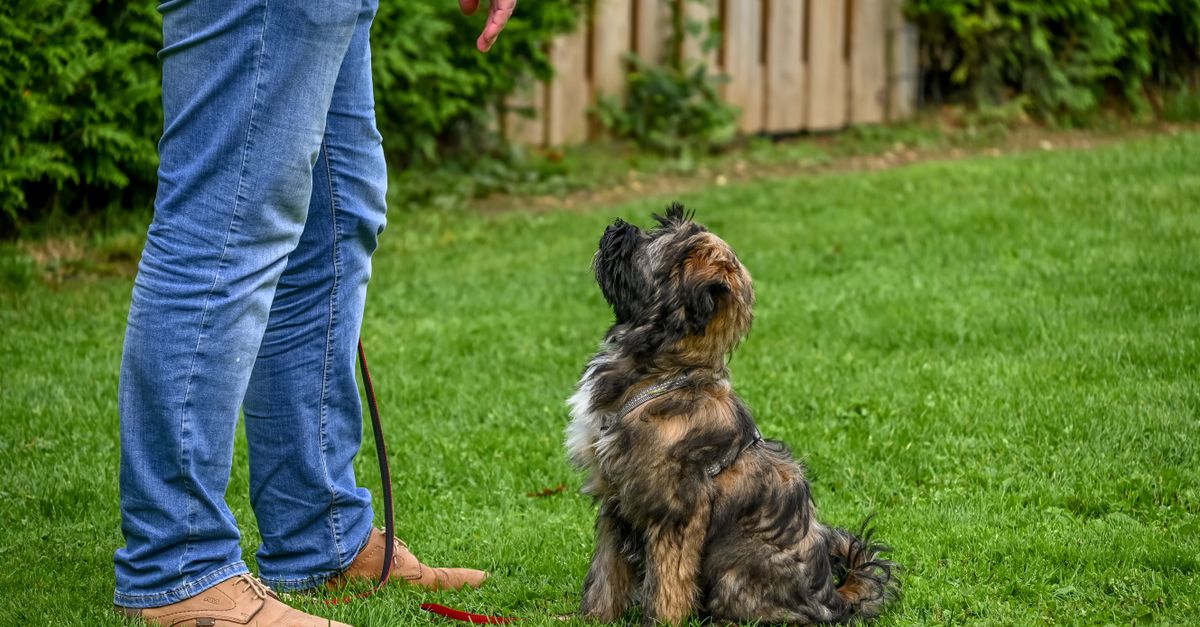
While the dog is holding the object, put a high-value treat right at their nose. When they open their mouth to take the treat - the object will fall. Say "drop it" at the moment of the jaw opening. Reward. Repeat until the dog loosens their grip on the word "drop it" alone.
Step 5. Put the Full Fetch Together
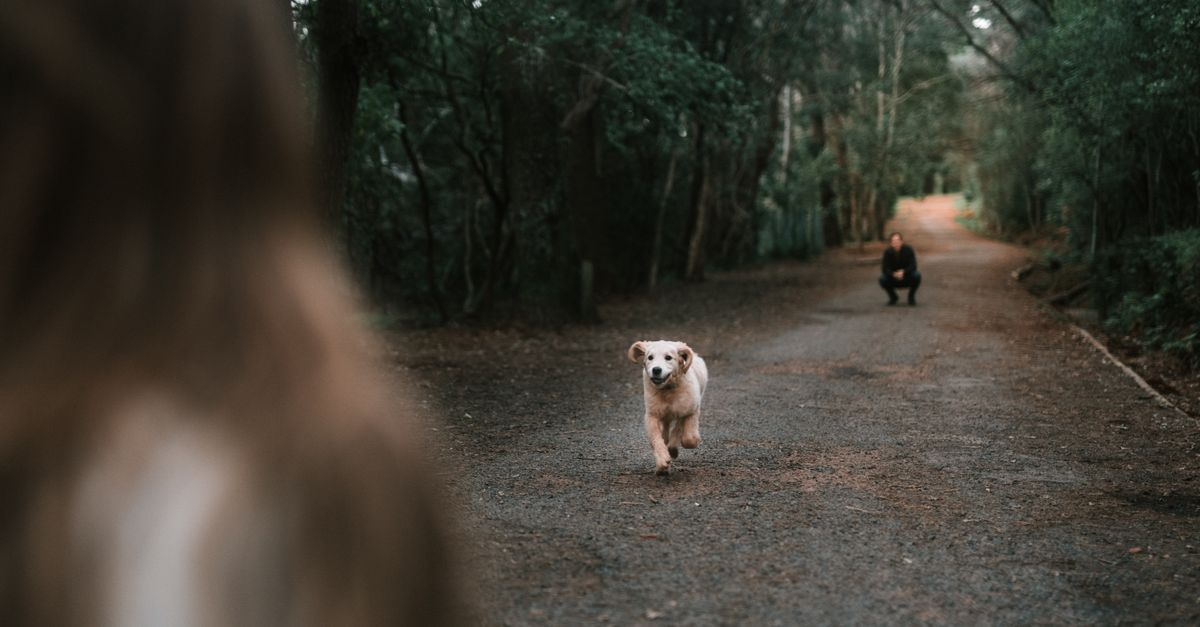
When each component works individually (get it - carries - drop it), combine them: throw the object, say "fetch" or "get it", as the dog runs toward it encourage the return, when they bring it - say "drop it" and reward generously. The whole cycle ends with joy, a treat, or another throw.
Step 6. Vary the Game
Once fetch is working reliably, add variety:
- Different objects and different distances
- Fetch from a hiding spot (throw it behind a bush)
- Water fetch (if the dog enjoys it)
- Two-toy alternation - dog brings one back while the second is thrown
Check out how to make dog walks better - fetch is one of many ways to turn any outing into real enrichment.
Common Fetch Problems and Solutions
| Problem | Cause | Solution |
|---|---|---|
| Dog won't bring the object back | Learned that owner chases | Do not chase, turn away, show a second toy |
| Dog won't drop the object | Dropping is associated with losing the fun | Teach drop it separately, always reward releasing |
| Dog drops the object too early | Holding not reinforced enough | Shape the hold, reward for longer carries |
| Dog only fetches from close range | Distance increased too fast | Go back to short distances and build up slowly |
| Obsessive fetching (cannot stop) | Sessions too long, too much arousal | Shorten sessions, introduce a clear end-of-game signal |
Leave It and Fetch - a Natural Pair
The leave it command pairs beautifully with fetch - when a dog picks up something dangerous, "leave it" or "drop it" is a fast fix. Train both commands so your dog understands both retrieving and releasing on cue.
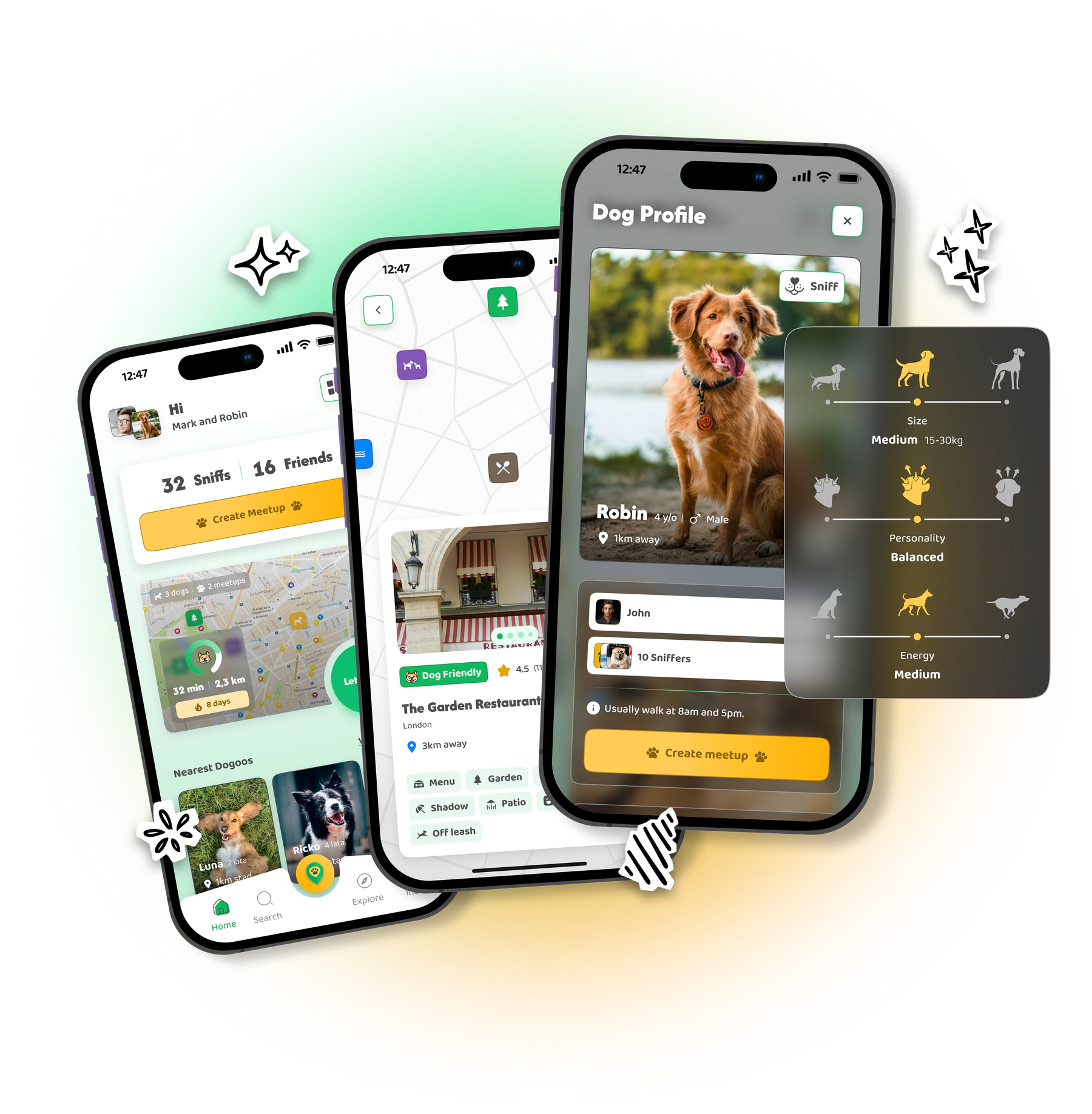
A dog that fetches with enthusiasm is a dog that has a reason to stay close on every walk. And you have another tool to make every outing worth remembering. Look for open spaces near you on the DOGOUT map - fields, off-leash areas, parks - where you can run fetch sessions without limits.
Frequently asked questions
- Can every dog learn to fetch?
- Most dogs can - though not all have a natural retrieval instinct. Gun dogs such as Labradors, Golden Retrievers, and Spaniels often retrieve instinctively. Dogs with a lower grab drive can be taught through shaping, but it takes more patience and time.
- My dog brings the ball back but won't drop it - what do I do?
- This is the most common fetch problem. Teach the drop it cue separately (without fetch) before combining the two. Always reward releasing the item and never snatch it by force - that teaches the dog that dropping means losing the fun, and next time they will run away with it.
- My dog chases the ball but won't come back - what should I do?
- The dog has probably learned that the game is you running after them. Try not chasing at all - turn away, crouch down, show a second toy. Many dogs come back when the owner loses interest. You can also practise on a long line to help physically guide the return.
- How long should a fetch session be?
- 5-10 throws is a good session for most dogs - stop while the dog is still eager, not when they are exhausted. Sessions that are too long can create obsessive ball fixation. Several short sessions a day beats one long one.
- What age can you start teaching fetch?
- Puppies can be encouraged to play retrieval games from 8-10 weeks, but keep sessions playful and short with no pressure. Proper fetch training with a required retrieve and drop is better started around 4-5 months when concentration improves.
- My dog fetches a ball but ignores everything else - is that normal?
- Yes, this is common. A dog that fetches one object does not automatically generalise to others. You can introduce new items gradually - start with something similar (a different ball), then something different (a stick, a toy). Each new object is a fresh shaping exercise.