How to Teach a Dog to Shake Paw - An Easy Trick Step by Step
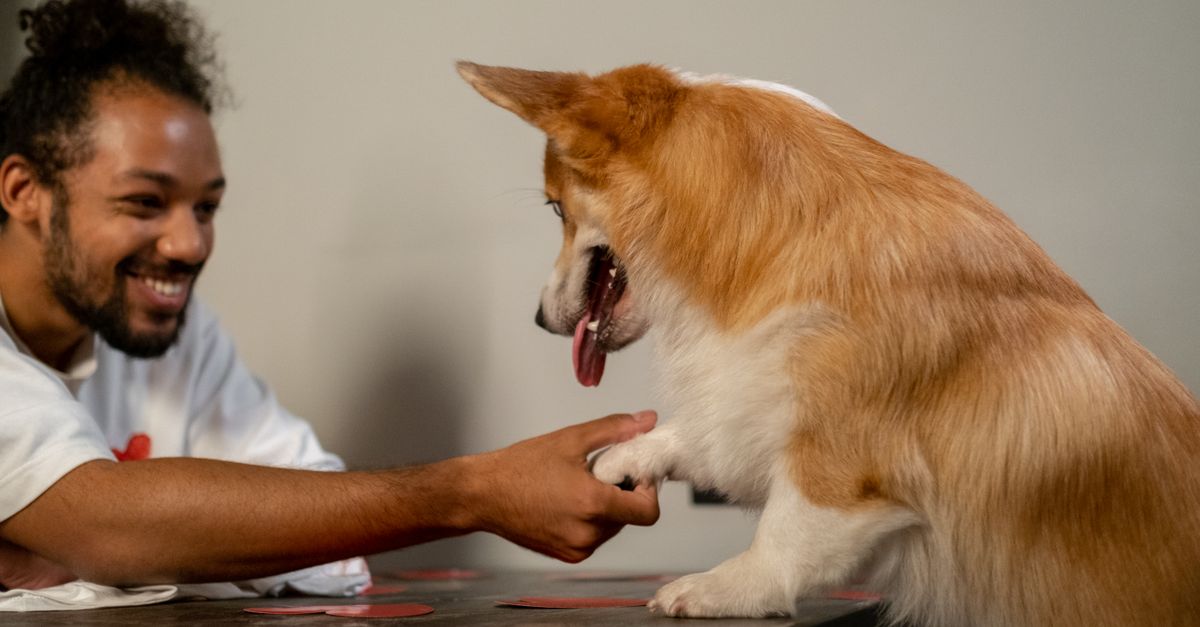
To teach a dog to shake paw, sit your dog first, then hold a treat in a closed fist near its paw. Most dogs paw at your hand to get the treat - the moment the paw lifts, mark it with yes and reward. Repeat until the dog offers the paw on its own, then add the cue shake. Keep sessions short and fun, around 3-5 minutes - it is a brilliant confidence and bonding builder.
Shake is the trick every dog learns with a grin - quick, easy and totally low-stakes. And it is not just a party piece for guests. Teaching your dog to give a paw gets it comfortable with having its feet handled and builds the habit of playful teamwork, where the dog actively works out what to do to earn a reward. That is rocket fuel for confidence.
Why is shake a great first trick?
Because it is easy and pays off fast - and nothing drives further training like an early win. A dog that learns in its first session that lifting a paw equals a treat grasps the whole idea of learning: I do something, I get something good. That is the foundation under every cue that follows.
There is a practical reason too. Plenty of dogs dislike having their paws touched, and that gets in the way of nail trims, wiping muddy paws after a walk, and the vet's exam. A dog that happily offers a paw treats paw contact as a good thing, not a threat.
Before you start - get set up
Sort out three things and the rest goes smoothly:
- High-value treats - small pieces of cooked chicken, cheese or sausage. Something your dog will genuinely work for.
- A quiet spot with no distractions - run your first sessions at home, not in a park full of smells.
- Dog in a sit - it is far easier for a dog to balance and lift a paw from a sit than standing. If your dog does not know the position yet, start with the sit command.
A marker helps too - a short word like yes or a clicker click. The marker pinpoints the exact moment of the right behaviour before you hand over the reward.
How to teach a dog to shake paw - step by step
Step 1. Sit your dog and hide a treat in your fist
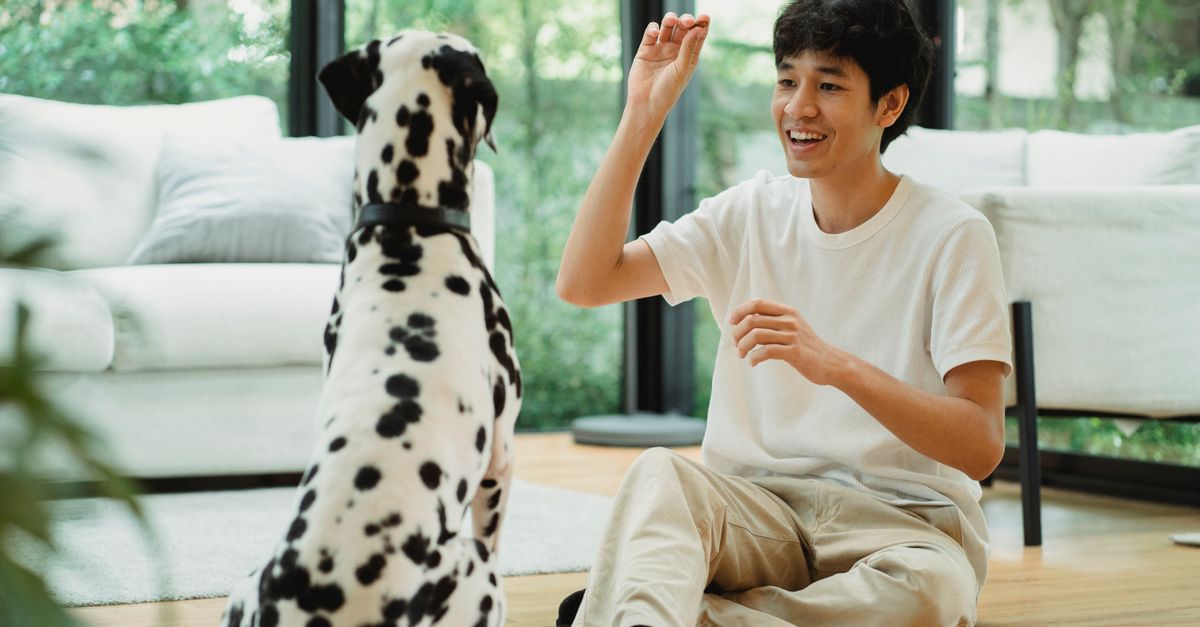
Sit your dog facing you. Take a treat and close it inside your hand. Hold the closed fist low, by the dog's paw - around chest height, not under its nose.
Step 2. Wait for the dog to use a paw
Your dog will work out how to get to the treat. First it will sniff your hand, lick it, maybe nudge with its nose. Eventually - and this is the key - it will lift a paw and touch your hand. That is natural behaviour for most dogs. Be patient, do not prompt with words, just wait.
Step 3. Mark and reward within a second
The instant the paw touches your hand, immediately say yes and open your hand with the reward. Timing is everything here: you are rewarding the paw lift, not the sniffing or licking. Repeat 8-10 times in a session.
If your dog will not try with a paw at all, gently tickle the back of its paw with a finger - most dogs lift it reflexively. Catch that moment with your marker and reward.
Step 4. Repeat without naming it
At this stage do not say shake yet. You are teaching the movement, not the word. Keep catching the lifted paw until your dog offers it confidently on its own as soon as you present the closed fist.
Step 5. Add the cue shake
Once your dog reliably lifts its paw at the sight of your hand, add the name. Say shake calmly just before you present your hand - not at the same time, not after. After a few sessions your dog will connect the word with the movement and give a paw on the cue alone.
Step 6. Move to an open hand
The final polish: instead of a closed fist, present an open hand for the dog to rest its paw on - that is the classic handshake. Take the reward from your other hand or pocket only after it performs.
The other paw and high five
Once your dog reliably gives one paw, build the trick out:
| Trick | How to add it | Tip |
|---|---|---|
| Other paw | Present your hand on the opposite side and use a new word (e.g. other paw) | The dog links the paw to which hand you offer |
| High five | Raise an open hand higher and vertical | Only reward when the paw reaches up |
| Wave | Reward the lifted paw before it touches, pulling your hand back | The dog starts waving in the air |
These are variations on the same movement - your dog already gets the rule, so they come fast.
Common mistakes
- Rewarding too late - the dog cannot tell what earned the treat. The marker and treat must land within a second of the paw lift.
- Adding the word too early - if you say shake before the dog reliably lifts its paw on its own, it learns the word without understanding.
- Forcing it by grabbing the paw - builds a dislike of paw handling, the exact opposite of the point.
- Sessions that run too long - the dog gets bored and loses focus. Cap it at 5 minutes and end on a win.
What comes after shake?
Shake is the gateway to a whole world of trick training. The natural next step is the lie down command - another position your dog learns by luring, and a great one for building calm and self-control.
Tricks are also a brilliant way to make every walk better - a quick session in the park or on a bench mid-walk gives your dog the mental work that tires it out more effectively than movement alone.
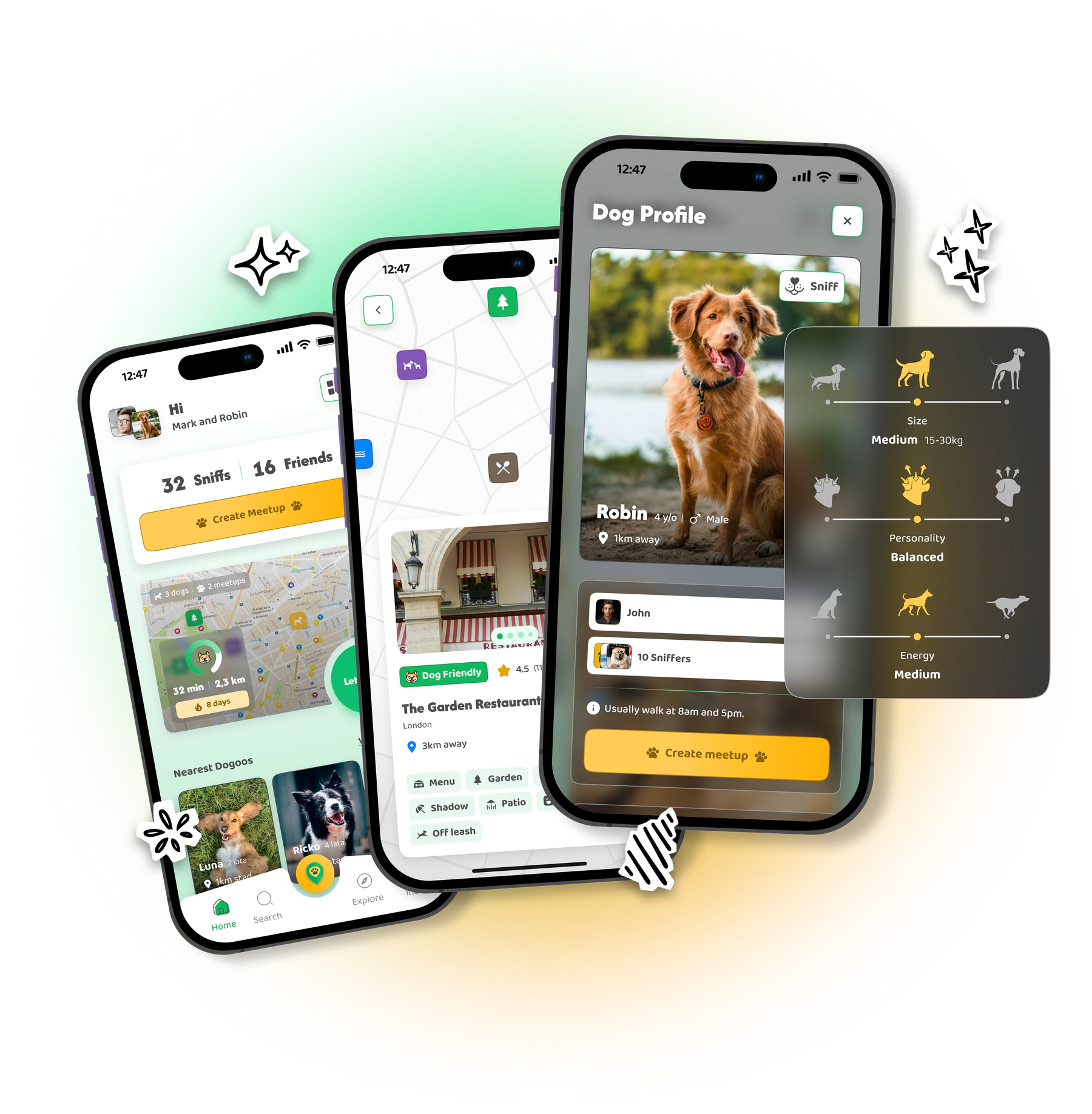
A few upbeat sessions and your dog will shake on cue, and you will have a pocket trick that wins over anyone. Since you are already training, scout DOGOUT for quiet practice spots near you, or find someone else teaching their dog new tricks. It goes better with company - get out there and try it today.
Frequently asked questions
- What age can a dog learn to shake paw?
- You can start a puppy at around 8-10 weeks once it can focus for a moment. Shaking is a safe, low-impact trick. Older dogs learn it just as easily - most pick up the basics in a few short sessions.
- My dog will not lift its paw on its own - what do I do?
- Hide a treat in a closed fist and hold it low, right by the dog's paw. As it tries to get the treat it will sniff first, then start to paw at your hand. The instant the paw lifts, say yes and reward. If it really will not try, gently tickle the back of its paw so it lifts reflexively, then reward straight away.
- Should I grab and lift my dog's paw myself?
- Better not to. Dogs learn faster and more willingly when they offer the behaviour themselves rather than being forced into it. Forcing the movement can build a dislike of paw handling, which is exactly what you want your dog comfortable with for nail trims and post-walk paw wipes.
- How do I teach both paws?
- First make one paw solid under the cue shake. Then present your other hand on the opposite side and use a new word, such as other paw or high five. Dogs quickly learn that which paw they lift depends on which hand you offer.
- How long should a trick training session last?
- 3-5 minutes is the sweet spot. Two or three short, upbeat sessions through the day beat one long one. Always finish while your dog is still keen and before it gets bored - end on a win, not on frustration.
- Why bother teaching a dog to shake at all?
- It is a simple, crowd-pleasing trick that gets your dog used to having its paws handled, builds confidence and strengthens your teamwork. A dog that happily offers a paw copes far better with nail trims, paw wiping and vet exams.