Traveling With Your Dog by Car: Secure, Comfortable, Safe
Your dog must be secured in the car - ideally in a travel crate or a crash-tested harness clipped to the seat belt. Never let a dog ride loose or in an unsecured boot. For motion sickness, try gradual habituation, an empty stomach and fresh air. Most important of all: never leave your dog in a parked car, even for a few minutes - heat can kill in well under 20 minutes.
Dog by the door, lead in hand, boot open - and you're off. A road trip with your dog can be brilliant: new forests, beaches, trails to explore. But the car is also where a small mistake turns into an injury, or worse. The good news: a handful of rules make every drive safe. Let's run through them.
How should you secure your dog in the car?
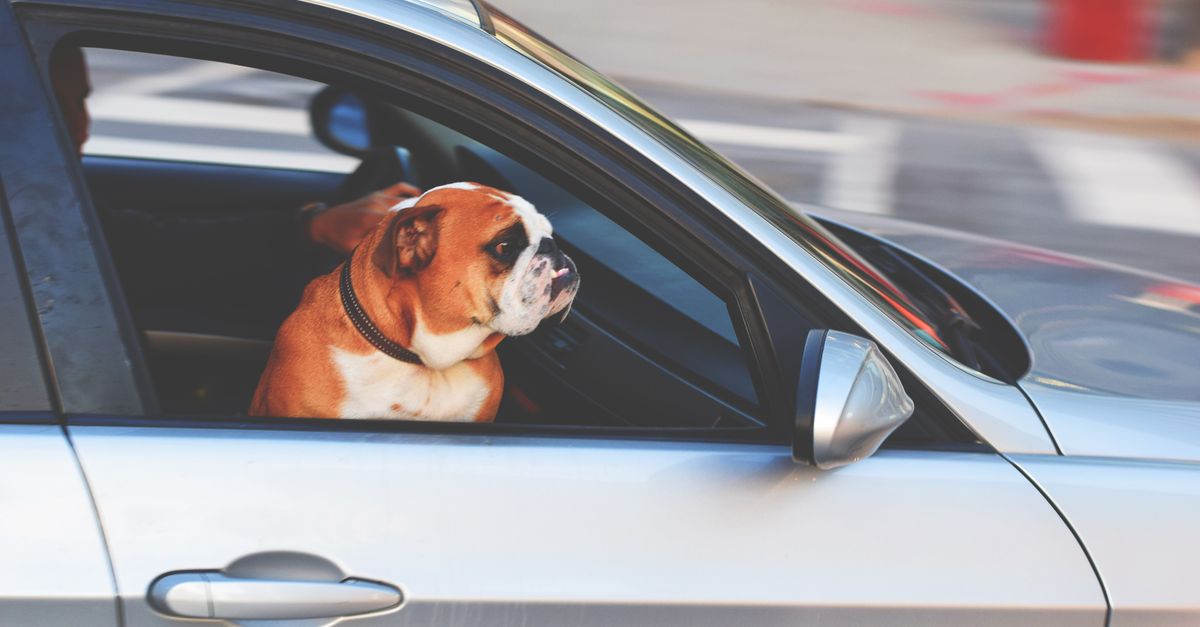
A loose dog isn't a happy head-out-the-window moment. It's a genuine hazard - to the dog, to you, and to everyone else in the car. In a hard stop or a crash, an unrestrained dog becomes a projectile, thrown forward with huge force, injuring itself and the people around it. It can also distract the driver and cause a crash in the first place.
You've got two safe options:
| Restraint | Best for | What to look for |
|---|---|---|
| Travel crate / kennel | Highest protection, larger dogs, estate boot | Anchored so it can't slide, rigid and well made |
| Crash-tested car harness | Medium dogs, back seat | Short tether to the belt, correct fit, broad chest strap |
| Boot guard / divider | Larger dogs in the boot | Doesn't restrain the dog in a crash on its own - pair with a crate |
A few non-negotiables:
- Never clip the seat belt to a collar. In a jolt it risks serious neck and spine injury. Always use a chest harness.
- Don't let your dog ride loose in an open hatchback boot or on an open platform. That is not a place for an unsecured dog.
- Back, not front. The front seat with an active airbag is dangerous for a dog. Riding on the driver's lap is out entirely.
- An everyday walking harness is not a car harness. Look for a crash-tested label.
Motion sickness - how to help your dog
Lots of dogs, puppies especially, travel badly: drooling, yawning, restlessness, vomiting. Some of that is physical motion sickness (a young dog's inner ear is still maturing), and some is stress linked to the car - because for many dogs the car has only ever ended at the vet.
What actually helps:
- Build it up gradually. Start by sitting in a parked car with a reward. Then a short drive around the block. Extend slowly, pairing the car with something good - heading out for a great walk, not just the clinic.
- Empty stomach. Don't feed your dog right before the drive; leave a few hours' gap. A full stomach makes vomiting more likely.
- Fresh air and a cool cabin. Crack a window or run the ventilation and keep the temperature down.
- Stable, low position. A dog that can see the road ahead - rather than trees flashing past a side window - is less likely to feel sick.
- Calm, for both of you. A crate or harness gives a sense of security.
If your dog still vomits on every trip or is genuinely terrified of the car, talk to your vet. Effective anti-nausea medications can be prescribed before travel; the dose and choice are the vet's call, not the internet's.
Breaks on the road - water, toilet, stretch
A dog can't go hours without a break any more than you can. On a longer drive, plan a stop roughly every 2-3 hours:
- a short walk to stretch their legs,
- water to drink (especially in summer - a collapsible bowl weighs nothing),
- a chance to toilet.
Always keep your dog on the lead, even at a motorway service station. An unfamiliar, noisy place full of moving cars is exactly where a startled dog bolts straight into traffic. For how much exercise your dog needs day to day, see our guide on how many walks a dog actually needs - try to honour that on the road too.
Why you must NEVER leave your dog in the car
This is the most important paragraph in the whole piece. Don't leave your dog in a parked car - not for five minutes, not in the shade, not with a cracked window.
A car in the sun turns into an oven faster than you'd think. At just 21°C outside, the cabin climbs to around 37°C within 20 minutes, and hotter still after an hour. A cracked window drops the temperature by a mere 2-3 degrees - effectively nothing. Dogs cool mainly by panting, which stops working once the air is hotter than their body.
The consequences are devastating: heatstroke, brain damage and death can happen within minutes. Overheating signs include frantic panting, drooling, an unsteady gait, weakness and disorientation. If you see them, cool the dog with cool (not ice-cold) water, get them into shade, and head to a vet.
The rule is simple and has no exceptions: going somewhere your dog can't come in? Leave them at home, or plan the trip so someone stays with them. The same overheating danger applies to ordinary summer outings - there's more on that in our guide to walking your dog in the heat.
Quick checklist before a longer drive
- water and a collapsible bowl,
- crate or crash-tested car harness,
- lead and your dog's health records,
- a favourite blanket or bed (the smell of home is calming),
- poop bags,
- planned breaks every 2-3 hours.
Planning a bigger trip with your dog? Have a look at our guide to dog-friendly holidays too - from where to stay to what to do once you arrive.
A well-secured dog, a few breaks and zero risk in a parked car - that's all it takes for the car to open up new routes for you both. Check the DOGOUT map for where to head and who's walking near your destination, and line up a walk before you even get there.
Frequently asked questions
- How should I secure my dog in the car?
- Two safe options: a travel crate anchored in the boot, or a crash-tested car harness with a short tether to the seat belt on the back seat. Never clip the belt to a collar - in a sudden stop it can cause serious neck injury. A dog should never ride loose or in an open, unsecured boot.
- What helps with dog motion sickness?
- Gradual habituation with short, positive car trips, traveling on an empty stomach (no food for a few hours before the drive), fresh air and a cool cabin, and a stable, low position so the dog can see the road ahead. For severe cases, a vet can prescribe anti-nausea medication.
- How often should I stop on a road trip with a dog?
- Roughly every 2-3 hours, stop for a short walk, water and a toilet break. Always keep your dog on the lead, even at a service station - an unfamiliar, busy place is a classic setup for a dog bolting into traffic.
- Can I leave my dog in the car for just a minute?
- No. Even on a mild day the cabin heats up fast - at around 21°C outside, the inside can reach close to 37°C within 20 minutes. A cracked window barely helps. Heatstroke and brain damage can set in within minutes. Leave the dog at home or take them with you.
- Can a puppy travel by car?
- Yes, and it's worth getting a puppy calmly used to the car early, with short, pleasant trips. Secure a puppy in a crate or a properly fitted harness too, and never leave them alone in the car.
- Where should the dog sit in the car?
- The back is safest - in a crate in the boot or harnessed on the rear seat. The front passenger seat with an active airbag is dangerous for a dog, and riding on the driver's lap is a hard no.