Can Dogs Eat Beets? Yes - but Keep the Portions Small
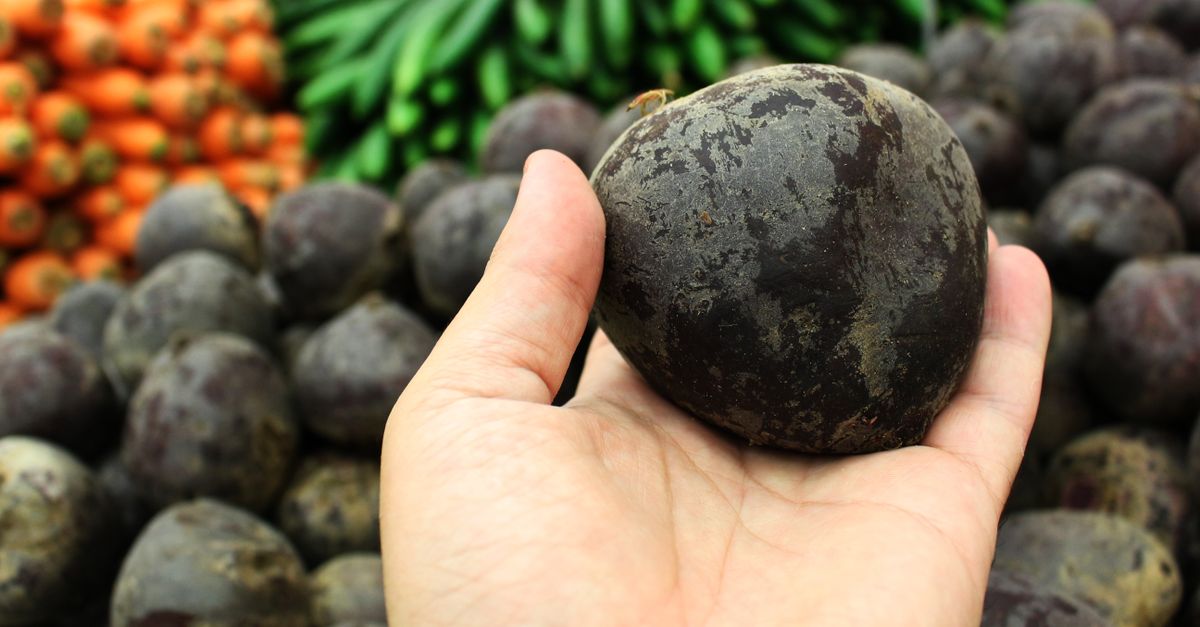
Yes, dogs can eat beets - they are safe in small amounts and provide fibre, vitamin C, potassium, and antioxidants. Beets do contain oxalic acid, which in excess can contribute to urinary and kidney stones. Serve them plain and cooked, without salt or seasoning, as an occasional treat rather than a diet staple. Dogs with kidney disease or a history of urinary stones should avoid beets or only eat them with explicit vet approval.
Your dog is eyeing the beetroot on the cutting board. Can you share a piece? In moderation - yes. Beets are not toxic to dogs and carry a respectable nutritional profile. They do come with a caveat worth knowing, especially if your dog has kidney or urinary tract issues.
What makes beets good for dogs?
Beets show up as an ingredient in many commercial dog foods - and for good reason. According to the AKC and PetMD, beetroot provides:
- fibre - supports digestive health and gut motility
- vitamin C - boosts immune function
- potassium - supports heart and muscle function
- folate - important for healthy cell function
- magnesium and manganese - support metabolism and bone health
- betalains - natural pigments in the skin with antioxidant and anti-inflammatory properties
Served in sensible portions, beets can support coat health, skin condition, and digestion in dogs.
Oxalic acid - the main caveat with beets
Beets contain oxalic acid (oxalates). When consumed in excess or too regularly, oxalates can contribute to the formation of crystals and stones in the urinary tract. Dogs with urinary stones, kidney disease, or a predisposition to calcium oxalate crystals should avoid beets - or only eat them with clear approval from a vet.
Cooking reduces the oxalate content, which is why cooked beets are a safer choice than raw ones for dogs with a sensitive urinary system.
Which forms of beet are safe for dogs?
| Form | Serve it? | Note |
|---|---|---|
| Cooked beetroot (no salt) | Yes | Best option - easier to digest, lower oxalate load |
| Raw beetroot | With caution | Harder to digest - cut very small |
| Beet greens | With caution | Higher oxalate content than the root - tiny amounts only, for healthy dogs |
| Canned beets (water, no salt) | Yes | Check the label - plain water only, no additives |
| Pickled beets (vinegar, seasoning) | No | Acid, salt, and spices are harmful to dogs |
| Beetroot juice | No | Concentrated sugars and oxalates, risk of digestive upset |
How to prepare beets for your dog
Whether cooked or raw, always serve beets plain - no salt, sugar, onion, garlic, or any seasoning. Onion and garlic are toxic to dogs, so any beets prepared "human style" are off limits.
Simple steps:
- Choose fresh beets - organic is a good call to reduce pesticide residue
- Wash thoroughly and peel
- Cook in plain water or steam - no salt added
- Cool to room temperature
- Cut into small pieces sized for your dog
If serving raw, grate or slice paper-thin to reduce choking risk and help digestion.
How much is the right portion?
Beets are a treat and a topper, not a meal base. Portion guide from PetMD:
| Dog size | Portion per serving |
|---|---|
| Extra small (up to 5 kg / 11 lb) | 1-2 teaspoons |
| Small (5-10 kg / 11-22 lb) | 2-4 teaspoons |
| Medium (10-25 kg / 22-55 lb) | 1-2 tablespoons |
| Large (25-45 kg / 55-100 lb) | 2-4 tablespoons |
| Extra large (over 45 kg / 100 lb) | up to 5 tablespoons |
Feed up to 2-3 times a week. All treats combined should not exceed 10% of your dog's daily calorie intake.
Pink urine - is it a problem?
After eating beets, your dog may produce pink or reddish urine for a few hours. This is called beeturia - harmless and caused by betalain pigments passing through the body. It typically clears within 12-24 hours. If the pink colour persists beyond that, or your dog shows other symptoms such as straining, lethargy, or loss of appetite, contact your vet. Persistent discolouration could point to a urinary tract issue unrelated to beets.
Beets alongside other healthy dog vegetables
Beets work well as one variety in a broader snack rotation. Two other well-researched options are carrots - low-calorie and great for teeth - and pumpkin, which is especially useful for digestive issues. For a full overview of safe and unsafe foods, check out what dogs can and cannot eat.
This article is for informational purposes only. If you have any doubts about your dog's diet - especially if they have a chronic health condition - always consult a veterinarian.
Beets done, now get out there. Open DOGOUT to find new walking spots near you - fresh trails, new smells, and maybe a four-legged friend to run alongside. The pack is waiting.
Frequently asked questions
- Are raw beets safe for dogs?
- Raw beets are not toxic, but they are harder to digest than cooked beets and more likely to cause gas or diarrhoea. If you serve them raw, cut them into very small pieces and start with a tiny amount to see how your dog reacts.
- Why can beets be harmful to dogs?
- Beets contain oxalic acid, which in excess can contribute to the formation of crystals and stones in the urinary tract. They are also relatively high in natural sugars and carbohydrates, which is worth watching for dogs with diabetes or weight problems.
- Why does my dog's urine turn pink after eating beets?
- The natural pigments in beets (betalains) can turn urine and stools pink or red for 12-24 hours after eating. This is harmless and temporary. If the discolouration persists beyond 24 hours or is accompanied by other symptoms, check with your vet.
- How much beetroot can I give my dog?
- Small dogs: 1-2 teaspoons. Medium dogs: 1-2 tablespoons. Large dogs: 2-4 tablespoons. Serve as an occasional treat up to 2-3 times a week, staying within the 10% daily calorie treat rule.
- Can dogs eat canned beets?
- Only if they are packed in water with no added salt or seasonings. Pickled beets in vinegar or beets with added ingredients are unsuitable for dogs.
- Which dogs should avoid beets entirely?
- Dogs with urinary stones, kidney disease, or a tendency to form calcium oxalate crystals should avoid beets. The same goes for dogs with diabetes, due to the relatively high sugar content. Consult your vet in any of these cases.