Can Dogs Eat Corn? Yes - Kernels Are Fine, the Cob Is Not
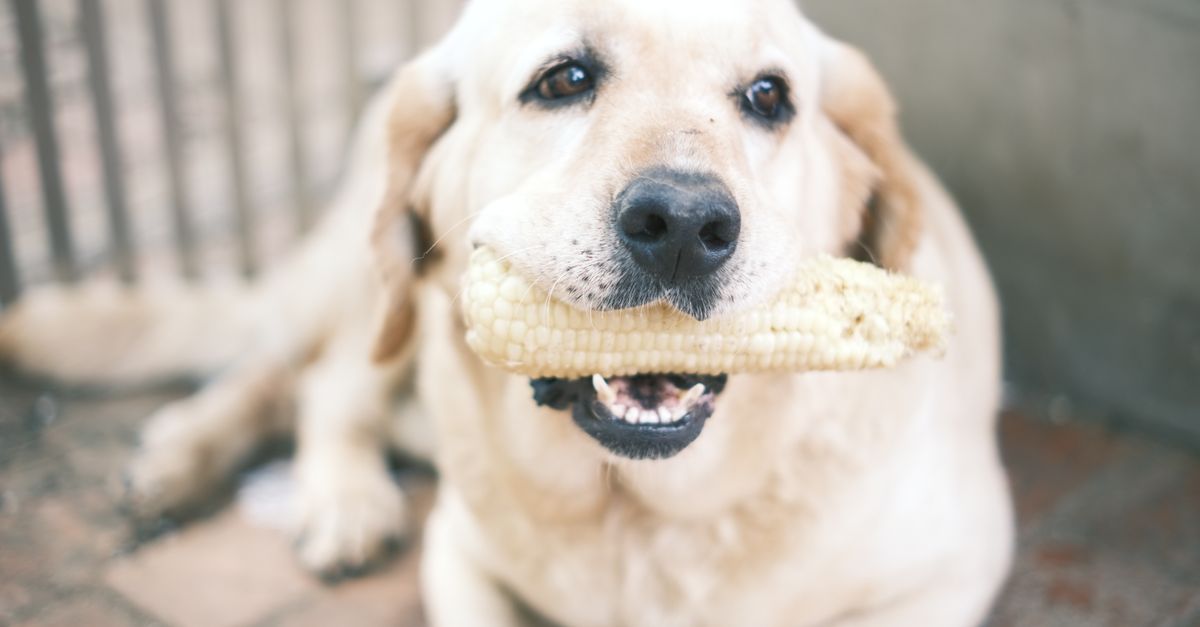
Yes, dogs can eat corn - kernels are safe and nutritious. Never give your dog corn on the cob, as the cob can cause a serious intestinal blockage that may require surgery. Serve only plain cooked or raw kernels with no salt, butter, or seasoning, in small amounts.
Corn is everywhere in summer - on the grill, at picnics, at outdoor markets. Your dog's nose already knows. Good news: corn kernels are safe for dogs. The catch - the cob is not, and that line cannot be crossed.
What makes corn good for dogs?
Corn is more than just starch. The AKC and PetMD both confirm that plain corn kernels are safe and offer real nutritional value:
- protein and essential fatty acids - support healthy skin and coat
- carbohydrates - a useful energy source for active dogs
- fibre - supports digestive health
- vitamins C, B, E, and K plus minerals including magnesium and potassium
- antioxidants - lutein and zeaxanthin support eye health
Corn is also a common ingredient in commercial dog foods, which reflects the broad veterinary consensus that it is safe when prepared correctly.
The corn cob - a genuine threat to your dog's life
This is the most important point in this article: never give your dog corn on the cob or pieces of cob. The cob is essentially indigestible. Its rigid, fibrous structure can easily become lodged in the digestive tract - and it is one of the most common summer veterinary emergencies.
If the cob reaches the intestines, surgery - an enterotomy - may be needed to remove it. In serious cases, a prolonged blockage causes intestinal tissue to lose blood supply, leading to rupture and life-threatening abdominal infection.
Warning signs if your dog has swallowed a cob:
- vomiting or unsuccessful attempts to vomit
- loss of appetite and lethargy
- abdominal pain - dog hunches, is reluctant to move
- diarrhoea or no bowel movement at all
If you suspect your dog has swallowed a cob - see a vet immediately. Do not wait for symptoms to intensify.
How to serve corn to your dog safely
| Form of corn | Serve it? | Note |
|---|---|---|
| Cooked kernels (off the cob) | Yes | Plain - no salt, butter, or seasoning |
| Raw kernels | Yes | Harder to digest but safe in small amounts |
| Corn on the cob | No | Risk of intestinal blockage - potentially fatal |
| Canned corn | With caution | Often contains added salt and sugar - choose no-salt varieties |
| Plain air-popped popcorn | With caution | No butter or salt; remove all unpopped kernels |
| Buttered or salted popcorn | No | Excess salt and fat are harmful to dogs |
| Corn grilled with butter | No | Butter and salt are not suitable for dogs |
How much corn is the right portion?
A few tablespoons of plain kernels as an occasional treat is a sensible amount for an average-sized dog. The standard 10% rule applies - all treats combined should not exceed one tenth of daily calorie needs.
Corn has a relatively high carbohydrate content, so dogs that are overweight or diabetic should receive it with extra caution. In those cases, check with your vet first.
Corn allergy in dogs
Corn is a rare allergen in dogs - sensitivity affects fewer than 1% of the dog population. If you are giving corn for the first time, start with a small amount and watch for any reaction over the following hours. Signs to look out for include itching, skin redness, ear problems, diarrhoea, or vomiting.
Corn alongside other healthy snacks
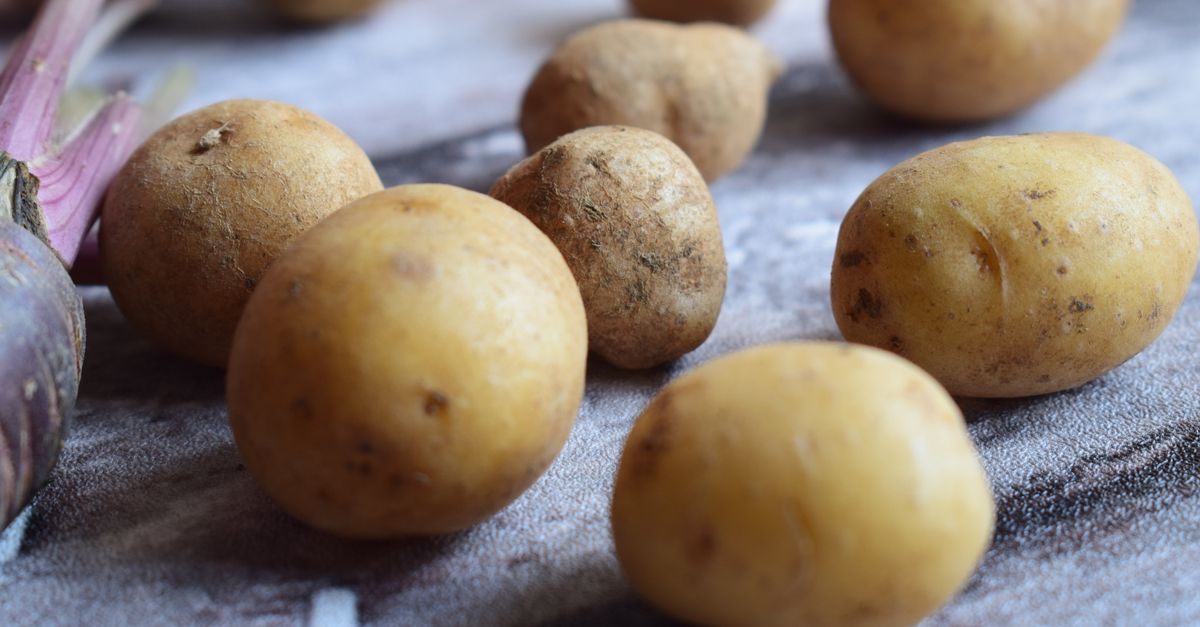
Corn fits well into a varied diet as part of a broader mix of dog-safe vegetables and fruit. Also worth reading: carrots and potatoes are two other popular vegetable choices. For a complete guide to safe and toxic foods, see what dogs can and cannot eat.
This article is for informational purposes only. If you have any doubts about your dog's diet - especially with chronic health conditions - always consult a veterinarian.
Snack sorted, now get outside. Open the DogOut map to find parks, off-leash areas, and trails near you - the pack is waiting.
Frequently asked questions
- Can dogs eat corn on the cob?
- No. The cob is indigestible and is one of the most common causes of intestinal blockage in dogs. If swallowed, it can require emergency surgery. Always remove kernels from the cob before serving.
- Is canned corn safe for dogs?
- It is best avoided - canned corn usually contains added salt, sugar, and preservatives. If you use it, choose a no-salt-added variety and give only a small amount.
- Can dogs eat popcorn?
- Plain, air-popped popcorn with no salt, butter, or flavourings is safe for most dogs in small amounts. Avoid unpopped kernels, which can damage teeth. Cinema-style buttered or salted popcorn is not suitable for dogs.
- How much corn can I give my dog?
- A few tablespoons of plain kernels as an occasional treat is a sensible portion. All treats combined should not exceed 10% of your dog's daily calorie intake.
- What signs suggest my dog swallowed a corn cob?
- Warning signs include vomiting, loss of appetite, lethargy, abdominal pain, and diarrhoea. If you suspect your dog has swallowed a cob, contact a vet immediately - do not wait for symptoms to worsen.
- Can corn cause an allergy in dogs?
- Yes, though it is rare - fewer than 1% of dogs show sensitivity to corn. Signs of an allergy include persistent itching, skin redness, chronic ear problems, diarrhoea, or vomiting. If in doubt, check with your vet.