Can Dogs Eat Grapes? NO - They Can Cause Acute Kidney Failure
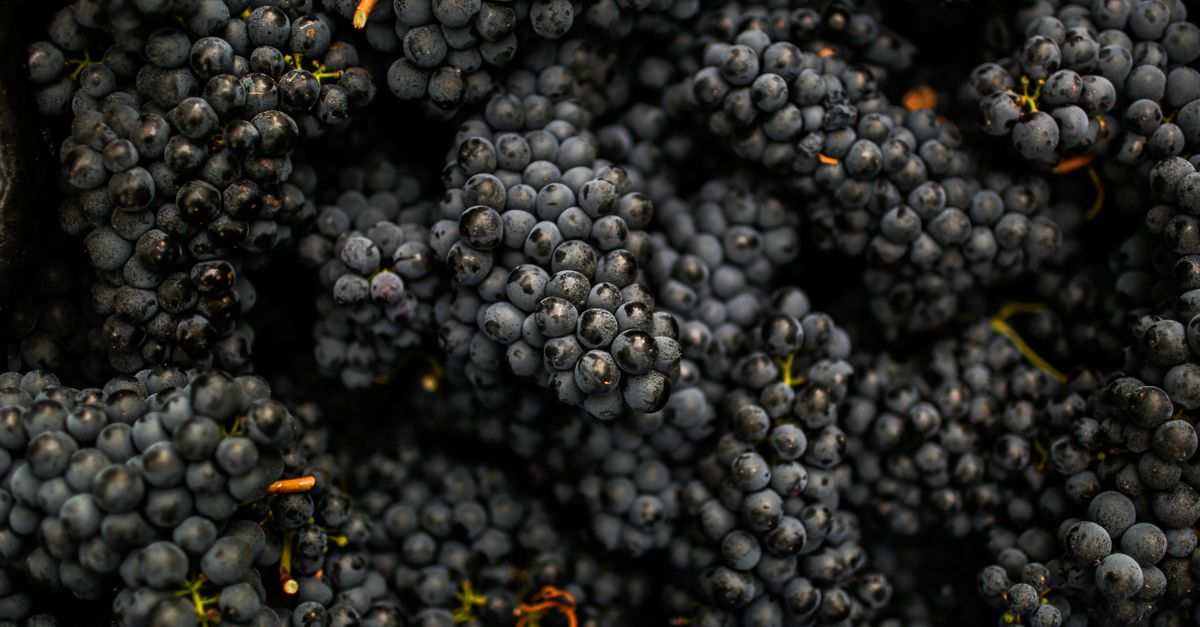
NO. Grapes and raisins are highly toxic to dogs and can cause acute kidney failure - even after eating just a few pieces of fruit. There is no established safe dose: in some dogs a single grape caused fatal poisoning; in others the same amount caused no symptoms at all. This unpredictability makes them exceptionally dangerous. If your dog has eaten grapes or raisins, call your vet immediately - do not wait for symptoms.
Grapes are one of those foods where there is no room for compromise, exceptions or dose-adjustment. The answer is simple and final: dogs cannot eat grapes or raisins. Never, in any form, in any amount.
Why are grapes toxic to dogs?
For many years the mechanism of grape toxicity remained unknown - which was itself alarming. In 2022, researchers published findings in the Journal of Emergency and Critical Care Medicine (JEVCC) identifying tartaric acid as the likely cause. Dogs (and cats) do not metabolise it efficiently, leading to accumulation and damage to the kidney tubules.
The key - and frightening - finding: the toxic dose is completely unpredictable. In one dog, 30 grams of grapes caused acute kidney failure requiring intensive treatment. In another dog of the same breed and weight, the same amount caused no symptoms at all. There is no way to know in advance whether your dog is sensitive - and risking that experiment could cost them their life.
Raisins: more dangerous than fresh grapes
Raisins are dried grapes - concentrated. Per gram of weight, raisins contain more tartaric acid than fresh grapes. A handful of raisins can produce a stronger toxic effect than several fresh grapes.
The particular trap: raisins are everywhere. Check the ingredients of biscuits, trail mix, fruit bread, granola, muesli, Indian and Middle Eastern dishes, Christmas cakes and fruit cakes. Heat treatment does not destroy the toxin - raisins in a cooked dish are just as dangerous as raw ones.
Symptoms of grape poisoning - what to look for
Symptoms typically appear within 6-24 hours of ingestion, but kidney damage can progress without any obvious external signs.
Early phase (6-24 h):
- Vomiting and diarrhoea (often containing undigested grapes or raisins)
- Lethargy, weakness
- Loss of appetite
- Excessive drooling
Late phase (24-72 h) - signs of kidney damage:
- Pain when the abdomen is pressed
- Increased thirst and urination (initially)
- Then - decreased or complete cessation of urination (this signals acute kidney failure)
- Uraemic (ammonia-like) breath
- Weakness, tremors, incoordination
- In severe cases - coma and death
What to do immediately - step by step
If your dog ate grapes or raisins within the past few hours:
- Call your vet immediately - do not search the internet, do not wait for symptoms. Every minute matters.
- Tell them: how many grapes the dog ate (or an estimate), when it happened, how much the dog weighs, whether any symptoms have appeared yet.
- Do not induce vomiting on your own without clear instructions from a vet. In some circumstances this can increase toxin absorption.
- Go to the clinic - the vet will decide about inducing vomiting, administering activated charcoal and starting fluid therapy.
Even if your dog looks completely normal - go to the vet. Kidney damage can progress for 48 hours without any outward signs.
Treatment: timing is critical
The treatment protocol for grape poisoning includes:
- Inducing vomiting (if the vet decides the timing and the dog's condition allow it)
- Administering activated charcoal to bind remaining toxin in the gastrointestinal tract
- Intensive IV fluid therapy for at least 48-72 hours - this is the key element of treatment; it supports the kidneys and flushes the toxin
- Regular blood and urine tests to monitor kidney function
- Kidney-support medications if damage has occurred
Dogs treated quickly - within the first hour of ingestion - have significantly better outcomes than those whose treatment is delayed. That is why you should not wait for the first vomit to "make sure something is happening."
Which varieties of grape are toxic?
All of them. Green, red, dark, seedless, seeded, farmed, organic, imported - every variety has been associated with poisoning cases. Colour, taste, seeds and country of origin are irrelevant. The toxicity lies in the flesh and skin of the fruit.
This also applies to: raisins, sultanas, currants, and fruit preserved in syrups, jams or juices given to a dog.
Safe fruit alternatives
If you want to give your dog a fruity treat, there are safe options:
- Apples (without seeds and core) - vitamins A and C, fibre. See: can dogs eat apples
- Strawberries - vitamin C, antioxidants, in moderate amounts
- Blueberries - antioxidant superfood for dogs
- Watermelon - without seeds and without the rind
Grapes have no "safe" substitute - simply cut them out entirely.
Disclaimer: This article is for informational purposes only and does not replace veterinary advice. If you suspect poisoning, contact your vet immediately.
A dog that lives actively and eats well lives long. On DOGOUT you will find walking routes, places where dogs are genuinely welcome, and a community that cares for their dogs as seriously as you do. Safety is the foundation - everything else is shared adventures.
Frequently asked questions
- How many grapes can a dog eat safely?
- There is no safe dose. Clinical reports show that in some dogs even a single grape triggered acute kidney failure. In others the same amount caused no symptoms at all. This unpredictability cannot be determined in advance - every grape is a risk.
- Are raisins as dangerous as fresh grapes?
- Raisins are more dangerous - they are concentrated. A gram of raisins contains more tartaric acid than a gram of fresh grapes. A small handful of raisins can produce a stronger toxic response than several fresh grapes.
- My dog ate grapes an hour ago and looks completely normal - do I really need to go to the vet?
- Yes - immediately. No symptoms in the first few hours does not mean the dog is safe. Kidney damage can progress for 24-72 hours without any obvious external signs. Decontamination (vomiting induced by the vet) is most effective within the first hour. Do not wait.
- My dog ate a biscuit with raisins in it - is that dangerous too?
- Yes. Raisins in biscuits, cakes, fruit bread and South Asian or Middle Eastern dishes are just as toxic as fresh ones. Cooking does not destroy the toxin. Always check ingredients before giving your dog any baked goods.
- How is grape poisoning treated in dogs?
- Treatment includes: inducing vomiting (if ingestion was recent and the vet advises it), administering activated charcoal, intensive IV fluid therapy for at least 48-72 hours, and monitoring kidney function via blood and urine tests. The sooner fluid therapy is started, the greater the chance of full recovery.
- Are seedless grapes safe for dogs?
- No. The toxicity of grapes is not related to the seeds. The flesh and skin are toxic regardless of variety - green, red, seedless, organic - all pose the same risk.