Foods Toxic to Dogs - What Can Kill Your Dog and What to Do

Dogs cannot eat: grapes and raisins, chocolate, onions and garlic (in all forms), xylitol (the sweetener in gum and sweets), macadamia nuts, alcohol, raw yeast dough or caffeine. Each of these can cause serious, life-threatening poisoning. If you suspect your dog has eaten any of them, call your vet immediately - do not wait for symptoms.
Most dogs will approach any smell with the kind of enthusiasm that says: "I'm definitely allowed to eat this." The problem is that your dog simply doesn't know. You have to know. The list of foods that can kill a dog is shorter than you think - but every item on it is a real threat, not a myth.
Absolutely prohibited foods
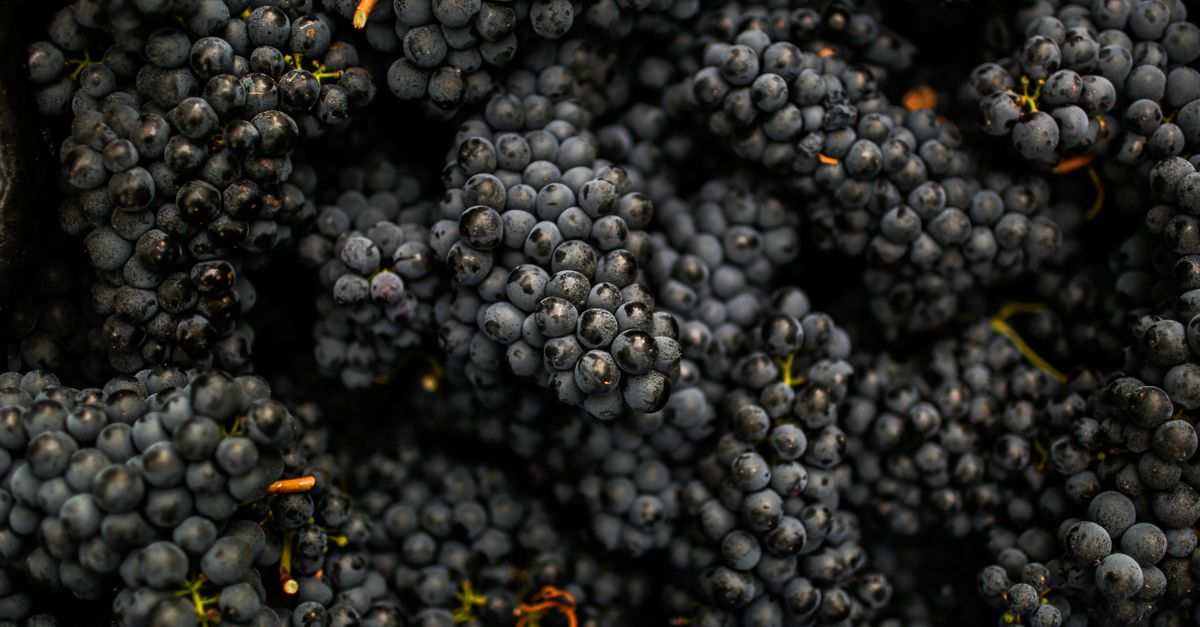
Grapes and raisins - acute kidney failure
Grapes and raisins are among the most dangerous foods for dogs. Research published in the Journal of Emergency and Critical Care Medicine in 2022 identified tartaric acid as the likely toxic agent. The critical issue: there is no established safe dose - in some dogs even a single grape triggered acute kidney failure. In others, the same amount caused no symptoms. This unpredictability makes grapes especially treacherous.
Raisins are more concentrated - a gram of raisins contains more toxin than a gram of fresh grapes.
Symptoms (6-24 h): vomiting, diarrhoea, lethargy, loss of appetite. After 24-48 h: abdominal pain, excessive thirst, changes in urination, in severe cases complete shutdown of urine production and death. Full detail: can dogs eat grapes.
Chocolate - heart and nervous system damage
Chocolate contains theobromine and caffeine - both belong to the methylxanthine group. Dogs metabolise these compounds far more slowly than humans, causing them to accumulate.
Danger scale (most to least dangerous): cocoa powder > baking/dark chocolate > semi-sweet > milk chocolate > white chocolate.
Symptoms (6-12 h after ingestion): vomiting, diarrhoea, increased thirst, restlessness, racing heart. In severe cases: cardiac arrhythmia, muscle tremors, seizures.
Onions and garlic - haemolytic anaemia
All plants in the Allium family - onions, garlic, leeks, chives, shallots - contain thiosulfate compounds that damage red blood cell membranes, causing them to rupture (haemolysis). All forms are toxic: raw, cooked, dried, powdered. Garlic is roughly five times more concentrated than onion.
Symptoms - watch for the delay: early symptoms (vomiting, diarrhoea) appear within a few hours. But signs of anaemia - pale gums, weakness, rapid laboured breathing, dark urine - can appear 2-5 days after ingestion. This means owners rarely connect cause and effect.
Xylitol - hypoglycaemia and liver failure
Xylitol is a natural sweetener widely used in place of sugar. It is safe for humans. In dogs it triggers a rapid insulin surge - blood sugar drops dangerously fast, sometimes within 10-60 minutes of ingestion. Higher doses cause acute liver failure.
Where to find it: chewing gum, sugar-free sweets, toothpaste, mouthwash, cough syrups, chewable tablets, diet baked goods, peanut butter (always check the label).
Symptoms: weakness, incoordination, vomiting, seizures (hypoglycaemia). Liver failure signs (jaundice, lethargy, clotting disorders) can appear 2-3 days later.
Macadamia nuts - neurological symptoms
The mechanism of macadamia toxicity is unknown, but the symptoms are distinctive and appear within 12 hours.
Symptoms: weakness in the hind legs, ataxia (loss of coordination), vomiting, fever, muscle tremors. Symptoms usually resolve on their own within 24-72 hours, but veterinary care is needed.
Alcohol - far higher sensitivity than humans
Dogs absorb ethanol the same way humans do but are far more sensitive to it. Even a small amount of alcohol can cause a dangerous drop in blood sugar, blood pressure and body temperature. It is not just drinks - ethanol is also produced in fermenting yeast dough, and is present in some desserts and flavour extracts.
Symptoms (15 min - 2 h): incoordination, sedation, vomiting, breathing difficulties, tremors, coma, death.
Raw yeast dough - double danger
Raw yeast dough continues to rise in the warm environment of a dog's stomach. This causes dangerous bloating that can lead to gastric dilatation-volvulus (GDV) - a life-threatening emergency requiring surgery. At the same time, fermenting yeast produces ethanol - the dog is poisoned by alcohol from the inside.
Symptoms: distended, hard abdomen, acting intoxicated, vomiting, collapse. This is a veterinary emergency.
Caffeine - toxic even in small amounts
Caffeine, like theobromine in chocolate, is a methylxanthine. Dogs are significantly more sensitive than humans. Sources of caffeine that are easy to overlook: coffee, tea, energy drinks, some over-the-counter medications, weight-loss supplements.
Symptoms (onset 30-60 min, lasting 12-36 h): hyperactivity, restlessness, elevated heart rate, vomiting, tremors, seizures.
Avocado - caution
Avocado contains persin - a compound that is primarily toxic to birds, horses and rabbits. Dogs are considerably more tolerant, but the ASPCA recommends avoiding avocado. A small amount of flesh is unlikely to cause acute poisoning, but may cause vomiting and diarrhoea, and the high fat content risks pancreatitis. The pit is a serious choking and intestinal obstruction hazard.
Summary table: toxins, symptoms, reaction time
| Food | Mechanism | First symptoms | Time to symptoms |
|---|---|---|---|
| Grapes / raisins | Tartaric acid - kidneys | Vomiting, lethargy | 6-24 h |
| Chocolate | Theobromine - heart, CNS | Vomiting, restlessness | 6-12 h |
| Onions / garlic | Thiosulfates - red blood cells | Vomiting; anaemia 2-5 days later | 2-5 days |
| Xylitol | Insulin spike - hypoglycaemia | Weakness, seizures | 10-60 min |
| Macadamia | Unknown - neurological | Hind-leg weakness | Within 12 h |
| Alcohol | CNS / metabolic | Incoordination | 15 min - 2 h |
| Raw yeast dough | Bloat + alcohol | Hard abdomen | Rapidly |
| Caffeine | Methylxanthines - CNS | Hyperactivity, tremors | 30-60 min |
What to do if you suspect poisoning
Step 1: Call your vet or an emergency 24-hour clinic immediately. Do not wait for symptoms.
Step 2: Tell them: what the dog ate, an estimate of how much, when it happened, and the dog's body weight.
Step 3: Do not induce vomiting without your vet's instructions. For some substances (corrosive ones) vomiting will worsen the damage. For others, the vet will recommend it as first aid.
Step 4: Collect the packaging or a sample of the product - the ingredient list may matter for treatment.
For a full overview of what dogs can eat safely, see the article what dogs can and can't eat.
Disclaimer: This article is for informational purposes only and does not replace veterinary advice. If you suspect poisoning, contact your vet immediately.
A walk with your dog is the best thing you can do together - on DOGOUT you will find places, routes and other owners to make every outing worth remembering. Your dog's safety starts at home, but the good life happens outside.
Frequently asked questions
- What are the symptoms of dog poisoning?
- Symptoms vary by toxin: vomiting, diarrhoea, excessive drooling, muscle tremors, seizures, weakness, pale gums, increased or decreased thirst, changes in urine output. With some poisons (grapes, xylitol) organ failure symptoms can appear with a delay of many hours - do not wait for symptoms before calling a vet.
- Is milk chocolate as dangerous as dark chocolate?
- No. Milk chocolate contains much less theobromine than dark or baking chocolate. But no chocolate is safe for dogs - only the threshold for symptoms changes. A small dog can be harmed by just a few squares of milk chocolate.
- Is a small amount of garlic safe?
- No. Garlic is approximately five times more concentrated than onion gram for gram. Even a small amount, especially given regularly, can gradually damage red blood cells. This applies to garlic powder, dried garlic and garlic in sauces.
- How do I know if a product contains xylitol?
- Check the label - xylitol is listed as 'xylitol' or 'E967'. You will find it in chewing gum, some sugar-free sweets, toothpaste, mouthwash, medications (syrups, chewable tablets), some diet baked goods and diabetic products.
- My dog ate something toxic but looks fine - should I still call the vet?
- Yes - call immediately even without symptoms. With grapes and xylitol, a dog can look completely normal for many hours while kidney or liver damage is already progressing. Timing is critical - decontamination works best within the first hour.
- Can dogs eat cooked chicken bones?
- Cooked bones are dangerous - they become brittle and splinter into sharp shards that can perforate the digestive tract. Raw chicken bones are generally safer for dogs, but carry a bacterial contamination risk (Salmonella) and should always be given under supervision.