Can Dogs Eat Kiwi? Yes - But Always Remove the Skin
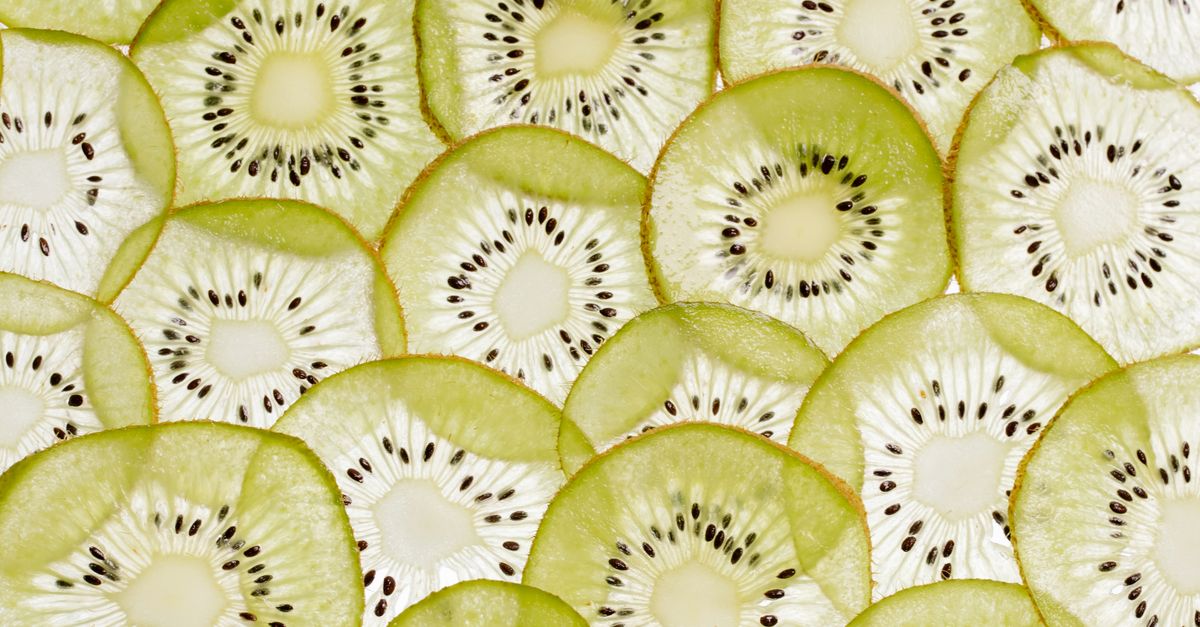
Yes, dogs can eat kiwi - the flesh is safe and provides vitamins C, K, and E as well as potassium. Always peel the fruit before serving, as the skin contains insoluble fibre that can cause digestive upset and tiny calcium oxalate crystals that irritate the mouth and gut. Never serve a whole kiwi - it is a choking hazard. Cut into small pieces and offer only occasionally as a treat.
Kiwi on the counter, dog beside you with those hopeful eyes - you know the look. Good news: you can share a piece. Kiwi is not harmful to dogs, and the flesh delivers a handful of useful nutrients. There is one rule, though - the fruit needs to be prepared properly before it reaches the bowl.
What does kiwi offer dogs nutritionally?
Kiwi packs a solid range of nutrients into a small package. Both the AKC and PetMD confirm that kiwi flesh is safe for dogs and provides:
- vitamin C - supports immune function
- vitamin K - important for healthy blood clotting and bone health
- vitamin E - antioxidant properties, supports skin and coat health
- potassium - supports muscle and nerve function
- fibre - aids digestion
A note of perspective, though: dogs produce their own vitamin C, and their nutritional needs differ from ours. Kiwi is a refreshing treat - not a supplement that replaces a balanced diet. Treat it accordingly.
Why you must remove the kiwi skin
This is the single most important rule with kiwi. The skin is not poisonous, but it causes two distinct problems:
- High insoluble fibre content - speeds up gut transit and can trigger diarrhea, bloating, or stomach cramps.
- Microscopic calcium oxalate raphide crystals - tiny needle-like crystals that can irritate the lining of the mouth and digestive tract.
Always peel the kiwi before giving it to your dog. This step is not optional.
| Part of the kiwi | Serve it? | Note |
|---|---|---|
| Flesh | Yes | Safe and nutritious - cut into pieces |
| Seeds (black) | Yes | Safe, too small to cause harm |
| Skin | No | Hard to digest, can irritate the gut lining |
| Whole kiwi | No | Choking hazard and blockage risk |
How to prepare kiwi for your dog
Simple steps:
- Wash the kiwi thoroughly under running water
- Peel the skin off completely - make sure no fragments remain
- Cut the flesh into small pieces or thin slices sized for your dog
- Start with one or two pieces the first time and watch how your dog responds
Never serve a whole kiwi. Even for a large dog, the whole fruit is a serious choking hazard and can cause an intestinal blockage.
How much is the right serving?
The same 10% rule applies here as with other fruits - treats should not exceed one tenth of daily calorie needs. Kiwi comes in at around 61 kcal per 100 g and is relatively sweet, so treat it as an occasional snack rather than a daily fixture.
Rough portion guide:
- Small dog (up to 10 kg) - 1-2 small pieces
- Medium dog (10-25 kg) - 2-4 pieces
- Large dog (over 25 kg) - a few slices
Dogs with diabetes, weight issues, or sensitive digestive systems should only receive kiwi after a conversation with your vet.
What to watch for after feeding kiwi
The first time you give your dog kiwi, keep an eye on them for a few hours. Signs to look out for:
- vomiting or diarrhea
- bloating, excessive drooling
- lethargy, loss of appetite
If any of these appear after eating kiwi, contact your vet. Every dog is different, and some may react to new fruits even when the food was prepared correctly.
Kiwi as part of a wider fruit menu
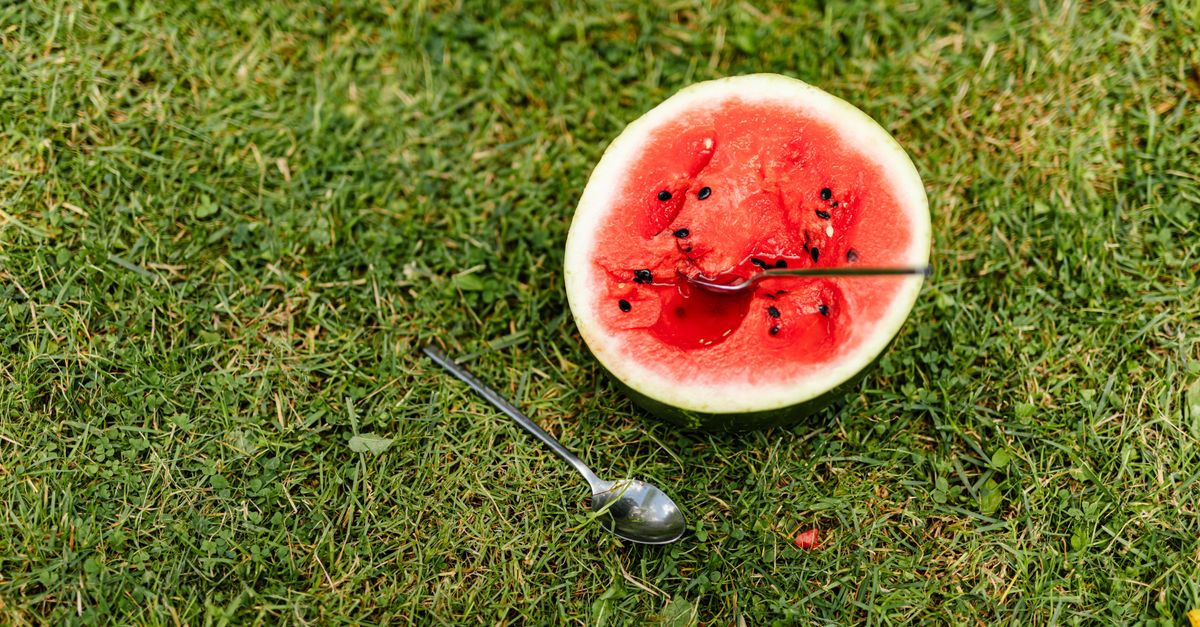
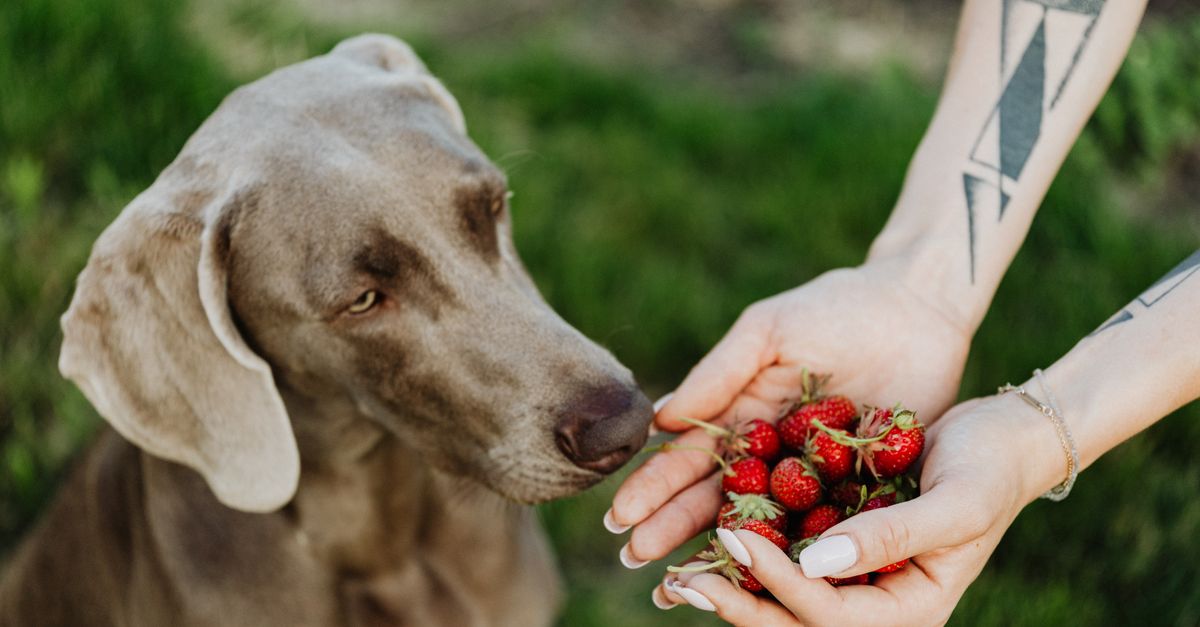
Kiwi works well as a bit of variety in your dog's snack rotation. Also worth checking: articles on watermelon and strawberries - two other safe summer fruits dogs enjoy. For a full rundown of safe and off-limits foods, see what dogs can and cannot eat.
One contrast worth knowing: grapes and raisins are highly toxic to dogs and can cause acute kidney failure even in small amounts. Kiwi is nothing like grapes - but it always helps to know where the real danger lines are.
This article is for informational purposes only. If you have any doubts about your dog's diet, always consult a veterinarian.
Kiwi prepped, pieces shared, dog satisfied - time to get out. Open DOGOUT and find a new spot to explore together. Fresh air, new smells, the pack on the move.
Frequently asked questions
- Is kiwi toxic to dogs?
- No, kiwi is not toxic to dogs. The flesh is safe as an occasional treat. The skin is not poisonous either, but it is hard to digest and can irritate the gut lining, so always remove it before serving.
- Can dogs eat kiwi skin?
- No, it is best to remove the skin. It contains high levels of insoluble fibre that speed up gut motility and may cause diarrhea or bloating. The skin also contains microscopic calcium oxalate raphide crystals that can irritate the mouth and digestive tract. Always peel kiwi before giving it to your dog.
- Are kiwi seeds safe for dogs?
- Yes, the small black seeds inside the kiwi flesh are safe for dogs. They are tiny enough that they do not pose a choking risk or cause intestinal blockages. You can serve the flesh together with the seeds.
- How much kiwi can I give my dog?
- Apply the 10% rule - all treats combined should not exceed one tenth of your dog's daily calorie intake. For a small dog, one or two small pieces is plenty. For a large dog, a few slices is fine. Start with a small amount the first time to see how your dog tolerates it.
- Can a diabetic dog eat kiwi?
- Kiwi contains natural fruit sugar that can affect blood glucose levels. Dogs with diabetes or weight issues should only receive kiwi after consulting a vet, and then only in very small amounts.
- Can puppies eat kiwi?
- With caution. A puppy's digestive system is more sensitive than an adult dog's. If you want to give your puppy kiwi, start with a minimal amount and watch for any reaction. When in doubt, check with your vet first.