Can Dogs Eat Raw Meat? Risks, BARF Diets and Safety Rules
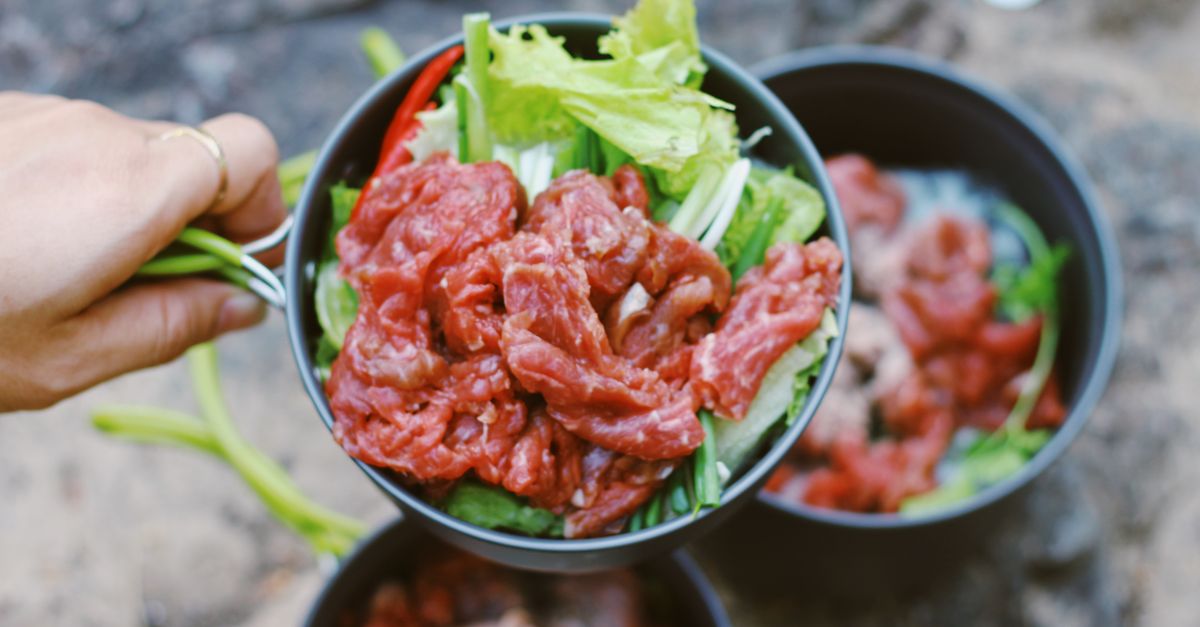
Dogs can eat raw meat, but it comes with real risk - bacteria such as salmonella, E. coli and campylobacter, parasites, and hazards linked to bones. Raw meat should never be the only thing on the plate - a BARF diet has to be properly balanced, ideally with input from a vet or a canine nutritionist. Puppies, senior dogs, pregnant dogs and dogs with weakened immune systems are at higher risk, and so are the humans in the household who handle the raw meat and clean up after the dog.
Dogs can eat raw meat, but it is not a risk-free choice. Raw meat can carry bacteria such as salmonella, E. coli and campylobacter, along with parasites, and a diet built mostly around meat can easily fall short on nutrition. Below is an honest look at the risks, what a BARF diet actually involves, and the rules worth knowing before you decide to feed raw.
Can dogs eat raw meat? The short answer
Yes, dogs are physiologically built to handle raw meat better than people - a shorter digestive tract and a more acidic stomach environment help neutralize some pathogens. That does not mean raw meat is risk-free. Bacteria and parasites present in raw meat are not always fully neutralized by a dog's digestive system, and some of them are a real risk to the humans living with that dog too. Feeding raw should be a considered choice, not a decision based on the idea that "this is what dogs eat in the wild."
What are the real risks of raw meat for dogs?
The main risks around raw meat fall into three groups: bacterial infection, parasites, and an incomplete diet.
Bacteria - raw meat, poultry especially, can carry salmonella, E. coli or campylobacter. A healthy adult dog's immune system often handles a small exposure fine, but infection can still cause diarrhea, vomiting, fever or lethargy. Some dogs become symptomless carriers, shedding bacteria in their stool and becoming a source of infection for other animals and people in the house.
Parasites - raw meat, and raw fish in particular, can carry parasite larvae or other pathogens. Freezing meat at a low enough temperature for long enough reduces this risk but does not eliminate it entirely - which is why fish deserves extra caution.
Incomplete nutrition - raw meat is mostly protein and fat, but it is missing the calcium, certain vitamins and trace minerals a dog needs to stay healthy. A diet made up of meat alone, fed over the long term, leads to deficiencies even if the dog looks fine in the short run.
What risk does each type of raw meat carry?
Not every meat carries the same risk. The table below gives a general picture - it does not replace judging the quality and source of the specific product in front of you.
| Type of meat | Main risk | What to watch for |
|---|---|---|
| Raw beef | Bacteria (E. coli, salmonella) | Freshness, sourcing, correct cold storage |
| Raw chicken | High risk of salmonella and campylobacter | Poultry is one of the most common carriers of both |
| Raw turkey | Similar risk profile to chicken | Same hygiene rules as poultry |
| Raw fish (e.g. salmon) | Parasites, risk of thiamine deficiency with constant feeding | Freezing reduces but does not remove parasite risk |
| Raw organ meat | High nutritional value, but also higher bacterial risk | Needs even more careful storage than muscle meat |
If you are weighing chicken specifically, we cover it in our article on can dogs eat chicken, and fish gets its own deeper look in can dogs eat salmon.
Raw bones vs. cooked bones - the difference that matters
This is one of the most commonly confused parts of raw feeding. Never feed cooked bones - heat treatment makes bone brittle, so it splinters into sharp fragments that can puncture the esophagus, stomach or intestine. That danger is real and well documented.
Raw bones are often presented as the safer alternative, since they are more flexible and less prone to shattering the same way. That does not make them risk-free - a raw bone can still crack a tooth, cause choking, or, if a dog swallows a large piece, lead to a blockage or perforation, especially in dogs that gulp rather than chew. Matching the bone's size and type to your specific dog, and supervising while they eat, matters here - if you are considering bones, run it by your vet first.
What is a BARF diet, exactly?
BARF stands for Biologically Appropriate Raw Food - a way of feeding a dog raw meat, bones, organs and sometimes a small amount of vegetables, in proportions meant to mirror what a dog's wild relatives would eat. The idea itself is not inherently wrong, but how safe it is depends entirely on how carefully it is balanced.
A common mistake is treating BARF as "just meat, plus a bone now and then" - over time that leads to shortfalls in calcium, phosphorus, B vitamins and other nutrients. A properly built BARF diet accounts for the right ratio of muscle meat, bone, organs and any additions, matched to a dog's age, weight and health status. This is not something to eyeball based on one article online - if you are considering a long-term switch to BARF, talk to your vet or a canine nutritionist who can help you get the ratios right and avoid deficiencies.
Who is at higher risk?
Some dogs - and some people in the household - are more exposed to the downsides of raw feeding than others.
- Puppies - their immune and digestive systems are still developing, which raises susceptibility to bacterial infection and means nutritional gaps in an unbalanced diet show up in growth faster than in an adult dog.
- Senior dogs - often carry a weaker immune system or chronic conditions that raise the risk of complications from bacterial infection.
- Pregnant and nursing dogs - need a precisely balanced diet, and the extra strain on the immune system raises the risk of complications.
- Dogs with weakened immunity or chronic disease - kidney, liver or pancreatic conditions, or immunosuppressive treatment, raise the risk of a severe infection.
- People in the household - children, older adults and anyone with a weakened immune system are more exposed to bacteria carried by raw meat, a dog's food bowl, or their stool.
In any of these cases, a conversation with your vet is worth having before you change what is in the bowl.
How to feed raw more safely, if you decide to
If you do decide to feed raw despite the risks, a few hygiene habits cut that risk down noticeably:
- Buy meat meant for direct consumption, ideally from a reliable supplier, and check the use-by date.
- Keep meat refrigerated and do not leave it at room temperature longer than necessary.
- Wash your hands, cutting boards and bowls after every contact with raw meat, the same way you would when cooking for people.
- Do not let young children handle raw meat for the dog, and keep them away from the bowl right after a raw meal.
- Clean up after your dog promptly and thoroughly - stool is one of the main ways bacteria spread around a household.
- Watch your dog after introducing a new type of meat - diarrhea, vomiting or lethargy is a signal to stop and call your vet.
None of these steps remove the risk entirely - they reduce it, but raw feeding always carries a level of uncertainty that heat-treated food does not.
Instead of one universal answer - ask a professional
Raw feeding divides opinion among owners and vets alike, and there is no single, universal answer - it depends on the specific dog, their health, and exactly how well-balanced the diet is. Before you make raw meat a permanent part of the menu, talk to your vet or a canine nutritionist who can weigh the risk against your dog's age, weight and health history. For the full picture of what dogs can safely eat and what to avoid regardless of how it's prepared, see our guide on what dogs can and cannot eat.
Whatever diet you land on, your dog also needs exercise and company to burn off what is in the bowl. Check the DOGOUT map for spots near you where your dog can run and explore, and see who else is out walking nearby - a well-planned meal is only half the job, the other half happens outside.
Frequently asked questions
- Can dogs eat raw meat every day?
- Dogs are built to handle raw meat a bit better than humans - a shorter digestive tract and a more acidic stomach environment. That does not remove the bacterial risk or turn raw meat into a complete meal on its own. If you plan to feed raw long-term, the diet needs to be balanced for protein, fat, calcium and micronutrients - ideally worked out with a canine nutritionist.
- Is raw chicken safe for dogs?
- Raw chicken carries a higher risk of salmonella and campylobacter than most other meats - poultry is one of the most common sources of both. If you do feed raw chicken, buy from a reliable supplier, store it correctly, and keep strict kitchen hygiene when handling it.
- Can dogs eat raw bones?
- Never feed cooked bones - cooking makes them brittle, so they splinter into sharp fragments that can injure the throat or gut. Raw bones are sometimes presented as the safer option because they flex rather than shatter, but they still carry real risk - broken teeth, choking, or a blockage or perforation if a dog swallows a large piece whole. Talk to your vet about size and type before offering bones.
- Is a BARF diet healthier than commercial dog food?
- There is no clear evidence that a BARF diet is healthier than a well-formulated commercial food - both can work if they are properly balanced. The risk with BARF is that a homemade, meat-heavy diet quietly becomes incomplete in calcium, phosphorus or vitamins, and that catches up with a dog over months, not days. A correctly built BARF diet takes real knowledge or professional guidance.
- Which dogs should avoid raw meat?
- Puppies, senior dogs, pregnant or nursing dogs, and dogs with a weakened immune system or kidney, liver or pancreatic disease are all at higher risk of complications from raw meat. In any of these cases, talk to your vet before introducing raw feeding.
- Can raw dog food make people in the house sick?
- Yes, indirectly. Raw meat and the stool of a raw-fed dog can carry bacteria like salmonella or E. coli, which spread through kitchen surfaces, food bowls, or unwashed hands. Children, older adults and anyone with a weakened immune system in the household are more exposed, so hygiene around raw feeding matters for the whole family, not just the dog.