Can Dogs Eat Tomatoes? Ripe Is Fine, Green Is Dangerous
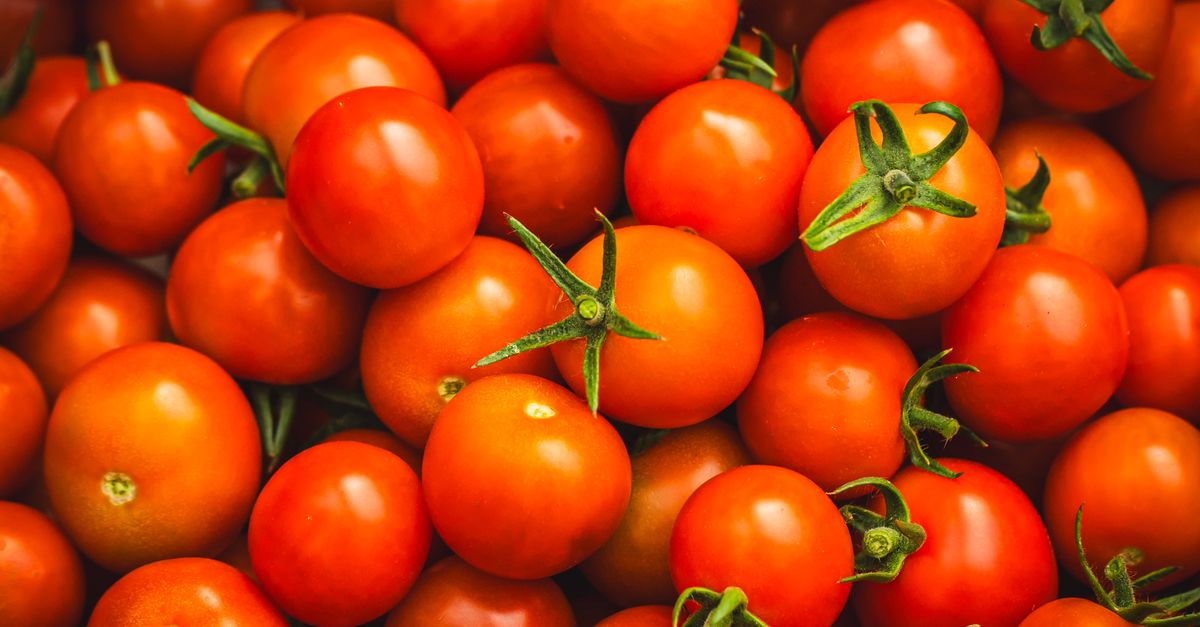
Ripe red tomatoes are safe for dogs in moderation - they contain fibre, antioxidants, and potassium. Green tomatoes, unripe tomatoes, and all parts of the tomato plant (leaves, stems, and unripe fruit) contain tomatine, a toxin that can cause serious symptoms. If your dog has access to a garden with tomato plants, keep them fenced off.
The tomato question catches owners off guard, because the answer splits down the middle. Ripe red tomato - fine in moderation. The green bits, the unripe tomatoes, the leaves, the stems - genuinely dangerous. Here is everything you need to know to get it right.
Ripe tomatoes: safe and actually nutritious
Fully ripe, red tomatoes are not toxic to dogs. They offer a modest but real set of nutrients:
- fibre - supports healthy digestion
- lycopene - an antioxidant linked to reduced cell damage
- vitamin C - supports the immune system
- potassium - important for muscle and heart function
- beta-carotene - beneficial for vision and immune health
The key qualifier is "in moderation." Tomatoes are acidic. In large amounts, even ripe tomatoes can cause stomach upset, loose stools, or vomiting - particularly in dogs with sensitive digestive systems. A few small pieces as an occasional addition to food or as a treat is the appropriate amount.
Green tomatoes, leaves, and stems: the tomatine problem
Here is where it gets serious. Tomatoes belong to the nightshade family, and like other nightshade plants they produce a protective toxin. In tomatoes, that toxin is called tomatine.
Tomatine is present throughout the entire tomato plant: the leaves, the stems, and the unripe fruit. As the tomato ripens and turns red, the tomatine level drops significantly - which is exactly why ripe red tomatoes are safe but unripe green ones are not.
There is no safe level of exposure to the leaves and stems. Even a small amount of chewed tomato plant foliage can cause toxicity symptoms. The same applies to green tomatoes, regardless of whether they are small or large.
Symptoms of tomatine toxicity in dogs
If your dog has eaten green tomatoes, leaves, or stems, watch for:
- excessive drooling or hypersalivation
- vomiting and diarrhoea
- loss of appetite
- weakness and lethargy
- muscle tremors
- dilated pupils
- slowed heart rate
- incoordination
Symptoms can develop within a few hours. Severity depends on how much was eaten relative to the dog's body weight - a small dog that chews through a handful of tomato leaves is in a much more serious situation than a large dog that tasted one leaf.
Dogs with garden access: a real and common risk
This is not a theoretical concern. Tomatoes are one of the most commonly grown vegetables in domestic gardens, and dogs left unsupervised in a garden will often investigate and sample plants. The attractive smell of tomato foliage is enough to draw many dogs in.
If you grow tomatoes, fence them off securely. A basic vegetable bed barrier is not always enough - a determined dog can push through low fencing or reach over it. Use a proper enclosure that prevents nose-to-leaf contact, not just access to the soil.
If you suspect your dog has been grazing on the tomato patch, check for chewed leaves or stems, and watch for any of the symptoms above even if your dog seems fine immediately after.
A quick comparison
| Part of tomato | Safe? | Notes |
|---|---|---|
| Ripe red tomato (flesh) | Yes, in moderation | Low tomatine; nutritious in small amounts |
| Cherry tomato (fully ripe) | Yes, halved | Confirm fully red inside before serving |
| Green/unripe tomato | No | High tomatine content |
| Yellow/orange tomato (ripe) | Small amounts | Lower lycopene; still acidic; not toxic if ripe |
| Tomato leaves | Never | High tomatine throughout |
| Tomato stems | Never | High tomatine throughout |
| Tomato sauce / ketchup | No | Added salt, sugar, garlic, onion |
| Sun-dried tomatoes | Avoid | Highly concentrated; often seasoned |
How to serve ripe tomato safely
Preparation is simple:
- Choose fully ripe, red tomatoes. No green patches, no unripe sections.
- Remove all leaves and stems completely before bringing the tomato near your dog.
- Wash the tomato to remove any surface residues.
- Cut into small pieces. Bite-size chunks reduce choking risk and let you see whether the inside is fully ripe.
- Serve plain. No salt, no oil, no dressing.
- Start small. Give one or two pieces the first time and watch for any signs of stomach upset over the next few hours.
For a complete view of which vegetables and fruits are safe, see our guide to what dogs can and cannot eat. Tomatoes and potatoes are both nightshade family plants with similar safety patterns - see can dogs eat potatoes for the parallel breakdown. The full list of foods toxic to dogs covers the broader picture of garden plants and common household foods.
This article is for informational purposes only. If your dog has eaten tomato plant leaves, stems, or green tomatoes and shows any symptoms, contact a veterinarian promptly. Do not wait to see if it passes.
If tomato season means your garden is busy with a curious dog, DOGOUT can also help you find dog-friendly parks and green spaces where they can sniff something a little less risky.
Frequently asked questions
- Can dogs eat tomato sauce or ketchup?
- No. Tomato-based sauces and ketchup typically contain added salt, sugar, onion, garlic, and other seasonings that are harmful to dogs. Even if the tomato base itself is ripe and safe, the additives make these products unsuitable for dogs.
- How many tomatoes can I give my dog?
- A few small pieces of ripe tomato as an occasional treat is fine for most healthy dogs. Tomatoes are acidic - large amounts can cause stomach upset even in dogs that tolerate them well. Keep tomato treats infrequent and small.
- My dog ate a green tomato from the garden - what should I do?
- Monitor your dog closely. A small amount may cause mild stomach upset. If your dog ate a large quantity, or shows symptoms such as drooling, vomiting, weakness, or unusual behaviour, contact your vet. The same applies if the dog chewed on leaves or stems.
- Can dogs eat cherry tomatoes?
- Yes, if they are fully ripe and red. Cut them in half or quarters to reduce the choking risk and to make sure they are fully ripe inside. Never give partially green cherry tomatoes.
- Are tomatoes safe for dogs with kidney disease?
- Tomatoes contain potassium and oxalates, which may need to be restricted in dogs with kidney disease. If your dog has any kidney or urinary issues, ask your vet before adding tomato to their diet.