Clicker Training Basics - A Simple Step-by-Step Start
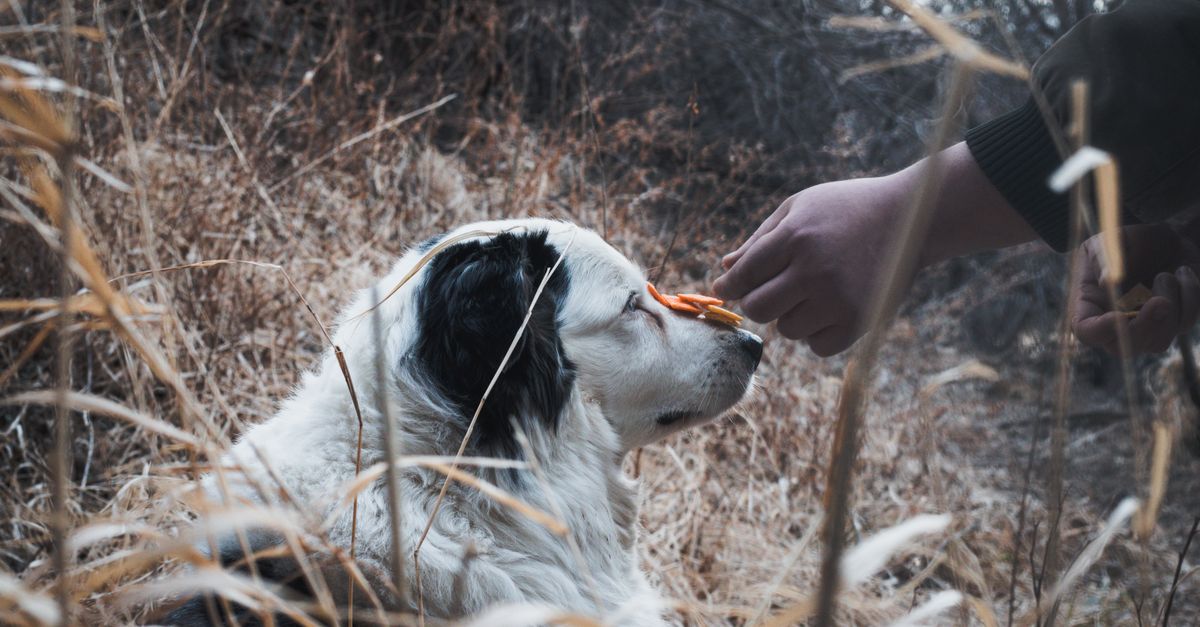
Clicker training is a reward-based method where a short click sound marks the exact moment your dog did something right, and a treat follows immediately. The precise timing helps the dog understand what earned the reward. You start by charging the clicker (click = treat), then click at the instant of the correct behaviour.
Want to teach your dog faster and without raising your voice? Clicker training is one of the simplest methods you can master at home. The secret is not the gadget itself - it is that you give your dog a crystal-clear message in a split second: what you just did was right. The rest is treats and a little patience.
What clicker training is and why it works
A clicker is a small box that makes a short "click" when pressed. On its own it means nothing - until you connect it in your dog's mind with a reward. Once you do, the click becomes a marker: a precise "yes, that exact thing".
Why is that better than just saying "good boy"? Timing. A dog does dozens of things in a second - sits, looks, shifts a paw. Reward late and it may not link the click to the right moment. The click lands exactly on the behaviour, so the message is unambiguous.
Step 1: Charge the clicker
Before you teach anything, the dog has to learn that click = treat. This is called charging the clicker.
- Grab a handful of small, soft treats.
- Click once and immediately hand over a treat. The dog does not have to do anything.
- Repeat 15-20 times in a calm spot.
- Test it: click when the dog is not looking. If it turns to you expecting a treat, the clicker is charged.
Step 2: Capture the first behaviour
Now you teach something concrete. "Sit" is the easiest start, because most dogs sit on their own if they just wait a moment.
- Wait until the dog sits on its own (or lure a treat back over its nose).
- The moment its rear touches the floor - click - and treat.
- Repeat a few times. When the dog starts sitting to trigger the click, add the word "sit" just before it sits.
The rule you must never forget: every click must be paid with a reward, even if you clicked by mistake. Otherwise the marker loses its meaning.
Common beginner mistakes
| Mistake | Why it hurts | Fix |
|---|---|---|
| Clicking to call the dog | The clicker is a marker, not a remote | Click after behaviour, not to trigger it |
| Double clicking | Blurs the timing | One click = one behaviour |
| Click without a treat | The marker stops working | Always treat after a click |
| Sessions too long | Dog gets bored and gives up | 2-5 minutes, several times a day |
| Nagging the cue | Dog learns to ignore the word | Say it once, wait, mark the success |
Shaping - teach in small steps
The clicker really shines with shaping - rewarding successive, ever-closer approximations of the target behaviour. You do not wait for the whole thing at once; you click small steps in the right direction.
Example: teaching your dog to go to a mat.
- Click for just looking toward the mat.
- Once that works, click only for a step toward it.
- Then for one paw on it, two paws, the whole body, and finally lying down.
Each stage gets its own clicks, and you only raise the bar once the dog nails the current level. This teaches the dog to problem-solve and try - and a dog like that learns everything that comes later faster.
What you can teach with a clicker
Practically anything you can mark at a precise moment:
- Basic cues: sit, down, stay, come.
- Walking without pulling (click for a loose leash).
- Settling on a spot instead of barking at a trigger.
- Tricks and games that build focus.
- Ignoring distractions on a walk.
Important: the clicker marks what is already happening, so you first have to get the behaviour - by luring, shaping or patiently waiting - and only then reward it.
When to drop the clicker
The clicker is scaffolding, not a permanent fixture. Once your dog performs a cue confidently on the word in a few places, you move to random rewards (not every time) and put the clicker away. You only bring it back for the next new thing - and there is always a next thing. After the basics, a natural step is teaching recall, then paw and other tricks that build focus and bond.
If you are just starting out, check how to teach your dog to sit - the perfect first task for a clicker.
Training is not only the living room
Real focus is built in motion and in new places, not just on the living-room rug. Take the clicker on a walk, do short reps while exploring a new route, and you tie learning to what your dog loves most: being outside with you. Get out, find a new place, and turn it into a quick session.
Frequently asked questions
- Does clicker training work for every dog?
- Yes. It works for puppies, adults and seniors, working and companion breeds. It is learning through reward, so the only requirement is that your dog likes treats or play.
- Do I have to use the clicker forever?
- No. The clicker is a tool for the learning phase. Once the dog knows a cue, you switch to a word or gesture and put the clicker away. Bring it back when you teach the next new thing.
- What can I use instead of a clicker?
- A short, consistent marker word like 'yes', or a tongue click. What matters is that the sound is short, clear and always predicts a reward.
- How long should a session be?
- Short - 2 to 5 minutes, several times a day. Short, frequent sessions teach better than one long one where the dog gets bored or tired.
- What if I click at the wrong moment?
- No harm done - you still give the treat (a marker must always be paid). Just aim for better timing next time. Your timing improves with practice.