Conjunctivitis in Dogs: Symptoms, Causes and What to Do
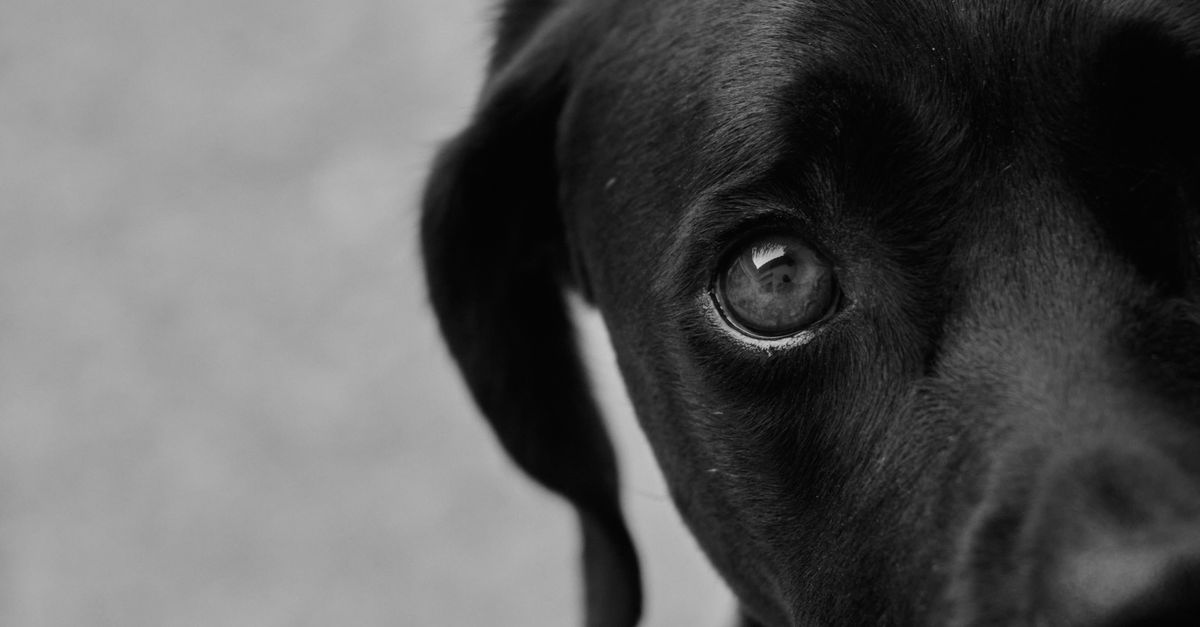
Conjunctivitis in dogs shows up as redness, watery eyes, discharge and squinting or blinking more than usual. The most common causes are allergies, irritation (dust, wind, fur), a foreign body under the eyelid, or a bacterial or viral infection. Mild, brief redness with no discharge can be watched for 24 hours while flushing the eye with sterile saline. See a vet if you notice pus-like discharge, the dog is squinting from pain, the cornea looks damaged, or symptoms do not improve with home care - only a vet can pick the right drops and rule out something more serious.
A red, watery dog eye can be alarming - and for good reason, since conjunctivitis in dogs ranges from a minor post-walk irritation to a sign of something more serious. The key is recognizing the symptoms and knowing when home care is enough versus when you need a vet.
What is conjunctivitis in dogs?
The conjunctiva is a thin, pink mucous membrane that lines the inside of the eyelid and covers the white part of the eyeball. When it gets irritated or infected, it turns red, swells, and starts producing extra discharge - that is conjunctivitis. It can affect just one eye, usually pointing to a foreign body or a local injury, or both eyes at once, which more often suggests an allergy or a systemic infection.
What are the symptoms of conjunctivitis in dogs?
Symptoms range from mild redness to clear discomfort. It is worth looking at the whole picture rather than a single sign:
| Symptom | What it suggests |
|---|---|
| Redness of the eye white and eyelids | The core sign of inflammation |
| Watery or clear discharge | Common with allergies and irritation |
| Thick, yellow or green discharge | Suggests a bacterial infection |
| Frequent blinking or squinting | Discomfort or pain |
| Swollen eyelid | Stronger inflammation or injury |
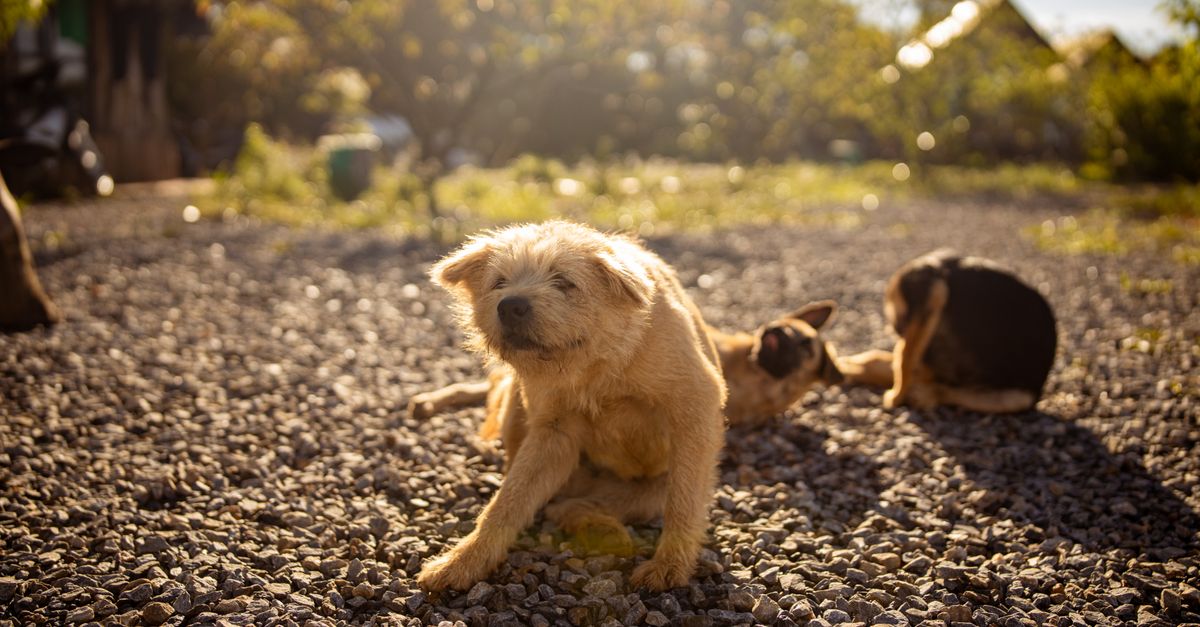
| Pawing at the eye or rubbing on furniture | Itching or pain, risk of further injury |
| Cloudy or hazy cornea | Possible eye damage - see a vet promptly |
If your dog also avoids bright light, seems lethargic, or stops opening the eye at all, that is a sign the situation needs a prompt consultation rather than more watching at home.
What causes conjunctivitis in dogs?
There are several possible causes, and knowing which one applies shapes what you do next:
- Allergies - to pollen, household dust, mites or cigarette smoke. Usually affects both eyes and can be seasonal, often alongside itchy skin - see our guide to dog allergies for more.
- Mechanical irritation - sand, strong wind, chemicals (shampoo, construction dust), or long fur rubbing against the eyeball, especially in breeds with heavy hair around the muzzle.
- A foreign body under the eyelid - a blade of grass, a grain of sand, or an insect. Usually affects one eye and appears suddenly after a specific walk.
- Bacterial or viral infection - often secondary to another irritation, producing thicker, pus-like discharge.
- Eyelid conformation issues - entropion (an inward-rolling eyelid) or excess skin folds in some breeds predispose to chronic inflammation.
- Dry eye syndrome - reduced tear production, more common in older dogs, leading to ongoing irritation.
When can you wait, and when should you see a vet?
Not every red eye is an emergency, but the distinction matters for your dog's eye health. Watch for these warning signs:
- Thick, pus-like discharge - yellow or green, crusting the eyelids after sleep
- Clear pain - squinting, avoiding touch, general restlessness
- Cloudiness or corneal damage - a visible grey or white patch on the eye
- Symptoms lasting longer than 24-48 hours despite saline rinses
- Only one eye affected and it came on suddenly - suspected foreign body needs a vet check
- Growing eyelid swelling, or the dog starts keeping the eye shut all the time
In these cases, do not wait it out - untreated conjunctivitis, especially with corneal damage, can worsen quickly and put your dog's eyesight at risk.
How can you help your dog at home before seeing a vet?
For mild, fresh irritation without pus-like discharge, a few simple steps can help:
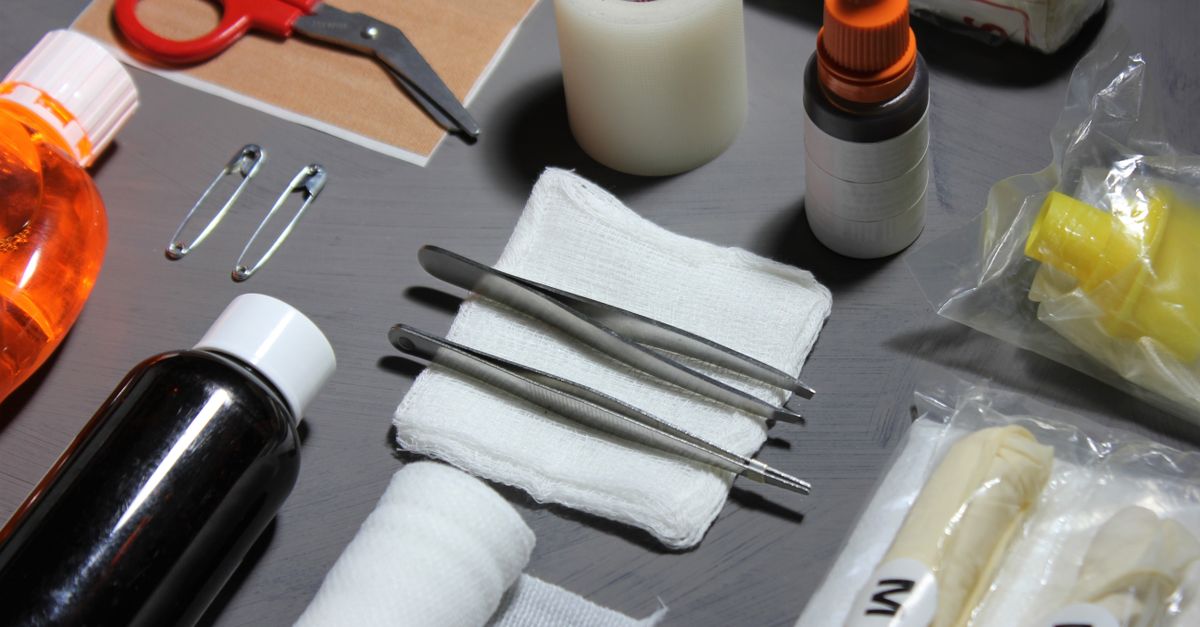
- Flush the eye with sterile saline solution - gently, with clean gauze, wiping from the inner corner outward, using a fresh piece of gauze for each eye.
- Stop the dog from pawing at the eye - use a protective cone if needed to prevent further injury.
- Watch the discharge and behavior for 24 hours - note whether things are improving or getting worse.
- Skip home remedies like tea, honey or human eye drops - some of these can irritate the eye further or mask a more serious problem.
- Do not give any medication without a vet's guidance - the right eye drops for dog conjunctivitis depend entirely on the underlying cause, and the wrong choice can worsen corneal damage.
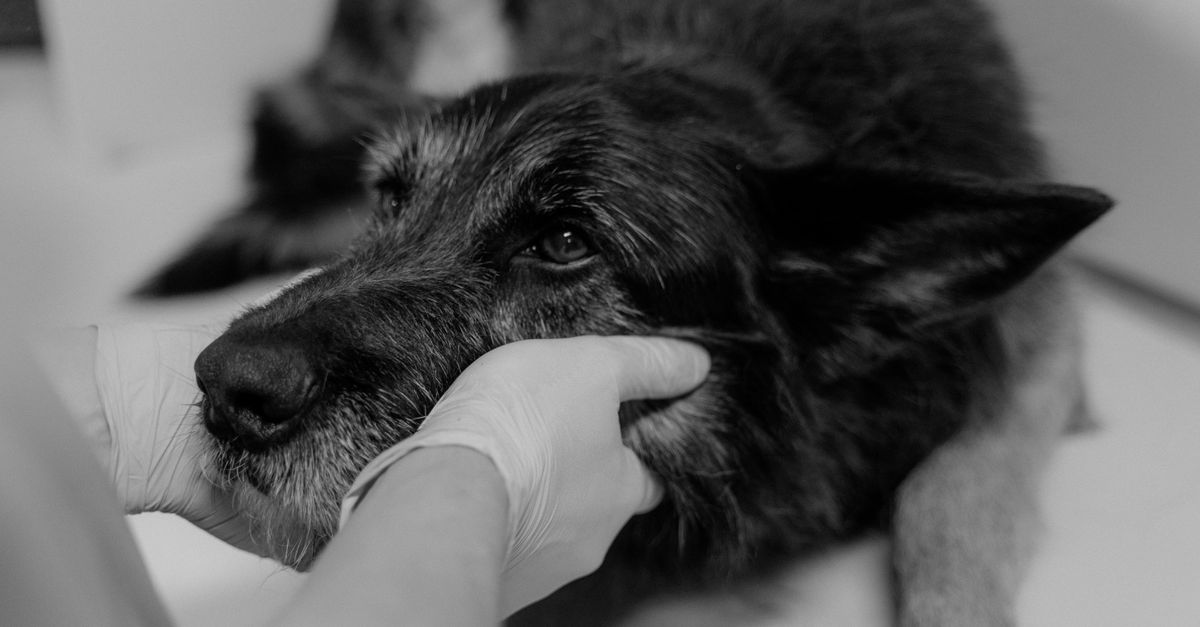
If symptoms do not improve or get worse, the next step is a vet visit. They will examine the eye closely, possibly stain it with fluorescein to rule out corneal damage, and then prescribe the right drops or ointment.
How can you prevent conjunctivitis in dogs?
You cannot eliminate the risk entirely, but a few habits genuinely lower it:
- Trim fur around the eyes on long-haired breeds so hair does not rub against the eyeball.
- Avoid walks in strong, sandy or dusty wind when possible, and rinse your dog's eyes after such walks if you cannot avoid them.
- Keep your dog away from cigarette smoke and strong chemicals at home.
- Check the eyes regularly during normal grooming so you catch the first sign of redness early.
- If your dog has a known allergy, ask your vet whether it needs ongoing eye care as part of managing it.
Healthy eyes are the foundation for a dog to fully enjoy the world on a walk - which is exactly what DOGOUT is built for. Once your dog's eyes are back to normal, check the DOGOUT map - you will find spots flagged by other owners and local pack members you can arrange a walk with. If you have any doubts about your dog's eye condition, always talk to a vet - they are the ones who can make an accurate diagnosis and choose safe treatment.
Frequently asked questions
- What does conjunctivitis look like in dogs?
- The conjunctiva - the pink membrane lining the eyelid and covering the white of the eye - turns noticeably red or swollen. The eye may water, produce clear, mucous or pus-like discharge, and your dog will blink more, squint, or rub the eye against the floor or furniture.
- Does conjunctivitis in dogs clear up on its own?
- Mild irritation - from sand, dust or a windy walk, for example - sometimes resolves on its own within a day, especially if you flush the eye with saline. If redness, discharge or squinting last longer than 24-48 hours, or get worse, it is time for a vet visit rather than more waiting.
- What eye drops treat conjunctivitis in dogs?
- This should always be decided by a vet after examining the eye, ideally with a slit lamp or fluorescein stain. Antibiotic, anti-inflammatory or lubricating drops are matched to the specific cause - the wrong product can make things worse, especially if there is corneal damage. Sterile saline for rinsing is the only thing safe to use without a prescription.
- What causes conjunctivitis in dogs?
- Common causes include allergies (pollen, household dust, smoke), mechanical irritation (sand, wind, long fur rubbing the eye), a foreign body trapped under the eyelid, bacterial or viral infection, and in some breeds, eyelid conformation issues such as entropion or dry eye syndrome.
- Is conjunctivitis in dogs contagious to other dogs?
- Allergic or irritation-based conjunctivitis is not contagious. If a viral or bacterial infection is the cause, though, eye discharge can spread the pathogen through close contact or shared toys - so it is worth keeping an affected dog away from others during treatment and washing your hands after touching the eye.
- Is conjunctivitis painful for dogs?
- Simple redness is usually just uncomfortable, but stronger inflammation, swelling or corneal damage can be genuinely painful - the dog will squint, avoid light, paw at the eye, or seem restless. Pain is always a reason not to wait on a vet visit.