Dog Destructive When Home Alone - Why It Happens and What to Do
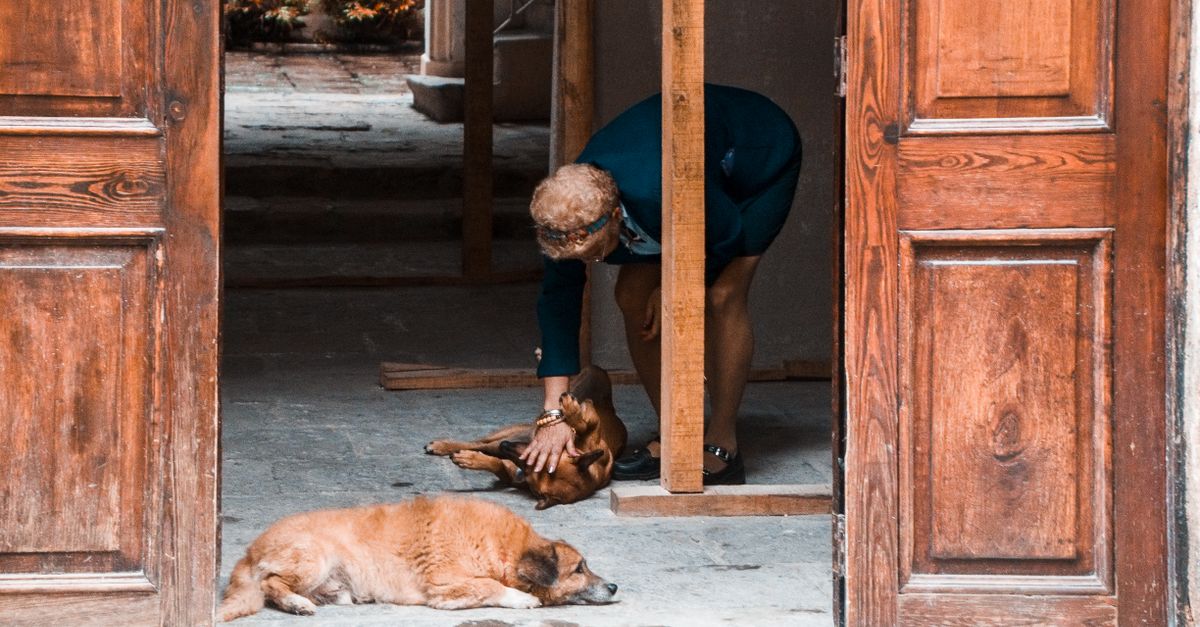
Destruction while you are away usually has one of two causes: boredom with excess energy, or separation anxiety. Boredom eases when the dog gets more exercise, sniffing and things to do during alone time. Separation anxiety is a stress state that needs gradual desensitisation to departures, and often a behaviourist. Punishment after you get home does not work and makes it worse.
You come home to a chewed shoe in the hallway, a scratched door frame and scattered trash. The first reaction is often anger - but the key question is different: why is the dog doing it. Because the answer decides what will actually help. Destruction is not a character flaw, it is a message.
The two main causes
In most cases it is one of two things - and they are treated completely differently.
| Feature | Boredom / excess energy | Separation anxiety |
|---|---|---|
| When it starts | After a longer time alone | Right after you leave |
| What gets destroyed | Random things, trash, toys | Doors, windows, exit points |
| Mood | Bored, looking for something to do | Panicked, stressed |
| Extra signs | Rarely | Howling, drooling, stress peeing |
| What helps | More exercise and enrichment | Desensitisation, often a pro |
The simplest test: leave a camera or phone recording and watch the first 30 minutes after you leave. A dog that panics in the first minutes is a different case from a dog that shreds a cushion out of boredom after an hour.
When it is boredom and excess energy
Good news here: the fix is in your hands and it is enjoyable for both of you.
- A proper walk before you leave. A dog tired from movement and sniffing is more likely to just sleep. Distance is not everything - sniffing and exploring matter. See our piece on how to make dog walks better.
- Enrichment for alone time. A snuffle mat, a Kong stuffed with wet food, treat-dispensing toys. Nose work tires a dog more than you think.
- Remove temptations. Shoes, bin, cables - tidy them away while you work on the problem. Prevention is half the battle.
- Check the dog is simply under-exercised. Many "problems" vanish once a dog gets the movement its breed and age need. See hyperactive dog.
When it is separation anxiety
This is no longer about entertainment, it is about emotion. The dog genuinely suffers when left alone, and one Kong will not change that. The foundation is desensitisation - gradually teaching the dog that departures are short and safe, without ever pushing it into panic.
- You start with seconds behind the door, not minutes.
- You break down departure cues (keys, shoes, jacket) so they stop predicting separation.
- You never let full panic happen - every such session sets you back.
Because this deserves its own careful work, read the dedicated guide: dog separation anxiety. If you see panic from the first minutes, do not delay a behaviourist consult, and have a vet rule out medical causes.
Enrichment for alone time - concrete ideas
Whether the root is boredom or work on anxiety, the right activity helps a dog handle alone time more calmly. A few proven options:
- A stuffed Kong or chew filled with wet food and frozen - it lasts longer and calms the dog.
- A snuffle mat or treats scattered in a box to search through.
- Interactive toys that release food for nose and paw work.
- Radio or TV softly in the background - for some dogs a sound backdrop lowers tension.
- Toy rotation - hide some and swap every few days so they do not go stale.
The rule: with separation anxiety these activities support the work but do not replace it. A panicking dog often will not touch a Kong at all - and that itself is a sign the problem runs deeper.
How to gradually extend alone time
If the recording shows your dog copes up to a point and then struggles, work just below that line:
- Find how many minutes in the unease appears.
- Practise absences shorter than that time, so the dog ends them calm.
- Extend little by little, not in jumps, watching the reactions on the recording.
- Bad day? Step back rather than push.
Patience beats hurry here. A few calm repetitions a day do more than one long, stressful attempt.
What not to do
- Do not punish after you get home. The dog does not connect punishment to damage from an hour ago.
- Do not make a drama of goodbyes and greetings. Calm exits and entries lower the emotional stakes.
- Do not assume it will pass. Without work the problem usually sets in.
The key is a fulfilled dog
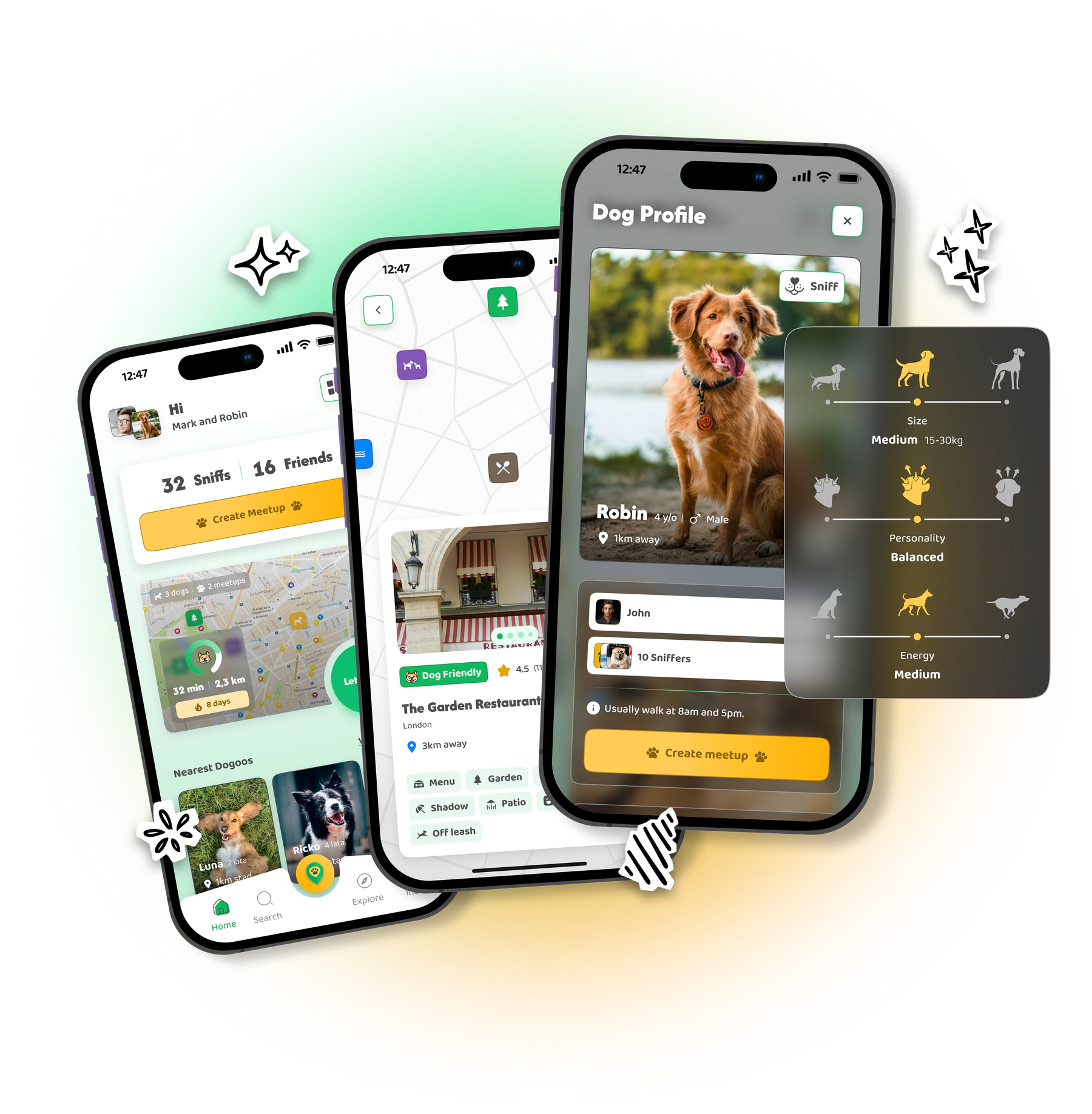
A dog that gets enough movement, sniffing and contact with the world is far less likely to work out its frustration on your furniture. Instead of another loop around the block - a new route, a forest, water, a meetup with another dog. Get out, give your dog a real day outside, and by the evening you will see the difference yourself.
Frequently asked questions
- Is my dog being destructive out of spite?
- No. Dogs do not act out of revenge or spite. Destruction comes from boredom, excess energy or stress. Looking for 'spite' leads you astray - it is better to work out which of those is at play.
- How do I tell boredom from separation anxiety?
- Boredom shows up after a longer time and in random places. Separation anxiety starts right after you leave, is intense, and the damage clusters at doors and windows. The easiest check is to record the dog for the first 30 minutes.
- Will punishment after I get home help?
- No. The dog will not link punishment to damage from an hour ago - it only links it to your return. That raises tension and, with separation anxiety, clearly makes things worse.
- Will a crate solve it?
- Not on its own. For a dog with separation anxiety, being confined can heighten panic. A crate only helps if the dog is calmly used to it and sees it as a safe den.
- When should I see a professional?
- When you see signs of panic (drooling, howling from the first minutes, self-injury, escape attempts) or when your own efforts do not help. A behaviourist will build a plan, and a vet will rule out medical causes.