Dog Separation Anxiety - How to Recognise It and How to Actually Help
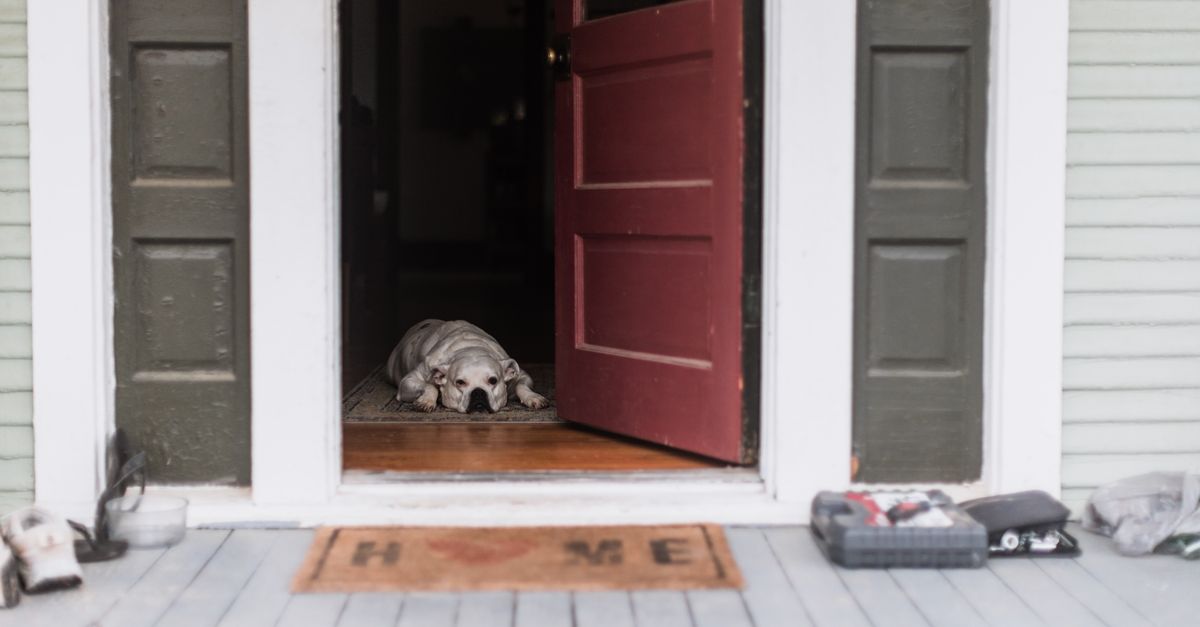
Separation anxiety is a condition where a dog experiences intense distress when left alone or away from its owner. Signs include howling, destructive behaviour, and stress toileting. Treatment is based on gradual desensitisation to short absences and departure cues. In severe cases, help from a vet or certified behaviourist is essential - and sometimes medication is part of the plan.
You leave the house and already hear howling at the door. You come back to a chewed cushion, a toilet accident, or claw marks on the paintwork. The neighbour texts to say the dog barked for two hours straight. This is not "acting out" or stubbornness - this is a dog in genuine distress. And there is real help available.
How to Recognise Separation Anxiety
Not every bark or bit of destruction is separation anxiety. Key features that distinguish it from boredom or under-stimulation:
| Sign | Separation anxiety | Boredom / lack of stimulation |
|---|---|---|
| When it appears | Immediately after owner leaves | After a longer period |
| Intensity | High - dog is desperate | Moderate |
| What precedes it | Shadowing owner, anxiety at departure prep | Nothing characteristic |
| Where damage occurs | By doors, windows, entry points | Random locations |
| Other symptoms | Drooling, vomiting, stress toileting | Rarely |
The simplest way to assess: leave a camera or recording phone at home and watch what happens in the first 15-30 minutes after you leave.
Signs to Watch For
A dog with separation anxiety may show various combinations of:
- Intense howling, barking, or whimpering immediately after you leave
- Destruction - particularly near doors and windows
- Defecation or urination despite being walked regularly
- Excessive shadowing - following the owner from room to room
- Strong agitation before the owner leaves - panting, trembling, lying against the door
- Loss of appetite during the owner's absence
Important: some of these behaviours can have other medical causes. Before starting a behaviour programme, it is worth ruling out health issues with your vet.
What Does NOT Help - and Why
Before getting to what works, a few things to avoid:
- Punishment after returning. The dog does not understand what it is being punished for - only that the owner's return is associated with something unpleasant. This intensifies anxiety.
- Dramatic departures and arrivals. Long goodbyes or over-excited greetings raise the emotional stakes of separation.
- Hoping it resolves on its own. Separation anxiety does not go away without work. Without behaviour modification, it typically becomes entrenched.
Desensitisation - Gradual Exposure to Absences
Desensitisation is the foundation of treatment for mild to moderate separation anxiety. The goal is for the dog to learn that the owner's absence is brief and safe - and to never reach a state of panic during practice sessions.
How to Start
- Begin with seconds, not minutes. Step outside for 3-5 seconds, return calmly before the dog has time to become distressed.
- Extend gradually. Do not rush - if the dog reacts after 30 seconds, go back to shorter intervals.
- Desensitise departure cues. Many dogs start to panic at the sight of keys or shoes. Practise daily: pick up keys, sit back down. Put on a jacket, do not leave. Stand at the door - then come back. The cues stop predicting separation.
- Build a positive association with your absence. Leave a special chew or stuffed Kong available only during your absence.
Managing the Environment
While doing desensitisation work, it is important that the dog does not reach panic during real absences. Every panic session reverses progress. If you need to be away for longer than the dog can currently handle:
- Arrange a dog-sitter or ask a trusted person to stay
- Consider doggy daycare (if the dog enjoys other dogs)
- Ask a neighbour for a mid-day check-in
When Professional Help Is Needed
Separation anxiety exists on a wide spectrum of severity. Consultation with a certified behaviourist or veterinary behaviourist is essential when:
- The dog is injuring itself (chewing paws, breaking through windows)
- Symptoms are intense - several minutes of panic immediately after departure
- Self-directed desensitisation shows no improvement after several weeks
- The dog has a history of trauma or was adopted from a shelter with an unknown background
In more serious cases, a specialist may recommend a behaviour programme combined with medication. Medication is not giving up - it allows the dog to work on its emotions in a lower state of arousal, which accelerates learning.
For more on reactive and anxious dog behaviour, see our articles on dog aggression and how to stop dog barking.
Working through separation anxiety is a marathon - but it has a finish line. Dogs with even serious anxiety can learn to stay home calmly when the work is methodical and unhurried. And when your dog gets there, you will both leave the house without that weight of mutual worry. Check the DOGOUT map to find a new place to explore together today - because every calm, confident walk is part of the same process.
Frequently asked questions
- How do I know if it's separation anxiety or just boredom?
- Separation anxiety starts almost immediately after you leave - the dog is in distress, howling or destructive within the first few minutes. Boredom tends to appear after a longer time and with less intensity. Leaving a camera running while you are out will quickly clarify what is actually happening.
- Does punishing destruction help?
- No. A dog cannot connect a punishment delivered after the owner's return to something it did an hour ago. Punishment makes the situation worse - it increases stress and can intensify anxiety. The dog is not being spiteful; it is frightened.
- How long does treatment take?
- Mild cases often improve within a few weeks of consistent work. Serious separation anxiety can require several months, and sometimes pharmacological support prescribed by a vet. There is no single answer - pace depends on the individual dog, its history, and consistency of the work.
- Can I still leave the dog alone while working on desensitisation?
- Every session where the dog reaches panic level sets back progress. If you must leave for longer than the dog can handle, arrange a dog-sitter, pet-sitter, or care with a trusted person. Managing the environment to avoid panic is part of treatment.
- Are medications for separation anxiety safe?
- Medication is sometimes a necessary part of treatment and is not a compromise - it allows the dog to learn in a lower state of arousal. The decision rests with your vet or veterinary behaviourist.
- Can a dog with separation anxiety eventually be left alone normally?
- Yes, in most cases - with appropriate work and, where needed, specialist support. Outcomes are lasting if desensitisation is carried out methodically and the dog is not repeatedly pushed into panic during the process.