Dog and Newborn Baby - How to Prepare Your Dog Safely
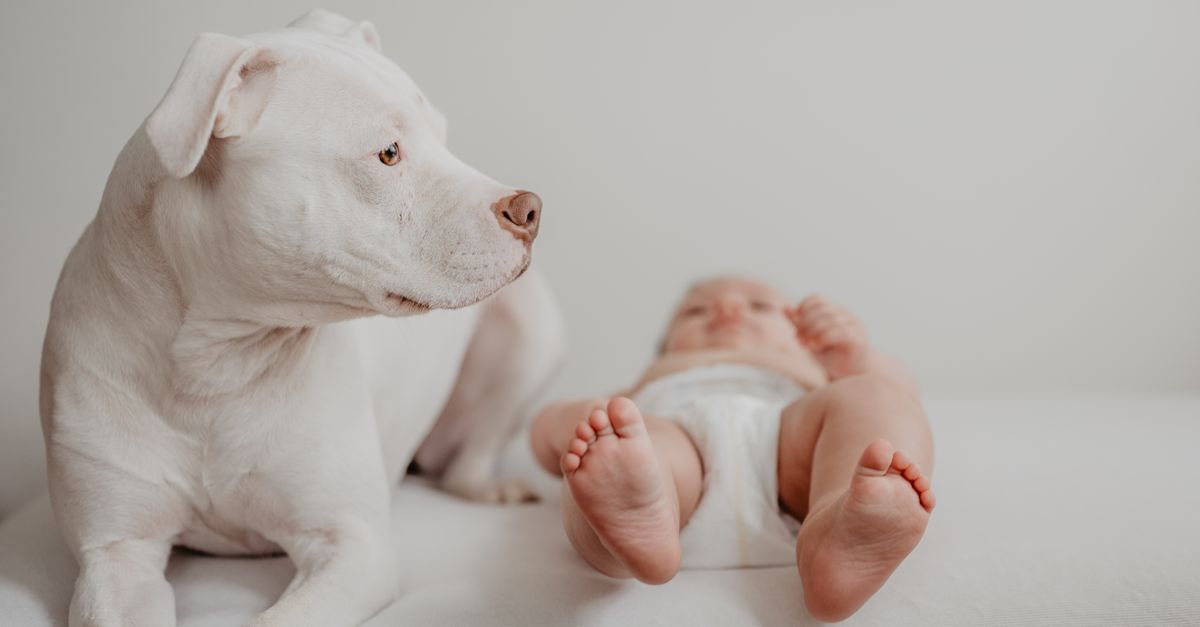
The best time to prepare a dog for a newborn is several months before the birth: gradually changing the routine, refreshing basic cues, and getting the dog used to baby sounds and smells. After the birth, let the dog get to know the baby's scent before it comes home, and keep the first meeting calm and pressure-free. The golden rule is simple: never leave a dog and a newborn together without adult supervision, no matter how much you trust the dog. Any sign of tension or growling is a cue to consult a behaviourist.
A new arrival is an enormous change - for your dog too, especially if it has been the centre of attention until now. The good news is that a dog and a newborn can coexist beautifully under one roof, provided you prepare well ahead and with a clear head. The key is not miracles but time, predictability, and consistent supervision. Below is a step-by-step guide to walking your dog through this change safely and calmly.
Start preparing well before the birth
The biggest mistake is leaving everything until the last minute. A dog whose whole routine changes overnight, and who at the same time meets a new, crying creature, has every right to feel lost. That is why changes are introduced gradually, months in advance:
- Routine - if walk or feeding times will shift after the birth, start moving them slowly now, so your dog does not link the inconvenience to the baby.
- Zones - if you plan for the dog to stay out of the nursery or off the sofa, introduce those rules early, calmly and consistently.
- Attention - if your dog is used to constant attention on demand, gently teach it that it sometimes has to wait and settle on its own.
All of these changes go down more easily when they are not glued to one stressful event.
Refresh basic cues and calm settling
Solid obedience basics genuinely make life with a dog and a newborn easier. The most useful ones are:
- Settling calmly on a mat - the dog can rest on its bed while you feed or change the baby.
- Leave it - crucial with toys, dummies, and small items on the floor.
- Greeting without jumping - a large, enthusiastic dog must not jump at someone holding a newborn.
- Loose-lead walking - handy for walks with the pram.
You do not have to teach everything from scratch - it is enough to refresh what your dog already knows and reinforce calm around distractions. A well-socialised, balanced dog handles this change far more easily; for more on building that foundation, see our guide to dog socialization.
Get your dog used to sounds, smells, and equipment
To a dog, a newborn is a completely new set of stimuli. It helps to introduce them before they all arrive at once:
- Sounds - play quiet recordings of a baby crying, gradually raising the volume, pairing them with calm and a reward.
- Equipment - let your dog inspect and sniff the pram, cot, bouncer, or swing before they start moving and making noise.
- Smells - introduce baby lotions, oils, and other products early, so they are not a novelty.
The first meeting - calm and pressure-free
First impressions matter, so plan the meeting sensibly.
| Stage | What to do |
|---|---|
| Before coming home from hospital | Bring home a blanket or item carrying the baby's scent and let your dog get to know it |
| Greeting the parent | Start with a calm greeting for the returning parent, without the baby in arms, until the excitement settles |
| Tire the dog first | Make sure the dog is well exercised and relaxed before the actual meeting |
| Introducing the baby | On a loose lead, let the dog sniff the baby from a safe distance, praising calm behaviour |
| Positive association | Let the baby's presence predict good things - treats, calm attention |
Do not force contact or hold your dog up against the baby. Watch your dog's body language: a loose body and a soft tail are good signs, while stiffening, lip-licking, turning the head away, or tucking the tail is a request for more distance.
The golden rule and warning signs
The most important rule has no exceptions: never leave a dog and a newborn together without adult supervision - not for a moment, not even if you trust your dog completely. Gates, playpens, and closed doors are your allies, because they let you stay in control at all times.
Pay particular attention to:
- Resource guarding - if your dog guards its bowl, bed, or toys, address it in advance; it is a topic of its own, which we cover in our guide to resource guarding in dogs.
- Signs of tension - stiffening, growling, avoidance, persistent lip-licking.
- Over-interest - a dog that cannot settle near the baby needs more distance and more work.
A growl is a warning, not spite - never punish it, or the dog will stop warning before it does something more serious. Any such signal is a moment for an urgent consultation with a certified behaviourist.
Do not forget about your dog
In the whirlwind of new duties it is easy to push the dog to the back of the queue, but that is a direct route to frustration and unwanted behaviour. Your dog still needs exercise, attention, and predictability. It does not have to be as much as before - quality and regularity are what count. A few minutes of shared play, a calm walk, a moment of fuss while the baby sleeps - that is enough for your dog to know it is still an important part of the family.
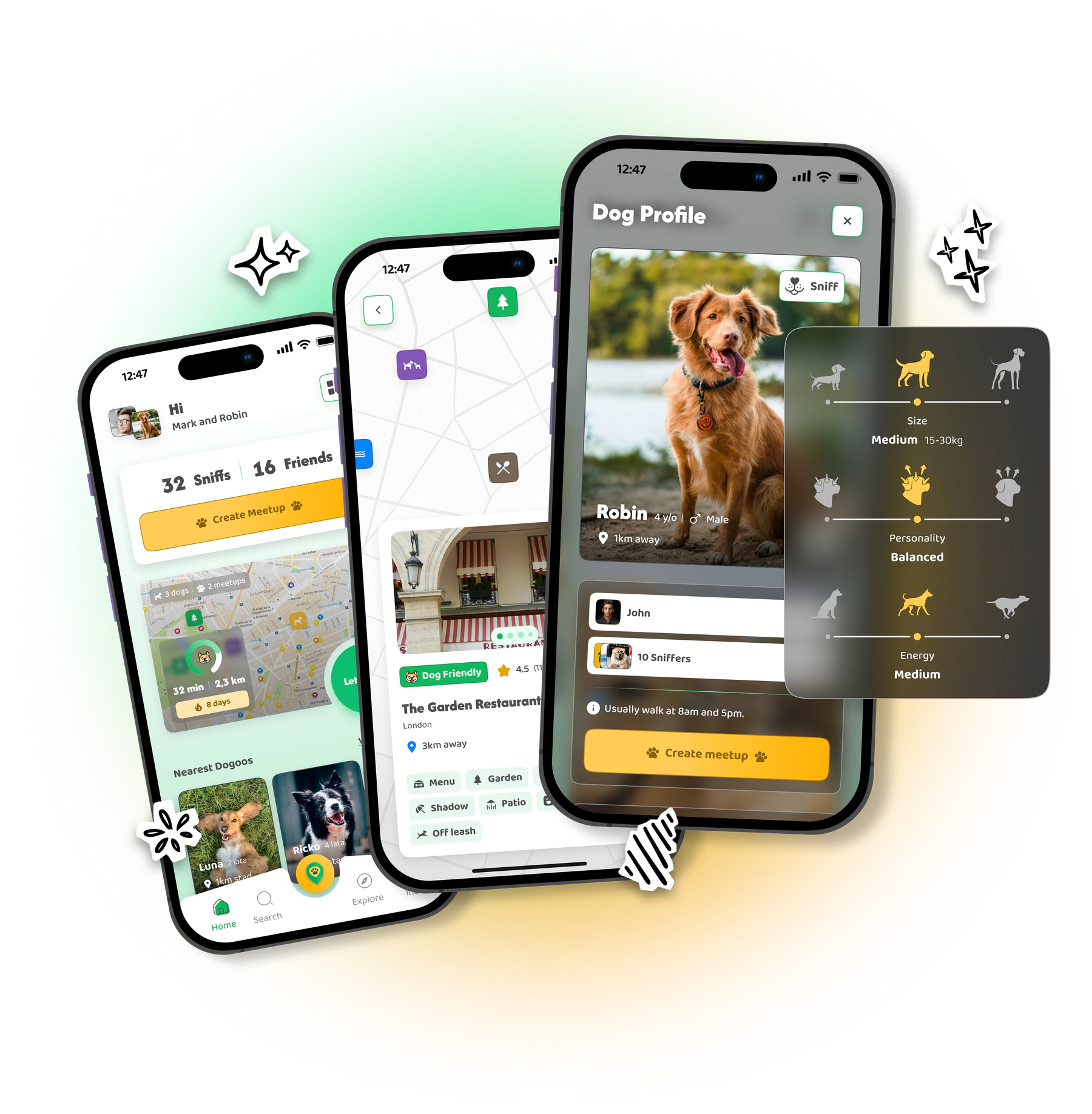
Over time, a dog and a child often become inseparable, and growing up with a dog teaches children empathy and responsibility. As soon as you are back on your feet and ready for outings together, check the DogOut map for calm, friendly routes nearby where you can comfortably walk with the pram and the dog at the same time.
Frequently asked questions
- How do I prepare my dog for a new baby?
- Start several months before the birth. Gradually introduce the routine changes that will happen anyway once the baby arrives, refresh basic cues like settling calmly on a mat, and get your dog used to the sounds and equipment linked to a baby. The aim is to stop your dog associating every inconvenient change with the arrival of the newborn.
- Can a dog be jealous of a newborn?
- Dogs can react to a sudden drop in attention and a change in routine with something that looks like jealousy - demanding attention, fussing, sometimes unwanted behaviour. It is usually not rivalry as an emotion, but confusion and a loss of predictability. Keeping some shared time and calmly pairing the baby with good things helps a great deal.
- What does the first meeting between a dog and a newborn look like?
- It works best when the dog is already calm, well exercised, and has got the excitement of greeting the returning parent out of its system. Introduce the baby calmly, let the dog sniff from a safe distance on a loose lead, and praise it for staying relaxed. Do not force contact, watch the body language, and keep the meeting short and pleasant rather than stressful.
- Can I leave my dog alone with a newborn?
- Never. However much you trust your dog, do not leave it with a newborn without adult supervision, not even for a moment. This is the single most important safety rule. Use gates, playpens, and separate rooms so you always stay in control of the situation.
- What should I do if my dog growls at the baby?
- Do not punish the growl - it is a warning, and punishing it makes the dog stop warning before it does something more serious. Treat it as a signal that your dog is uncomfortable, and immediately increase distance and supervision. Growling at a baby is a moment for an urgent consultation with a certified behaviourist, not for DIY experiments.
- Do I have to rehome my dog when a baby arrives?
- In the vast majority of cases, no. With good preparation, consistent supervision, and sensible rules, a dog and a baby coexist well under one roof, and growing up with a dog has many benefits. Rehoming is a last resort, considered only where there is a real risk that cannot be safely managed - and always after consulting a specialist.