Dog Socialization: The Window, the Methods, and What to Do When It's Closed
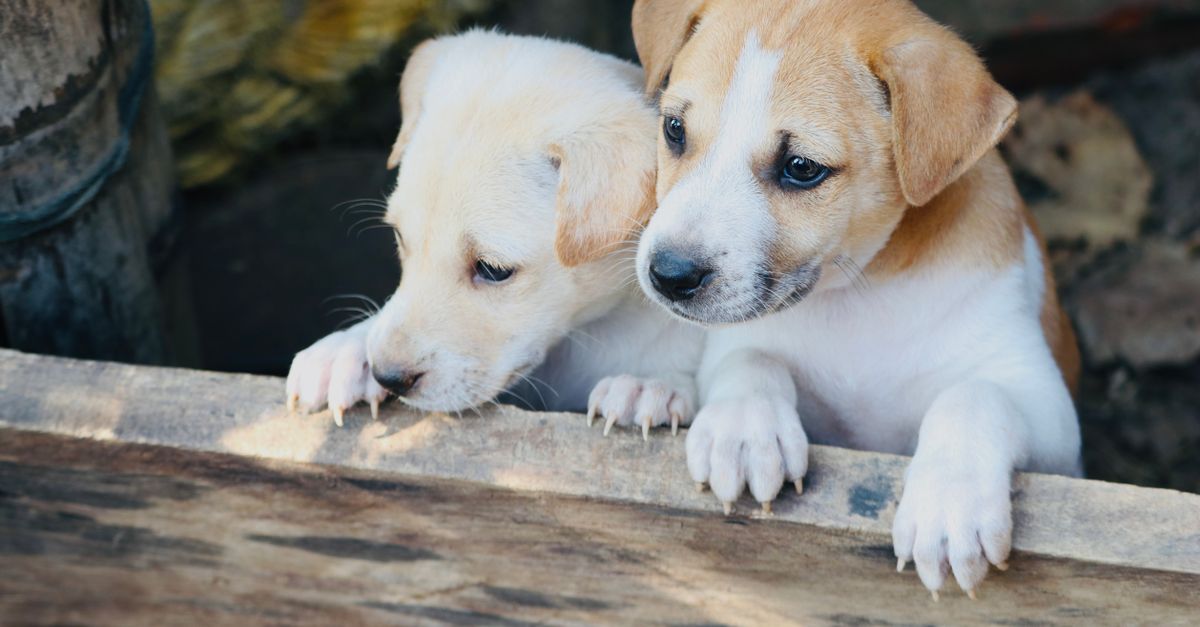
The primary socialization window for puppies runs roughly from 3 to 14 weeks of age - this is when new experiences most easily create neutral or positive associations. But socialization isn't a one-time phase: even adult dogs and rescue dogs can be gradually introduced to new experiences. Quality of exposure matters more than quantity - always positive, always at the dog's own pace.
A puppy arrives in the world with its eyes open to possibility - literally. In the first weeks its brain is unusually receptive: new experiences are recorded as neutral or pleasant before the instinct for caution fully kicks in. That is the socialization window. How do you make the most of it - and what happens when it has passed?
What is socialization and why does it matter
Socialization is the process by which a dog learns that the world is safe. The goal isn't for your dog to love every person and every dog it meets - it's for new stimuli not to trigger panic. A well-socialized dog can function in varied environments without chronic stress.
Lack of socialization is one of the most common roots of behavioural problems in adult dogs: reactivity, fear-based behaviour, and aggression. That's why the time invested in a puppy's first weeks pays back many times over.
The socialization window - what the science says
According to AVSAB (the American Veterinary Society of Animal Behavior), the primary socialization window runs roughly from 3 to 14 weeks of age. During this period the puppy's brain is most receptive to new stimuli: people, animals, sounds, surfaces, vehicles, smells. The window closes gradually - not overnight - but exposure after 14 weeks typically requires more effort and produces somewhat less lasting results.
That doesn't mean nothing can be done after 14 weeks. It means time genuinely matters, and acting early is better than waiting for the perfect moment.
Quality over quantity
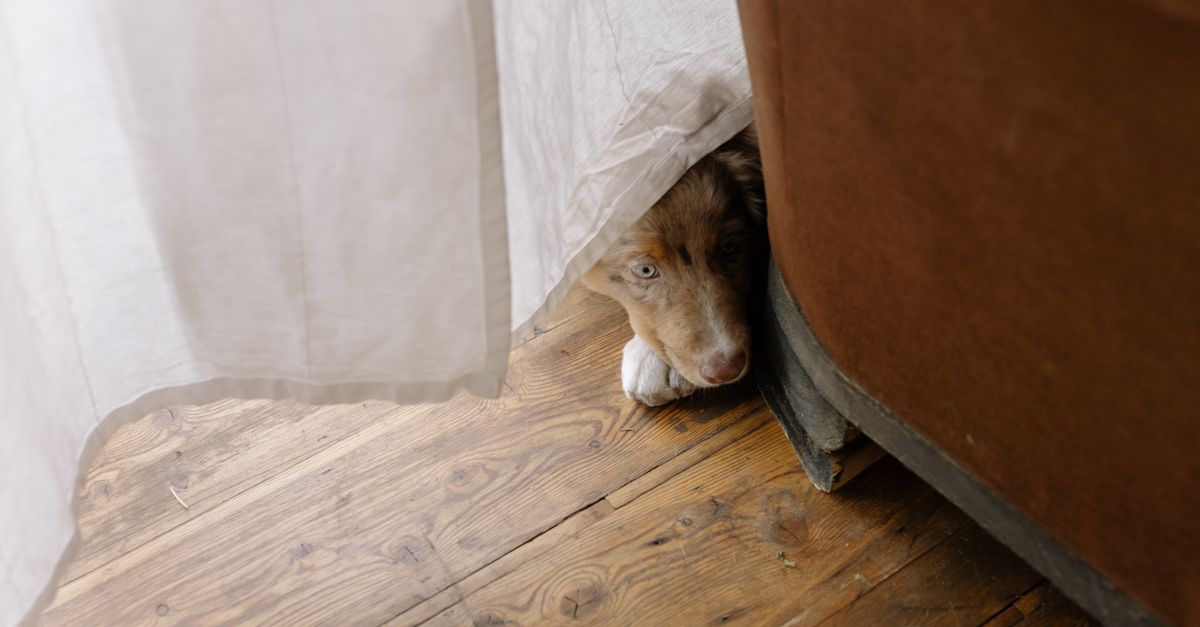
The most common mistake in socialization is thinking more stimuli at once means faster progress. An overwhelmed puppy doesn't learn "this is safe" - it learns "this is terrifying and I can't escape."
The rule is simple: let the dog have choice and an exit. If it backs away from something new, don't push it toward the goal. Step back together, give space, reward calm. Better to end a session early with a dog in good emotional shape than to push on because "we need to get through this."
What to introduce gradually
| Category | Examples |
|---|---|
| People | Children, men, elderly people, people in uniform, people with pushchairs |
| Sounds | Cars, bikes, vacuum cleaner, thunderstorm, music, crowds |
| Environments | City, park, forest, vet clinic (visits with no procedure!) |
| Surfaces | Grids, tiles, wet grass, stones, sand |
| Other animals | Calm adult dogs, cats (if part of future environment) |
You don't need to cover everything at once. Systematic, calm, short sessions over several weeks work better than one intense weekend.
What about a dog that's past the window?
A rescue dog, a dog from poor-conditions breeding, an adult dog that simply never saw city life - socialization is still possible, it just looks different. This isn't "catching up on lost time" - it's building new positive associations on an existing foundation.
The core principles are the same:
- Distance is your friend. Start from a distance at which the dog is calm. That might be 50 metres from another dog. That's fine.
- Reward the dog for noticing the stimulus and staying calm - before any reaction has a chance to start.
- Don't rush. Weeks, sometimes months - that's a normal pace for an adult dog with socialization gaps.
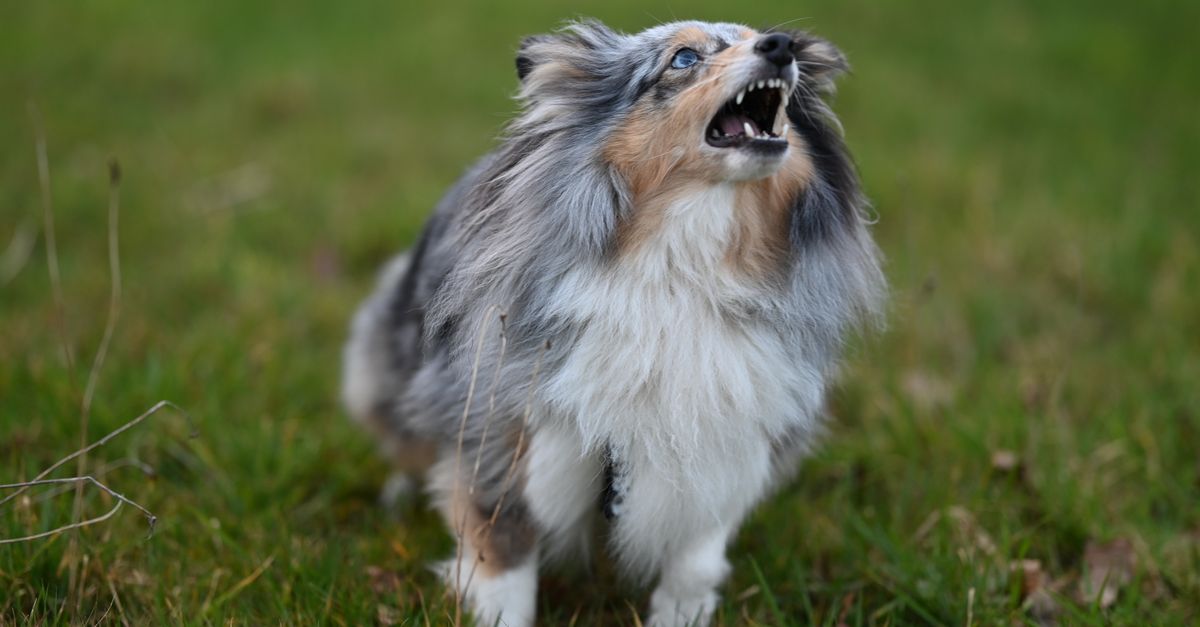
If your dog reacts with strong fear, flight, or aggression, consult a certified animal behaviourist. Working through it alone can accidentally reinforce bad associations or create a risky situation for you or others.
Socialization in everyday life - the walk as a tool
Every walk is a socialization opportunity - as long as it isn't just a sprint from A to B. Let your dog sniff. Pause before a passing cyclist instead of yanking forward. Give a moment to observe children playing in the park.
Encounters with other dogs on a walk are also socialization - provided they're voluntary and controlled. Avoid forced greetings when one dog is clearly signalling reluctance.
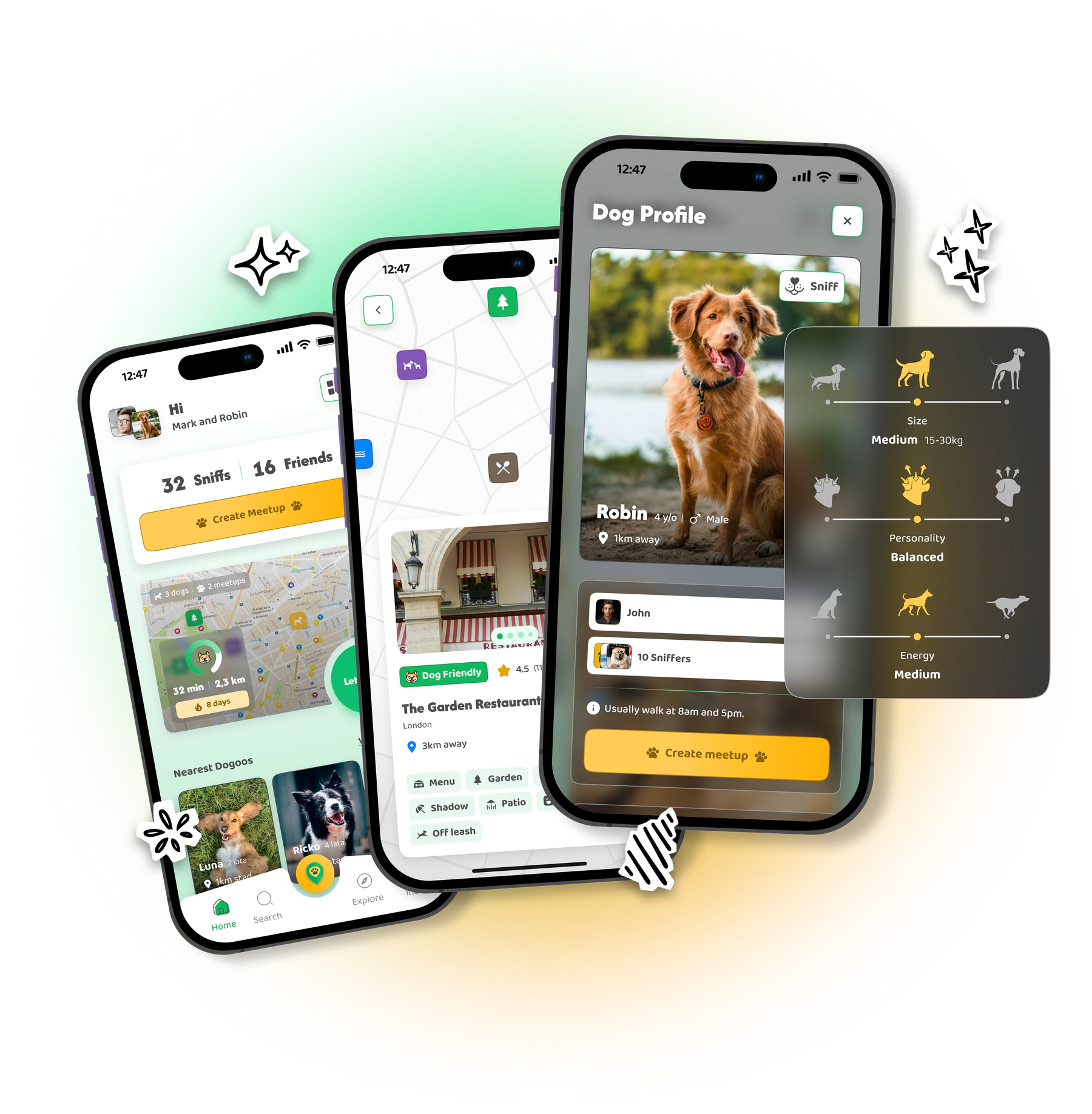
Looking for calm routes where your dog can practise encounters at its own pace? The map in DOGOUT shows spots tagged by other owners - off-lead areas, parks, quiet paths. You can also see who's walking nearby and arrange a walk with a dog that has a similar temperament.
Socialization is a marathon, not a sprint. But it starts with the first step out the door.
Frequently asked questions
- When does the puppy socialization window open?
- The primary socialization window runs roughly from 3 to 14 weeks of age. During this period puppies most easily learn that new people, sounds, animals, and environments are safe. The window gradually closes, so exposure should start as early as safely possible.
- Can you socialize an adult dog?
- Yes, though it takes more time and patience than with a puppy. An adult dog already has established associations, but its brain is still plastic - new positive experiences gradually expand its comfort zone. For strong fear or reactivity, consult a certified behaviourist.
- How much exposure does a puppy need each day?
- Less than you might think. One short, calm, positive session is worth more than an hour of overwhelming stimuli. The goal is for the puppy to finish each encounter with curiosity or calm indifference - not fear or stress.
- Can a puppy go out before completing its vaccinations?
- Yes, with reasonable caution. Many veterinary organizations, including AVSAB, recommend taking puppies out before the full vaccine series is complete - the behavioral risk of missed socialization can outweigh the health risk. Talk to your vet about safe places and circumstances.
- What should you NOT do when socializing a dog?
- Don't force contact when the dog backs away or signals discomfort. Don't use 'flooding' - overwhelming the dog with the hope it will eventually get used to it. That approach can deepen fear. Every session should end before the dog becomes stressed.