Dog Begging at the Table - Why It Happens and How to Stop It
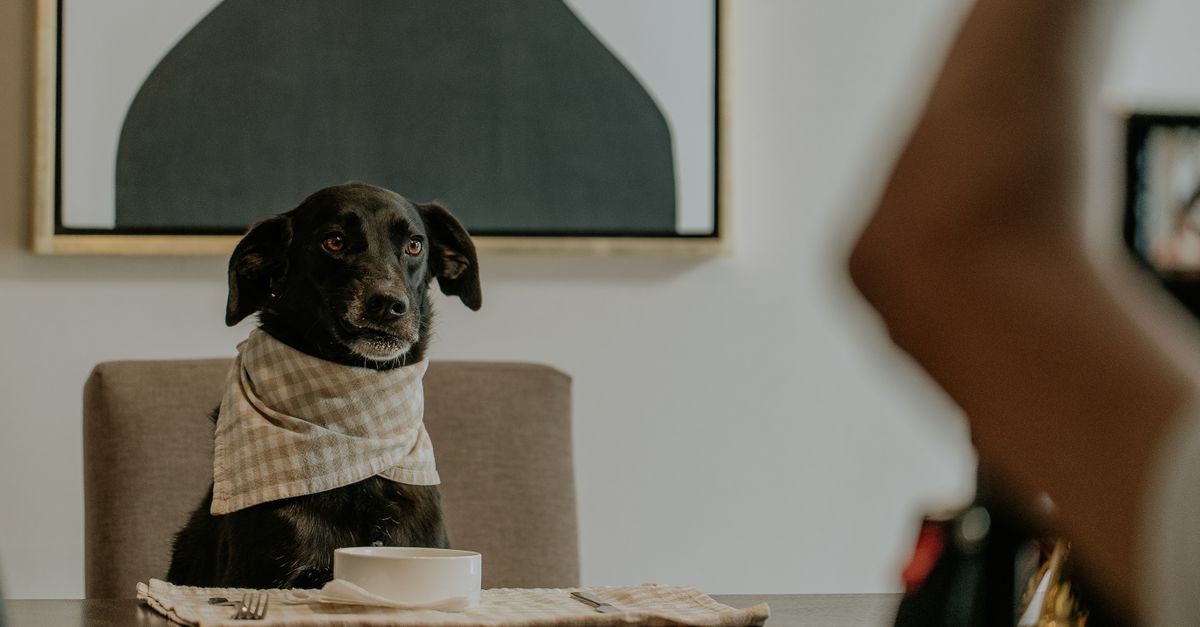
Dogs beg at the table because it worked at least once - they got a bite of food and learned that begging pays off. To change this, you need to stop rewarding it completely and redirect your dog to a designated spot. With consistency from everyone in the household, most dogs stop within 2 to 4 weeks.
You sit down for dinner and within seconds there is a warm presence beside your chair: eyes locked on your plate, a low whine building in the throat. Your dog is begging again. And they have perfected the look - part adorable, part emotionally devastating. The problem is that every scrap you hand over is an investment in the next round of begging.
Why dogs beg - the science is simple
Begging is not instinct. It is a learned behaviour, and you probably taught it without noticing. The first time food was dropped near the table, or a well-meaning family member slipped a piece of chicken under the table, your dog made a mental note: proximity to humans eating equals free food.
This is textbook operant conditioning - behaviour that is rewarded gets repeated. Each time a dog receives food at the table, the association strengthens. But here is the twist: if the reward is inconsistent (sometimes they get food, sometimes they do not), you have created intermittent reinforcement - the single most powerful way to make a behaviour stick. A slot machine mentality. The dog keeps trying because the reward might come any moment.
Add the fact that dogs have a sense of smell estimated at 10,000 to 100,000 times more sensitive than a human's - your roast dinner is broadcasting an overwhelming signal that is hard to ignore. Begging is not random hope; your dog knows exactly what is on your plate.
The extinction burst - why things get worse before they get better
Before you start ignoring the begging, understand what will happen first. When a dog discovers that the old behaviour no longer pays, it will try harder before giving up. More whining, pawing your leg, jumping, nudging your elbow. Behavioural scientists call this an extinction burst.
This is the most critical moment. If you give in now, you have rewarded the most intense version of the behaviour. Next time, that is where your dog will start. The only way through is consistency - no matter how convincing the sad eyes are.
How to stop begging - step by step
Stop rewarding the behaviour entirely
Nothing from the table - ever. Not a bite, not the last piece of crust, not a lick of your finger. If you want to give your dog food as a treat, stand up, walk to their bowl, and deliver it there - away from your meal, when they are not begging. This breaks the link between table proximity and food reward.
Tell every household member the rule. Inform regular guests. One person who cannot resist will reset the clock on weeks of training.
Teach the 'place' command
This is the most effective long-term solution. A dog who knows how to go to a mat and stay there can be sent there before you sit down to eat.
| Stage | What you do |
|---|---|
| Foundation | Teach 'go to your place' in short sessions, rewarded with treats delivered on the mat |
| Integration | Send the dog to their place with a chew or stuffed Kong just before you start eating |
| Consolidation | Gradually reduce the chew, rewarding calm lying without constant occupiers |
| Goal | Dog automatically heads to their spot when they see you sit down to eat |
The 'stay' command is the backbone of this approach - you can find a full breakdown in the guide on teaching your dog to stay.
Use consistent ignoring in the meantime
While the 'place' command is still being built, completely ignore any begging. No eye contact, no pushing the dog away, no "no, go away" - any reaction tells your dog that pestering you creates a response. Turn your body away if needed. Silence and stillness are the message.
Management: a room or gate during meals
Especially in the early stages, there is nothing wrong with separating your dog during mealtimes - behind a baby gate or in another room with something to chew. This is not punishment; it prevents the dog from practising the unwanted behaviour while you are still training the better one. Practice makes permanent, and you do not want begging to get more rehearsals.
What about guests who will not comply?
Manage the environment rather than fighting every guest. If you know the children at Sunday dinner will inevitably feed the dog, put the dog in another room before they arrive. If your parents insist that "the dog looks hungry", give them a clear job to do: they can reward the dog for lying calmly on its mat after the meal. Channel the impulse rather than arguing with it.
When to call a professional
Begging at the table is almost always a learned behaviour and can be resolved through owner consistency alone. However, if your dog shows any of the following around mealtimes, seek help from a certified animal behaviourist:
- Growling, snapping, or stiffening near the table or food bowls
- Guarding food areas from people or other pets
- Intense anxiety or compulsive behaviour around food
That is no longer begging - that is resource guarding, a separate issue that needs professional guidance.
The rule that makes everything else work
One rule, clearly understood by everyone: no food from the table, from anyone, ever. Paired with a reliable 'place' command and a chew to keep your dog occupied, this solves the begging problem without drama, without punishment, and without endless battles of will.
Check out our guide on what dogs can and cannot eat for a refresher on which table foods are actually dangerous, not just unhelpful for training.
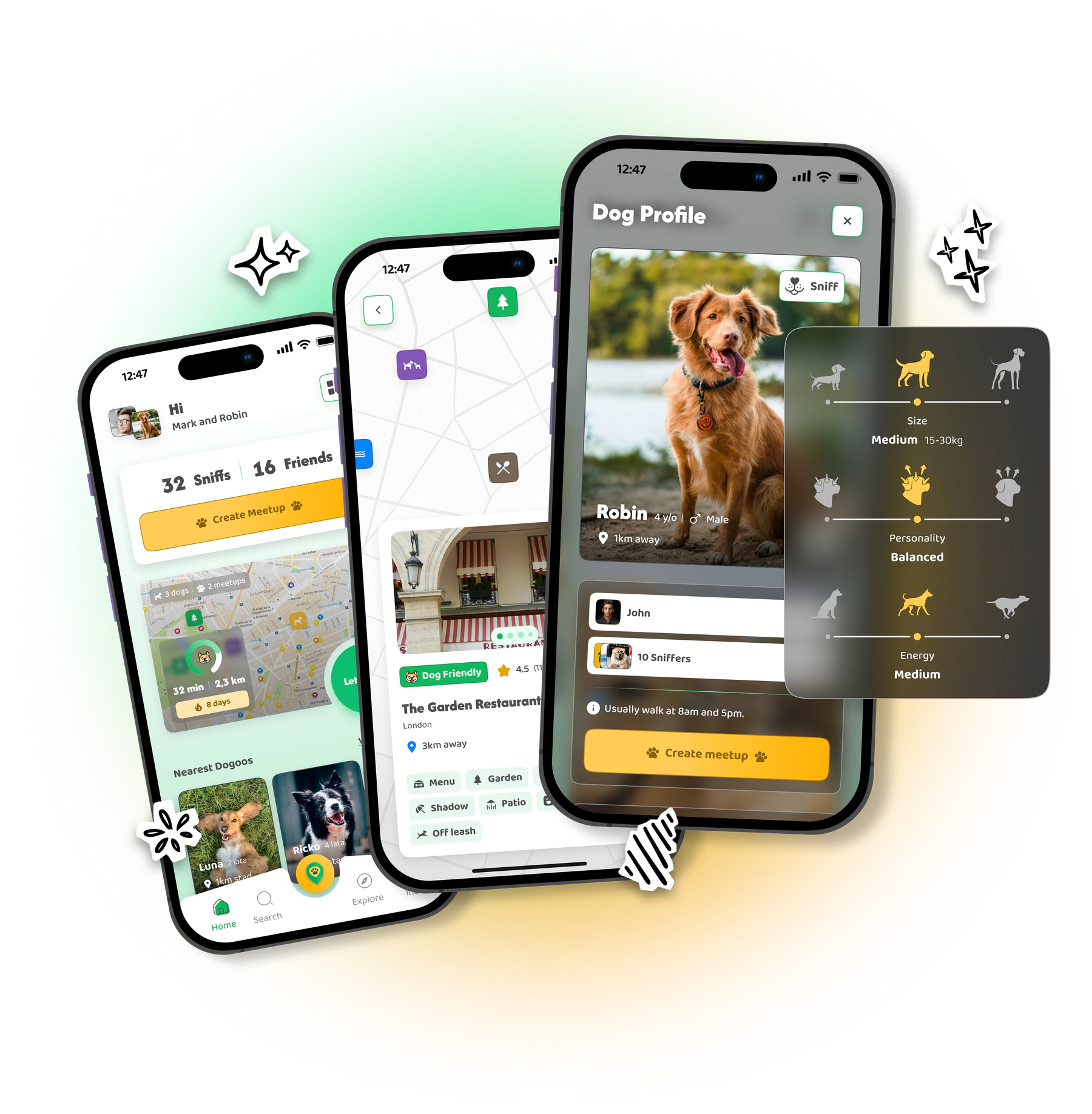
Once your dog has mastered mealtime manners, the best reward is a proper walk together. Use the DOGOUT map to find dog-friendly spots near you - a good run after dinner is worth far more than anything left on your plate.
Frequently asked questions
- Why does my dog beg at the table?
- Because it worked before. Even one accidental piece of food dropped from the table is enough to teach a dog that hanging around during meals leads to rewards. Dogs are fast learners when food is involved, and their sense of smell makes your meal irresistible.
- Will simply ignoring my dog stop the begging?
- Yes - but only if everyone in the household ignores the dog equally and without exceptions. One person giving a bite 'just this once' can undo weeks of progress. Expect the behavior to intensify briefly before it fades - this is called an extinction burst and is a normal part of the process.
- How long does it take to stop a dog from begging?
- With full consistency from all household members, most dogs stop begging within 2 to 4 weeks. If rules are inconsistent, begging can persist for months - because intermittent reinforcement (rewarding sometimes but not always) is the hardest pattern to extinguish.
- Should I feed my dog right before meals to reduce begging?
- It may reduce motivation slightly, but it will not solve the problem on its own. Dogs can still be attracted to the smell of your food even if they have eaten. The key is breaking the learned association between begging and receiving food - not hunger management.
- Can I put my dog in another room during mealtimes?
- Absolutely, and it is a smart management strategy - especially while the 'place' command is still being trained. A baby gate or closed door with a chew toy is a training tool, not a punishment. It prevents the dog from practising the unwanted behaviour while you are working on the alternative.
- Is begging ever a sign of something more serious?
- Begging is usually a learned behaviour, not a disorder. However, if your dog growls, snaps, or shows tension around the table and food, that may be resource guarding rather than begging - consult a certified animal behaviourist in that case.