Dog Car Sickness - How to Help Your Dog Enjoy the Car
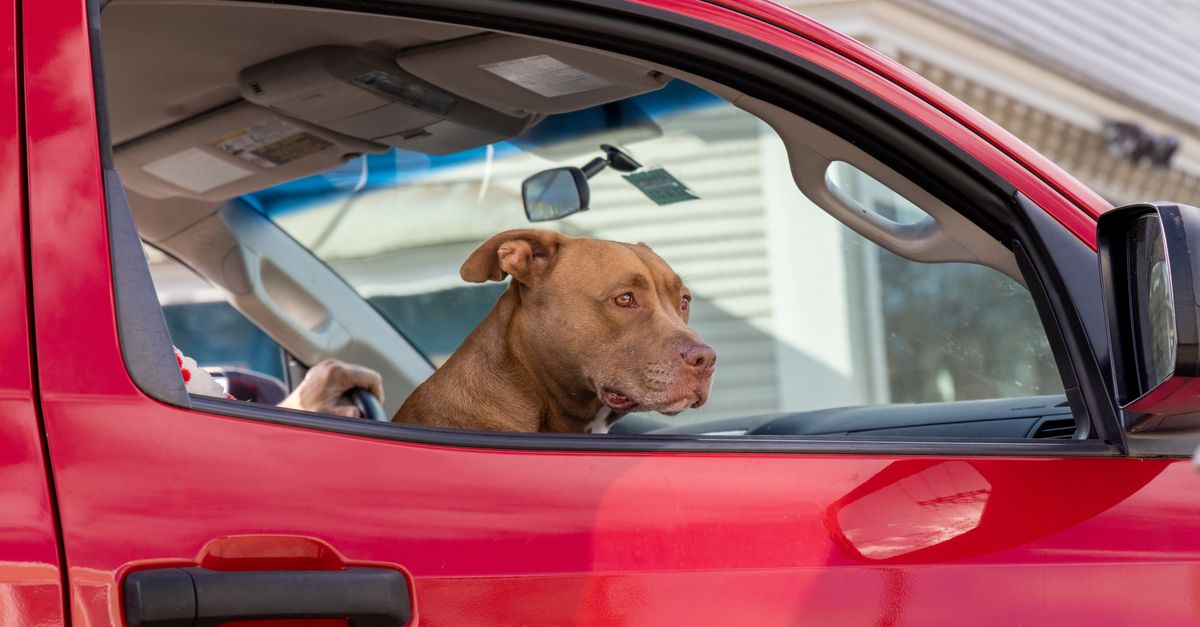
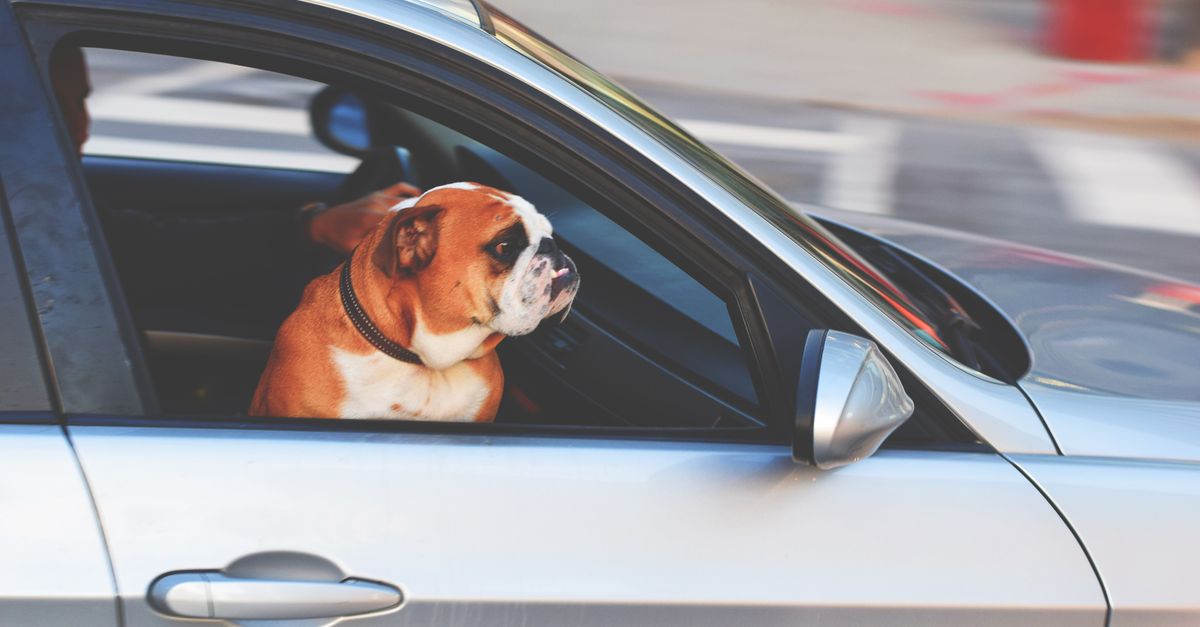
Dog car sickness is a set of symptoms - drooling, yawning, restlessness, and vomiting - that appear during car journeys. In puppies it often comes from an immature balance system and fades with age, while in adult dogs it is more often driven by stress and a bad association with the car. The most effective approach is gradual desensitisation: introducing the car in small steps, from a stationary vehicle to short, pleasant trips. For persistent symptoms, a vet can prescribe an anti-sickness or calming medication.
That barking joy at the sight of the lead turns to unease the moment the car door opens - drool starts to drip, the dog yawns, flattens its ears, and after a few miles brings up its breakfast. Dog car sickness is a common and frustrating problem, but in most cases you can work through it sensibly. Below we explain where it comes from and how to help your dog learn to like the car, step by step.
Where does dog car sickness come from?
Two mechanisms are behind car sickness, and they often overlap.
The first is physical: the balance system in the inner ear reacts to the vehicle's movement, which triggers nausea - exactly as it does in people. In puppies this system is still immature, which is why young dogs get sick more often and many grow out of the problem, usually around their first birthday.
The second is emotional: if a dog's first car journeys were linked to something unpleasant - being taken from its mother, a vet visit, feeling sick - a lasting negative association forms. After that, even a dog that no longer gets physically ill will react with stress at the mere sight of the car. That is why in adult dogs the cause is more often anxiety than the inner ear alone.
Symptoms - how to recognise car sickness
Symptoms usually appear well before any vomiting. It is worth learning to read them, because they signal that your dog is feeling ill or that stress is building.
| Symptom | What it means |
|---|---|
| Excessive drooling, lip-licking | An early sign of nausea |
| Yawning, panting | A sign of stress or rising nausea |
| Restlessness, whining, pacing | The dog cannot settle |
| Trembling, cowering | Strong stress or fear |
| Vomiting | The peak of car sickness |
| Lethargy after the journey | Exhaustion following an episode |
How to get your dog used to the car, step by step
The most effective method is gradual desensitisation combined with building positive associations. The idea is to break the journey down into the smallest possible steps, and to make sure your dog feels calm at each one before moving on. Do not rush - skipping stages undoes your progress.
- The car as a nice place - invite your dog into a stationary, switched-off car, let it sniff around, give a treat, and get out. Repeat until it hops in happily.
- Engine on, no driving - sit in the car with the engine running, calmly, with a reward, but without moving off.
- A very short trip - drive a few dozen metres and end with something good: a walk, a game, a favourite treat.
- Gradual build-up - add distance slowly, always finishing the trip pleasantly, so the car begins to predict good things rather than just the vet.
Ideally, every trip at this stage should end with something your dog enjoys - otherwise the car will keep signalling stress.
What else helps in practice
- A safe, stable spot - a seatbelt-secured crate, a cage, or a car harness. Less bouncing means less nausea, and it is simply safer. We cover secure travel in more detail in our guide to travelling with a dog by car.
- A forward-facing view - looking through the windscreen helps some dogs, whereas tracking the scenery rushing past sideways worsens nausea.
- Cool air and ventilation - a slightly open window and an airy, not-overheated interior ease the symptoms.
- An empty or near-empty stomach - avoid a large meal right before travelling; a small meal a few hours earlier is better.
- Breaks on longer trips - stops to stretch legs, offer water, and take a quiet moment.
- Familiar smells - a favourite blanket or toy gives your dog an anchor.
When to see a vet
Car sickness is usually not dangerous, but there are situations where it is worth checking in with a vet:
- the symptoms are strong and persistent and do not ease despite patient work with the car,
- the fear of the car is so severe that it disrupts essential journeys,
- vomiting also happens outside the car or comes with other symptoms - that is a sign the problem may have nothing to do with travel (more in our article on dog vomiting),
- in an older dog the symptoms appeared suddenly, with no history of them - in senior dogs, balance problems can have other causes that need investigating.
The vet can prescribe an effective anti-sickness medication or, where anxiety is the main driver, a calming aid tailored to your dog. Never give your dog human car-sickness medicines without asking first - the doses and safety are completely different from ours.
With patience and a plan, most dogs can be won over to the car, and that opens the door to trips together - to the beach, the mountains, the woods. Once your dog starts taking journeys calmly, check the DogOut map for interesting, dog-friendly spots nearby and plan a first short outing that pairs the training with real fun.
Frequently asked questions
- Why is my dog sick in the car?
- Most often it is motion sickness - the balance system reacting to the vehicle's movement, much like in people. In puppies this system is still immature, so they get sick more often and usually grow out of it. In adult dogs, being sick in the car can also come from stress and a bad association between the car and unpleasant trips.
- Do dogs grow out of car sickness?
- Many puppies do grow out of car sickness once their balance system matures, often around their first birthday. It is not guaranteed, though. If a fear of the car has developed alongside the physical symptoms, maturity alone is not enough, and you will need to work on building a positive association with the car.
- How do I get my dog used to car journeys?
- Work in small steps. Start with your dog getting into a stationary car and receiving a treat, then the engine running without driving, and finally very short, pleasant trips that end with something good. Repeat each stage until the dog is relaxed before moving on to the next.
- Can I give my dog something for car sickness?
- Yes, but only after speaking to your vet. The vet can prescribe an effective anti-sickness medication or, for strong anxiety, a calming aid tailored to your dog. Never give your dog human motion-sickness medicines on your own - the doses and safety are completely different.
- Where should a dog travel in the car?
- Somewhere safe and stable: a seatbelt-secured crate, a cage, or a car harness clipped to the seatbelt. A forward-facing view through the windscreen helps some dogs feel less nauseous, whereas watching the scenery rush past sideways can make it worse.
- Should I feed my dog before a car journey?
- It is better not to give a large meal right before travelling - a full stomach raises the risk of vomiting. A small meal a few hours before the trip, or an empty stomach, usually works best. Always provide access to water and take breaks on longer journeys.