Dog Digging in the Yard: Causes and How to Stop It
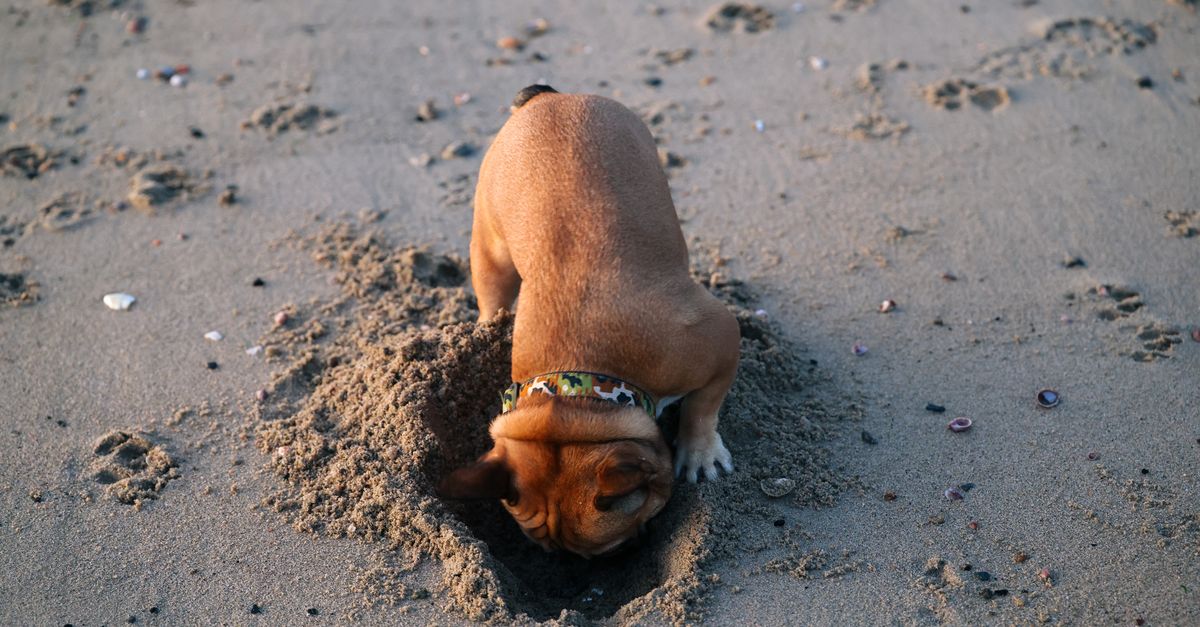
Dogs dig in the garden mostly out of boredom, breed instinct, to cool off in hot weather, because they smell prey underground, or to escape. It is natural behaviour, not spite. Instead of punishing, give your dog more exercise and mental work, set up a spot where digging is allowed, secure the fence against escape, and supervise your dog in the yard.
You step into the yard and find a lunar landscape. Fresh craters, scattered dirt, and a dog wearing the look of someone who just did a solid day's work. Before you lose it - your dog isn't doing this out of spite. Digging is one of the most natural things a dog can do. Your job isn't to punish it, but to work out what your dog needs and give that energy a better outlet.
Why does your dog dig in the garden?
Digging always has a reason. Before you act, figure out which one applies to your dog - because the fix depends on the diagnosis.
| Cause | What gives it away | What to do |
|---|---|---|
| Boredom and excess energy | Digs randomly all over the yard, usually when left alone | More exercise, longer and richer walks, scent work, puzzle toys |
| Breed instinct | Terriers, dachshunds, hunting breeds - dig hard and with passion | A dedicated digging spot, scent games, channel the instinct |
| Heat | Shallow holes in the shade, dog lies down in them | Shade, water, a cooler room on the hottest days |
| Prey underground | Digs in one specific spot, sniffs, listens | Limit rodent access, secure the area, redirect attention |
| Escape attempt | Holes under the fence, always at the boundary | Secure the bottom of the fence, never leave the dog alone in the yard |
| Stress or anxiety | Digging spikes when left alone, plus other signs of unease | Calm alone-time training, behaviourist if there is panic |
Boredom is reason number one
A dog that gets too little exercise and too little stimulation will find its own entertainment. And digging is rewarding - it's movement, scent, and a visible result. If your dog spends most of the day alone in the yard with nothing to do, digging is almost guaranteed. This isn't a lawn problem. It's an unspent-energy problem.
The instinct you can't switch off
Some breeds were bred to dig. Terriers and dachshunds were meant to go to ground after quarry. For them, digging into the earth isn't a whim, it's a program written into their genes. With a dog like this, the goal isn't to stop digging completely - that's fighting nature - but to give it a legal place where it can dig to its heart's content.
Heat, prey and escape
In summer, a dog digs shallow holes to lie in cooler earth - instinctive cooling. Sometimes it digs because it senses a mouse or a mole below. And sometimes it digs under the fence because something interesting is happening on the other side and it wants to get there. Each cause has a different solution - which is why you observe first, then act.
How do you stop a dog from digging?
There's no single magic trick. There is, however, a set of steps that together genuinely change things.
Tire out the brain and the body first
Most digging disappears once a dog gets as much exercise and stimulation as it actually needs. Start here:
- Make walks longer and more varied - new routes, new smells, a change of scene
- Add scent work - scattering treats in the grass, a snuffle mat, finding hidden toys
- Give puzzle toys and stuffed Kongs for the times your dog is left alone
- Weave in short training sessions - a few minutes of thinking tires a dog more than a kilometre of running
A dog that's satisfied in body and mind simply doesn't have the energy left to excavate the garden. See how to make dog walks better so every outing earns its keep, and check how many walks a dog actually needs so you're not guessing.
Give it a place where digging is allowed
This is the solution that works even for committed diggers. Instead of fighting the instinct, channel it:
- Pick a corner of the yard or set up a child's sandbox
- Fill it with loose soil or sand
- Bury treats, chews and favourite toys in it
- Take your dog there, show them the treasures, and reward enthusiastically when they dig in that spot
- When they return to an old hole, calmly redirect them to the digging zone and reward again
Over time the dog learns that the best things are in one specific place - and that's where all the energy goes. The same "give the right outlet instead of just forbidding" approach works for many tricky behaviours, for example when a dog eats poop.
Secure the fence and supervise
If your dog digs under the fence, take it seriously - this is about their safety. Bury wire mesh along the bottom edge of the fence, lay a concrete border or large rocks the dog can't shift. And most importantly: don't leave your dog alone in the yard for hours. The single most effective way to interrupt digging is simply to be there and redirect the dog at the right moment.
What not to do
- Don't punish after the fact - the dog won't connect the telling-off with a hole from an hour ago
- Don't fill holes in front of the dog - for many dogs that's a great game, keep digging
- Don't shout or scare - with a dog digging out of stress you'll make the problem worse
If the digging comes with panic at being left alone, drooling, destruction or escape attempts, it may be more than boredom. In that case it's worth consulting a behaviourist rather than fighting the symptom.
When to see a professional
Most digging cases you can solve yourself: more exercise, more stimulation, a digging zone, a secured fence. But if your dog digs obsessively, injures its paws, or does it only in your absence alongside other signs of anxiety - don't wait. A good behaviourist will help you get to the real cause.
The best cure for a dug-up garden is a tired, happy dog. Open DOGOUT to find parks, off-leash areas and interesting routes near you, arrange a walk with someone in the neighbourhood, and give your dog so much adventure that there's simply no energy left for digging.
Frequently asked questions
- Why does my dog dig holes in the garden?
- The most common reasons are boredom and excess energy, breed instinct (terriers, dachshunds, hunting breeds), trying to cool off in the heat, smelling rodents or moles underground, and attempts to escape under the fence. Sometimes it is also a response to stress or separation anxiety.
- Does punishing a dog for digging work?
- No. Punishment does not remove the cause, and for a dog digging out of stress it can make things worse. It works far better to meet the dog's need for exercise and stimulation and to redirect digging to an allowed spot, rewarding the right behaviour.
- How do I make a digging area for my dog?
- Pick a corner of the yard or set up a child's sandbox, fill it with loose soil or sand, and bury treats or toys in it. Show your dog the buried treasures and reward them for digging there. Over time they will move their digging to that one spot.
- My dog is digging under the fence - what should I do?
- This is usually an escape attempt driven by boredom or something interesting on the other side. Secure the bottom edge of the fence (buried wire mesh, a concrete border, large rocks), do not leave your dog alone in the yard for long, and make sure they have things to do at home and on walks.
- Is my dog digging because it is too hot?
- Yes, this is common in summer. Dogs scrape away soil to lie in cooler ground. Provide shade, constant access to water, and on the hottest days keep your dog in a cooler room rather than the baking yard.
- Do some breeds dig more than others?
- Yes. Terriers, dachshunds and many hunting breeds were bred to dig and follow quarry underground. For them digging is a strong instinct that cannot be switched off entirely - but it can be channelled into a safe, allowed spot.