Why Dogs Eat Poop (Coprophagia) and How to Stop It
Eating poop (coprophagia) is a common dog behaviour, especially in puppies, and usually not a sign of illness - but it's worth finding the cause. The usual reasons are boredom and lack of stimulation, habit, attention-seeking, diet gaps, and occasionally a medical issue (parasites, malabsorption). The fix: pick up poop immediately, add more exercise and scent work, and see your vet if the habit appears suddenly in an adult dog. Don't punish - it usually makes things worse.
Your dog just did the one thing there's never a good time for - ate poop. Theirs or someone else's. Before the panic or the gagging kicks in: this is more common than you think, and in most cases it's fixable. The trick is understanding why your dog does it and acting smart, not punishing.
Why do dogs eat poop?
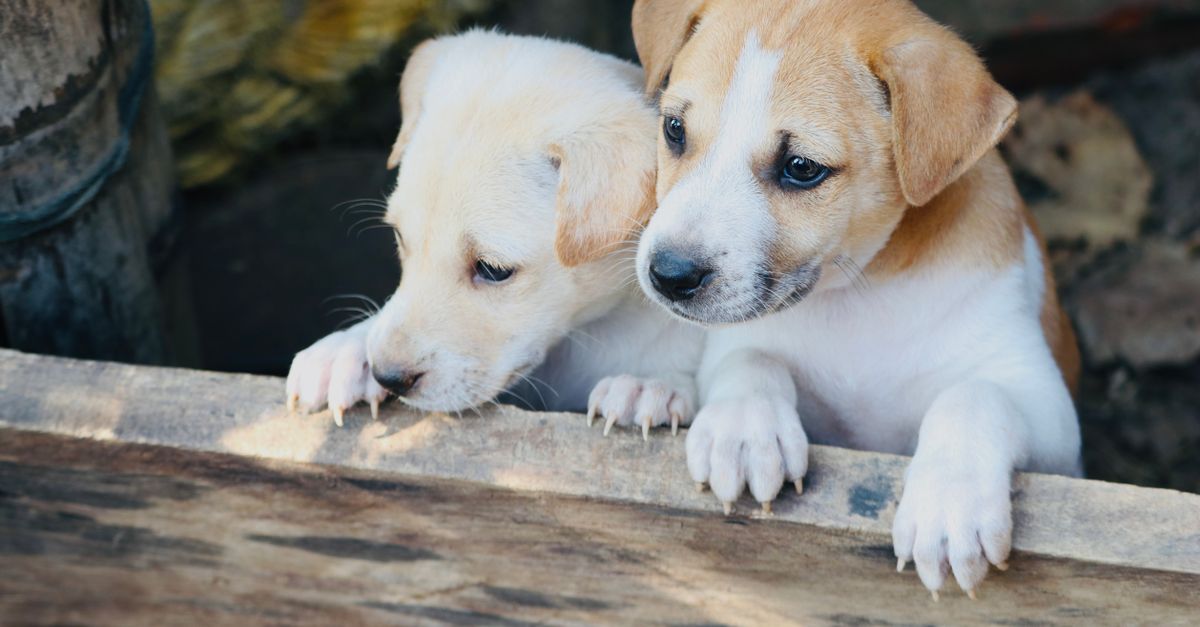
Coprophagia - eating faeces - has a few possible roots. In puppies it's often a normal part of exploring the world with their mouth: mother dogs eat their puppies' stool, and the pups copy and test things. Most dogs grow out of it. In an adult dog, it's worth looking at the cause more closely.
Behavioural causes
This is the most common group. The big ones:
- Boredom and under-stimulation - a dog left alone a lot, confined to a small space, with little exercise or scent work, goes looking for something to do. Poop becomes that something.
- Attention-seeking - if you shout and chase every single time, the dog learns it's a reliable way to switch you on.
- A habit from house-training - dogs punished for going indoors sometimes learn to hide the evidence, including by eating it.
- Stress and anxiety - for some dogs it's a coping mechanism for tension.
Dietary causes
Underfeeding, portions that are too small, or an unbalanced diet can push a dog to seek "top-ups" where it shouldn't. There are also theories about deficiencies (B vitamins, for example), but the science here is mixed - don't treat a supplement as a guaranteed fix. If you suspect diet is the issue, talk it through with your vet rather than experimenting on your own.
Medical causes
Less common, but important: coprophagia that appears suddenly in an adult dog can signal a health problem. Intestinal parasites, poor nutrient absorption, or conditions that increase appetite (such as diabetes, thyroid disease, or Cushing's disease) can all be behind it. That's why a sudden change in behaviour is a cue to see your vet - not to diagnose from a forum.
| Sign | What it may mean | What to do |
|---|---|---|
| Puppy nibbling poop | Developmental phase, exploration | Pick up promptly, usually passes |
| Sudden onset in an adult | Possible medical cause | See your vet |
| Always hungry, losing weight | Parasites / malabsorption | Stool test + check-up |
| Only when you're nearby | Attention-seeking | No reaction + reward an alternative |
| Lots of alone time, little exercise | Boredom, under-stimulation | More activity and scent work |
How to stop a dog eating poop
There's no single magic trick - there's a set of sensible steps that work together. You start by ruling out a medical cause, then set up the environment so your dog simply doesn't get the chance.
Pick up poop immediately
This is the simplest and most effective thing. A dog can't eat what isn't there. In your own yard, clean up the moment your dog finishes. On walks, keep your dog closer and stay alert - if you know it's a habit, walk on a lead through areas where other animals' poop is lying around.
Meet exercise and scent needs
A bored dog goes looking for a job. A properly tired one - physically and mentally - just doesn't need to. More and more varied walks, sniffing, problem-solving games, snuffle mats. Plenty of this starts with confident exposure to other dogs and new stimuli, which is exactly what good dog socialization builds - giving your dog a healthy outlet for energy and curiosity.
Teach "leave it" and recall
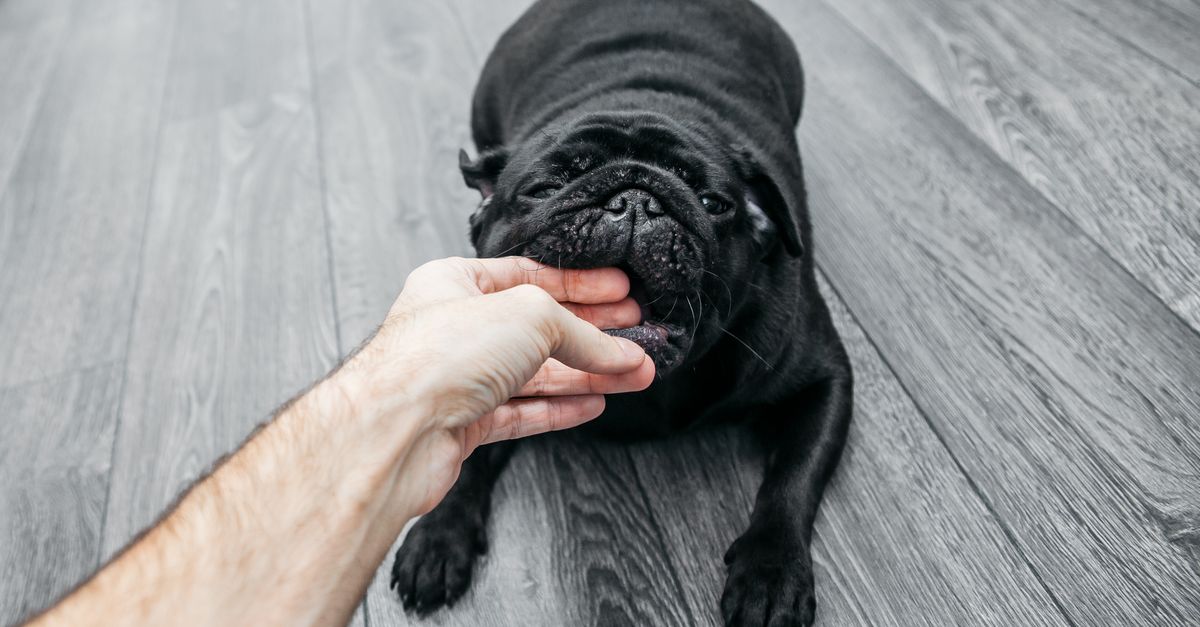
A solid "leave it" cue and a reliable recall are your tools out in the field. When your dog heads for the poop, you call it back and reward - so coming to you pays off better than what's on the ground. It's the same reward-the-alternative logic you use for other unwanted behaviours, like when a biting puppy gets redirected onto a toy.
Don't punish
This one matters. Punishing a dog for eating poop usually doesn't just fail to help - it actively backfires. The dog doesn't connect the punishment to the behaviour the way you imagine. Most often it learns two things: eat the evidence faster, and do it out of your sight. Instead of punishment - manage the environment and reward what you want to see.
Check diet and health
If you suspect your dog is getting too little or the diet is unbalanced, raise it with your vet. For a sudden onset, a stool test (parasites) and basic check-up are worth it. Food additives sold "to deter" the behaviour exist, but their effectiveness is shaky and they won't replace cleaning up or working on the behaviour.
The special case - puppies
In puppies, coprophagia is often just part of growing up and usually fades on its own as they mature. The key is not to accidentally cement it: pick up poop right away and don't turn your reaction into a big event. Consistent, gentle house-training helps - we cover it in our guide to puppy house training. If the habit persists in an adult dog despite management and enrichment, it's time for a chat with your vet or a behaviourist.
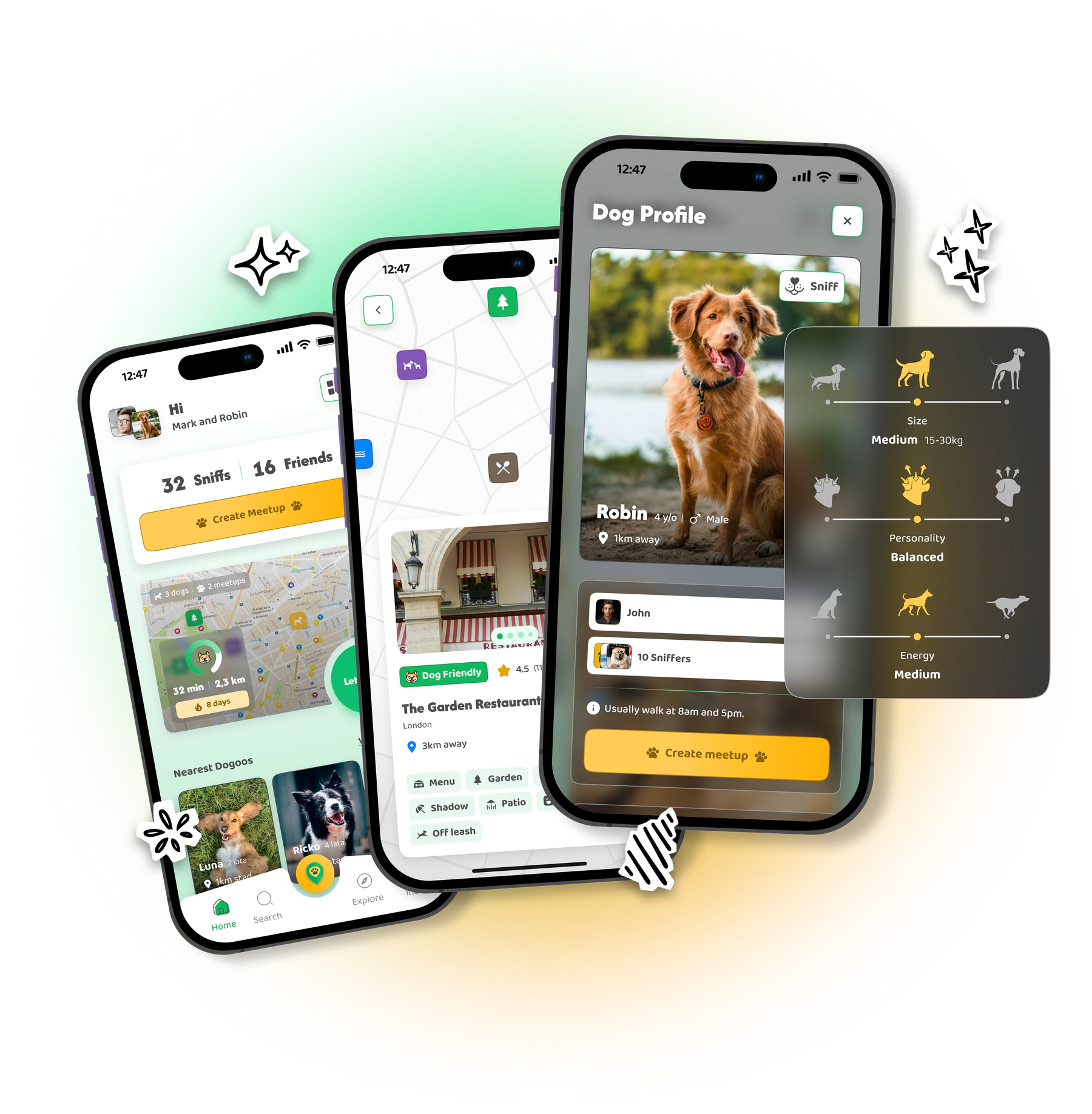
The best weapon against boredom is movement and new stimulation. Take your dog further than the block - the DOGOUT map shows parks, off-leash areas and trails near you, plus people to join for a walk. A tired, busy dog doesn't go hunting for trouble on the grass.
Frequently asked questions
- Why does my dog eat poop?
- The most common reasons are boredom and lack of stimulation, a habit carried over from puppyhood, attention-seeking, diet gaps, and - less often - a medical cause like parasites or malabsorption. In puppies it's usually just a developmental phase that passes.
- Is eating poop dangerous for my dog?
- The behaviour itself is unpleasant but rarely directly dangerous. The real risk is picking up parasites and bacteria, especially from other animals' stool. If the habit starts suddenly in an adult dog or comes with other symptoms, talk to your vet.
- How do I stop my dog eating poop?
- Pick up poop immediately so there's nothing to eat, add more exercise and scent work, teach a solid “leave it” and recall, and review diet and health with your vet. Don't punish - it usually cements the problem.
- Does punishment stop a dog eating poop?
- No. Punishment usually backfires - the dog learns to eat the evidence faster or do it away from you. It's far more effective to manage the environment and reward an alternative behaviour, like coming to you after toileting.
- When should I see a vet about coprophagia?
- See your vet if the habit appears suddenly in an adult dog, or if your dog seems constantly hungry, loses weight, has diarrhoea or vomiting, or shows changes in thirst and appetite. These can point to an underlying medical issue worth ruling out.