Dog Itching - What Causes It and How to Help

Dog itching is most commonly caused by external parasites (fleas, mites), allergies (environmental, food or flea-bite allergy) or skin infections (bacterial, fungal). If your dog is scratching intensely, chewing its skin or showing skin changes, see your vet. Itching is a symptom, not a disease - the real cause needs a diagnosis, and guessing at treatment delays recovery and can cause harm.
Scratching, paw-chewing, rubbing a face along the carpet - every dog owner knows the signs. Itching is one of the most common reasons dogs end up at the vet, and one of the hardest to pin down, because a dozen different problems can look exactly the same on the surface. The key point: itching is a symptom, not a disease. To give your dog real relief, you need to know what is actually driving it.
Main Causes of Itching in Dogs
External parasites
This is always the first thing a vet rules out. Fleas are the most frequent culprit - and you do not need many of them. Dogs with flea allergy dermatitis (FAD) can develop intense, lasting itch from a single bite, because the reaction is to the flea's saliva rather than the bite itself. Classic spots: around the tail base, the lower back and the hindquarters. Our guide to fleas on dogs covers prevention and treatment in detail.
Sarcoptic mange (caused by the mite Sarcoptes scabiei) produces an intense, almost unbearable itch that tends to concentrate on the ear tips, elbows and belly. It is contagious - including to people - so it needs fast action. Ticks can also cause localised itching at the bite site, which is one more reason to check your dog's coat after every walk.
Allergies - three main types
| Allergy type | Typical itch locations | When it flares |
|---|---|---|
| Environmental (atopy) | Paws, belly, ears, face | Seasonally (pollen) or year-round (dust mites) |
| Food allergy | Ears, paws, belly | Year-round, no seasonal pattern |
| Flea allergy (FAD) | Tail base, lower back, hindquarters | After flea exposure |
Atopic dermatitis (atopy) is a chronic, genetically driven allergic skin disease. Dogs with atopy react to environmental allergens - tree and grass pollen, house dust mites, moulds. Breeds with a known predisposition include Labrador Retrievers, Golden Retrievers, French Bulldogs and West Highland White Terriers, among others. The condition usually appears in young dogs aged 1-2 years, but can start as early as six months of age.
Food allergy has nothing to do with food quality - it is an immune reaction to a specific protein, most commonly chicken, beef, dairy or wheat. The only reliable diagnostic tool is a strict elimination diet lasting at least 8-12 weeks, using a single novel protein or a hydrolysed diet, run entirely under vet supervision. Without this, food allergy cannot be confirmed or ruled out.
Skin infections
Itching in dogs is often not the root cause but a consequence. A dog with atopy or an allergy scratches, breaks the skin barrier, and bacteria or yeast (most commonly Malassezia pachydermatis) move in. The result is a vicious cycle: the itch intensifies, crusts and pustules appear, and the skin may become greasy or smelly. A secondary infection needs its own targeted treatment - controlling itch alone will not clear it.
Dry skin and nutritional deficiencies
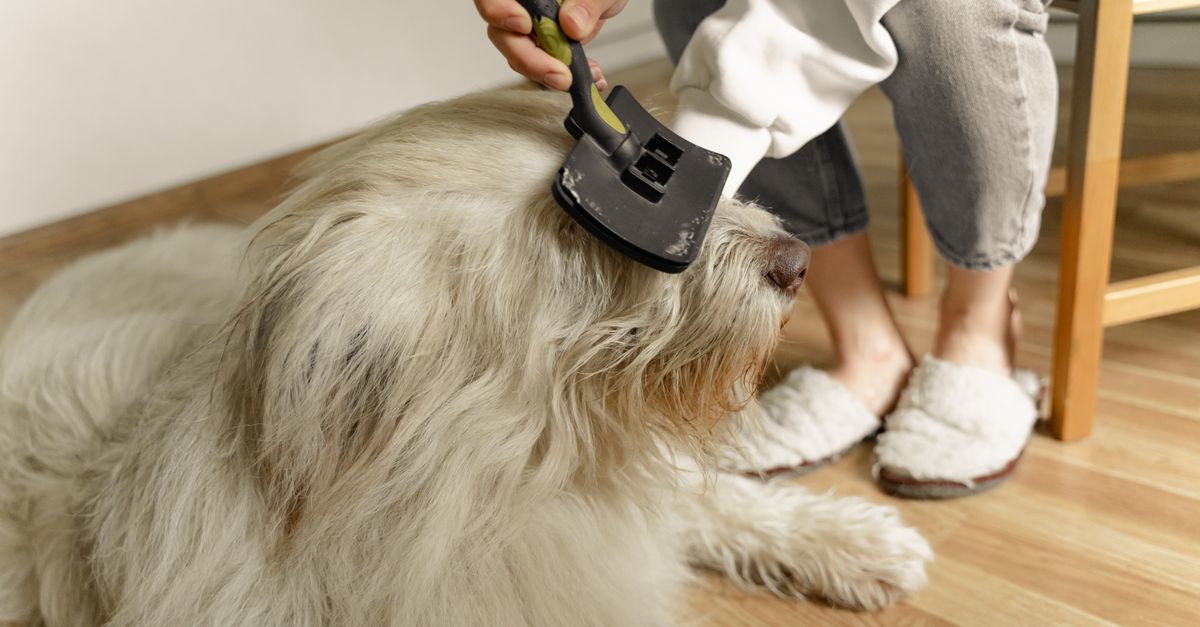
Bathing too often, using harsh shampoos, low indoor humidity in winter or a diet lacking essential fatty acids can all leave a dog's skin dry and flaky - and itchy. Proper coat care matters more than most owners realise; our article on dog coat grooming is a useful starting point. Omega-3 supplementation (fish oil, for example) is sometimes helpful for skin health, but dosage and whether it is indicated for your dog are questions for your vet.
How Does a Vet Diagnose Itching?
There is no single test that immediately identifies the cause. Your vet will take a thorough history - when it started, where the dog scratches, whether it is seasonal, what the dog eats, what parasite prevention is in place - and then examine the skin. Depending on what they suspect, they may request:
- Skin scrapes (to look for mange mites and other parasites)
- Skin cytology (to assess bacterial or yeast infection)
- An elimination diet (if food allergy is suspected)
- Allergy testing (for atopy - usually after other causes have been ruled out)
Do not try to pick treatment yourself. Steroids or antihistamines used without a diagnosis can mask symptoms and make it harder to reach the right answer later.
What Can You Do at Home?
If the scratching is mild and short-lived, start with a few basics:
- Check the coat and skin thoroughly for fleas and mites
- Make sure parasite prevention is current and appropriate for your dog's size and lifestyle
- Avoid over-bathing or using strong shampoos
- Watch for patterns - does the itch get worse after certain foods, after walking in certain places, or at certain times of year?
More than a few days of itching, open wounds from scratching or spreading skin changes - those are your signal to book an appointment.
Healthy skin and a well-kept coat mean your dog can get out there and live fully - sniffing, running, meeting the pack. Use the DogOut map to find dog-friendly parks, trails and spots near you, and get outside together.
Frequently asked questions
- Why is my dog scratching when there are no fleas?
- No fleas does not mean no problem. Itching can come from environmental allergies (pollen, dust mites), food allergies, a bacterial or fungal skin infection, mange or simply dry skin. A vet examination and skin history are needed to find the real cause.
- Where does a dog scratch with environmental allergies?
- The most common spots are the paws (chewed and licked until stained brown), the belly, armpits and groin, and around the ears and face. Itching that gets worse at certain times of year often points to a pollen allergy.
- What does a food allergy look like in a dog?
- A dog with a food allergy tends to itch all year round with no seasonal pattern. The ears, paws and belly are most often affected. The only reliable way to diagnose it is a strict elimination diet lasting at least 8-12 weeks, supervised by a vet.
- Can dry skin cause itching in dogs?
- Yes. Dry, flaky skin itches and can result from a deficiency of fatty acids in the diet, bathing too often or with harsh shampoos, low indoor humidity or an underlying endocrine condition. Your vet will identify the cause.
- When should I go to the vet immediately for dog itching?
- See a vet urgently if your dog is bleeding from scratching, has open wounds or large bald patches, the itching came on suddenly and is very intense, or other signs appear such as fever, vomiting or lethargy. Any itch that does not settle within a few days also needs a check-up.
- Can I treat my dog's itching at home?
- Mild, brief scratching after contact with grass can be monitored. But persistent or severe itching needs a vet - without a diagnosis you do not know what you are treating, and steroids or antihistamines used without a prescription can do more harm than good.