Dog Jumping on People - Why It Happens and How to Stop It
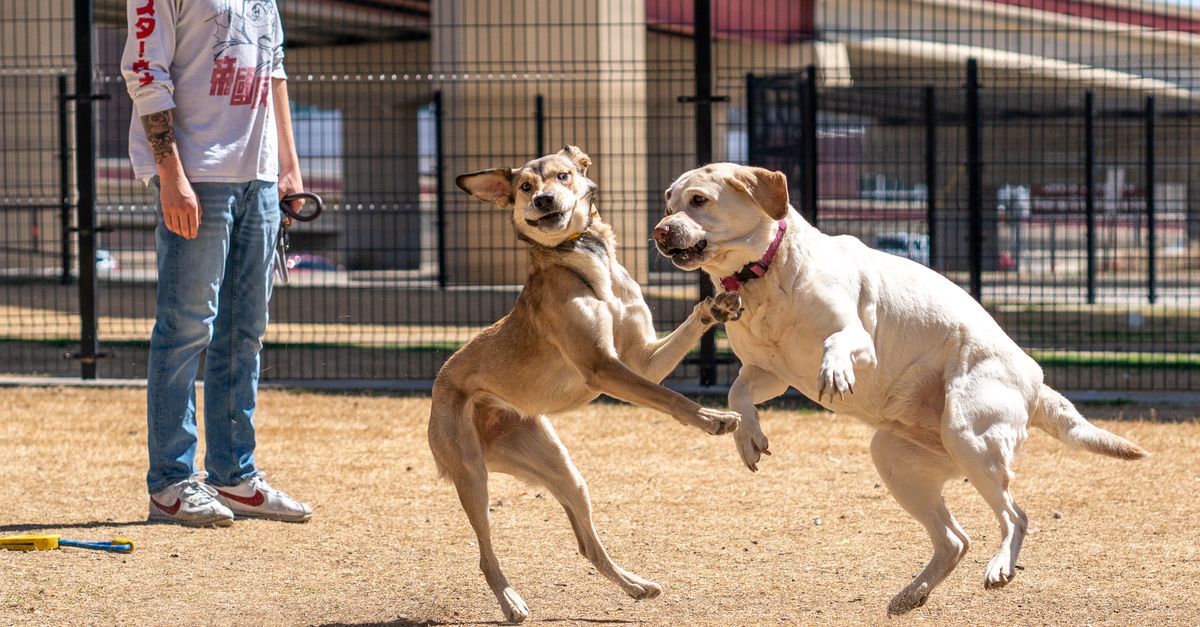
Dogs jump on people mostly to greet you and to get attention - because it works. Do not punish it. Instead, remove all attention when your dog jumps (turn away, hands up) and reward four feet on the floor and a calm sit to greet. The key is total consistency - every family member and every guest has to react the same way.
You walk in the door and your dog greets you with its whole body - paws on your chest, tail going like a propeller, pure joy. Adorable on a 5 kg puppy. Less adorable when that same joy weighs 30 kg and lands on your grandmother or a small child. The good news: jumping is fixable, and you do not need shouting or rough handling to do it. You need one clear plan and consistency from everyone in the house.
Why do dogs jump on people?
The most common reason is simple: greeting. Dogs say hello face to face, and your face is up high. By jumping, your dog closes the gap to your face and makes contact - exactly the way it wants to.
The second reason is attention. Jumping just works. When your dog jumps, something usually happens: you look at it, you talk to it, you pet it, or you push it off. To a dog, every one of those is a reward. Even shoving it away with a sharp "no" is interaction - which is the whole point. That is how the loop forms: the dog jumps, gets attention, so it jumps again.
This is not dominance or spite. It is a behaviour that once paid off and stuck. And because it was learned through reward, you can unlearn it by changing the reward.
What not to do
Before the part that works, one important thing: do not punish your dog for jumping. Yelling, kneeing the chest, stepping on back paws, shoving - all of it either gives the dog the attention it wanted or creates fear and damages your relationship. An over-aroused, frightened dog jumps more, not less.
Positive methods are more effective, safer, and have no nasty side effects. The whole plan rests on one rule: jumping gets nothing, calm gets everything.
How to stop a dog jumping - step by step
The heart of the training is the "four on the floor" rule. Your dog earns attention and rewards only when all four paws are on the ground or it is sitting - never when it jumps.
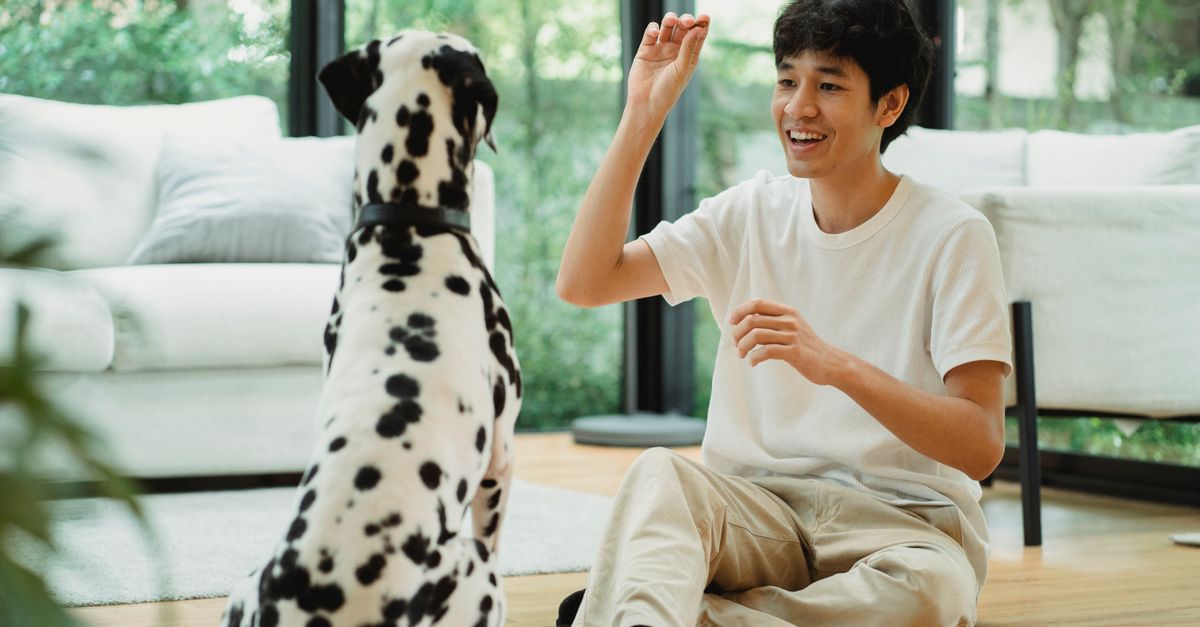
- Jumps - remove attention. When your dog launches up, turn side-on or away, tuck your hands up, say nothing, and give no eye contact. Become as boring as a wall.
- Four on the floor - reward instantly. The second all four paws hit the ground, calmly praise and reward - quiet petting or a treat dropped low, near the floor.
- Repeat at every entry. Consistency is everything. Your dog needs to see the same reaction every single time to connect cause and effect.
- Add a sit to greet. Once your dog gets that calm pays off, ask for a sit before you greet it. A sitting dog physically cannot jump. This is your gold-standard reaction for every greeting.
- Practise cold. Do not wait for real guests. Walk in and out of the door a few times, rehearsing calm greetings while your dog is less wound up.
A great trick for an over-excited dog: scatter a few treats on the floor the moment you arrive. A dog cannot jump and sniff the ground at the same time - and it quietly learns that good things happen down low, not up high.
A sit to greet works best when your dog already has a solid sit. If you are just starting out, build the basics first in our guide on how to teach your dog to sit, then move it to the door.
Consistency - everyone, guests included
This is where most training falls apart. The plan only works if everyone reacts the same way. If you ignore the jumping but your partner pets the dog mid-jump and your uncle laughs and slaps its back, the dog gets mixed signals and learns nothing. One person rewarding a jump can undo weeks of work.
| Situation | Good reaction | Bad reaction |
|---|---|---|
| Dog jumps to greet | Turn away, hands up, zero attention | Petting, talking to it, pushing it off |
| Dog stands calmly, four on the floor | Praise and reward immediately | Ignoring the calm |
| Guest comes into the house | Ask the guest to greet only once the dog sits | Allowing an excited, jumpy greeting |
| Dog is highly aroused | Lead or baby gate, scattered treats | Scolding, yanking |
A practical rule: brief your guests at the door. One sentence - "ignore him until he sits" - saves weeks of undone work. If a guest will not cooperate, or your dog is too wound up, keep it on a lead or behind a gate until the excitement drops. That is not punishment - it is management, so your dog never gets to practise the bad habit.
Is it a training issue or an emotional one?
Most jumping is just an over-enthusiastic greeting habit, and plain training solves it. Sometimes, though, jumping is a symptom of general over-arousal - a dog that does not get enough exercise and stimulation explodes at every opportunity. A well-exercised dog greets more calmly. Good dog socialization helps too - a dog that knows the world and people reacts to them with less hysteria.
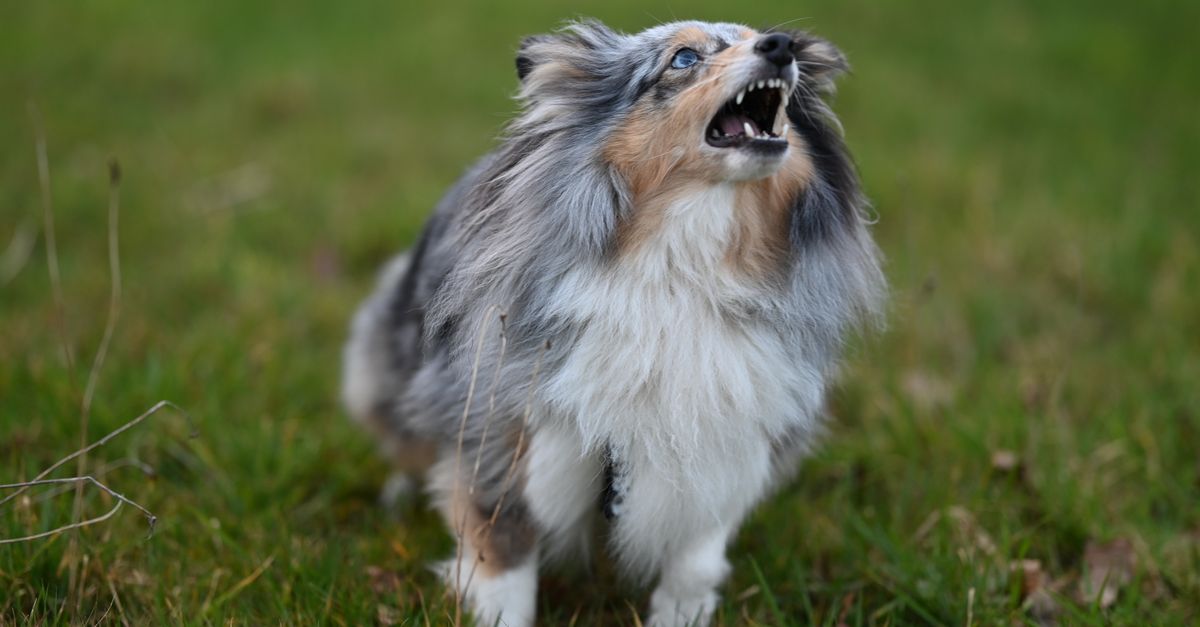
If the jumping comes with behaviour you cannot manage - growling, frantic barking, attempts to bite - or the arousal is so intense the dog cannot hear you at all, talk to a behaviorist. Excessive vocalising and jumping often travel together; we cover the barking side in our piece on how to stop your dog barking. A specialist can assess whether fear or poor impulse control is behind it.
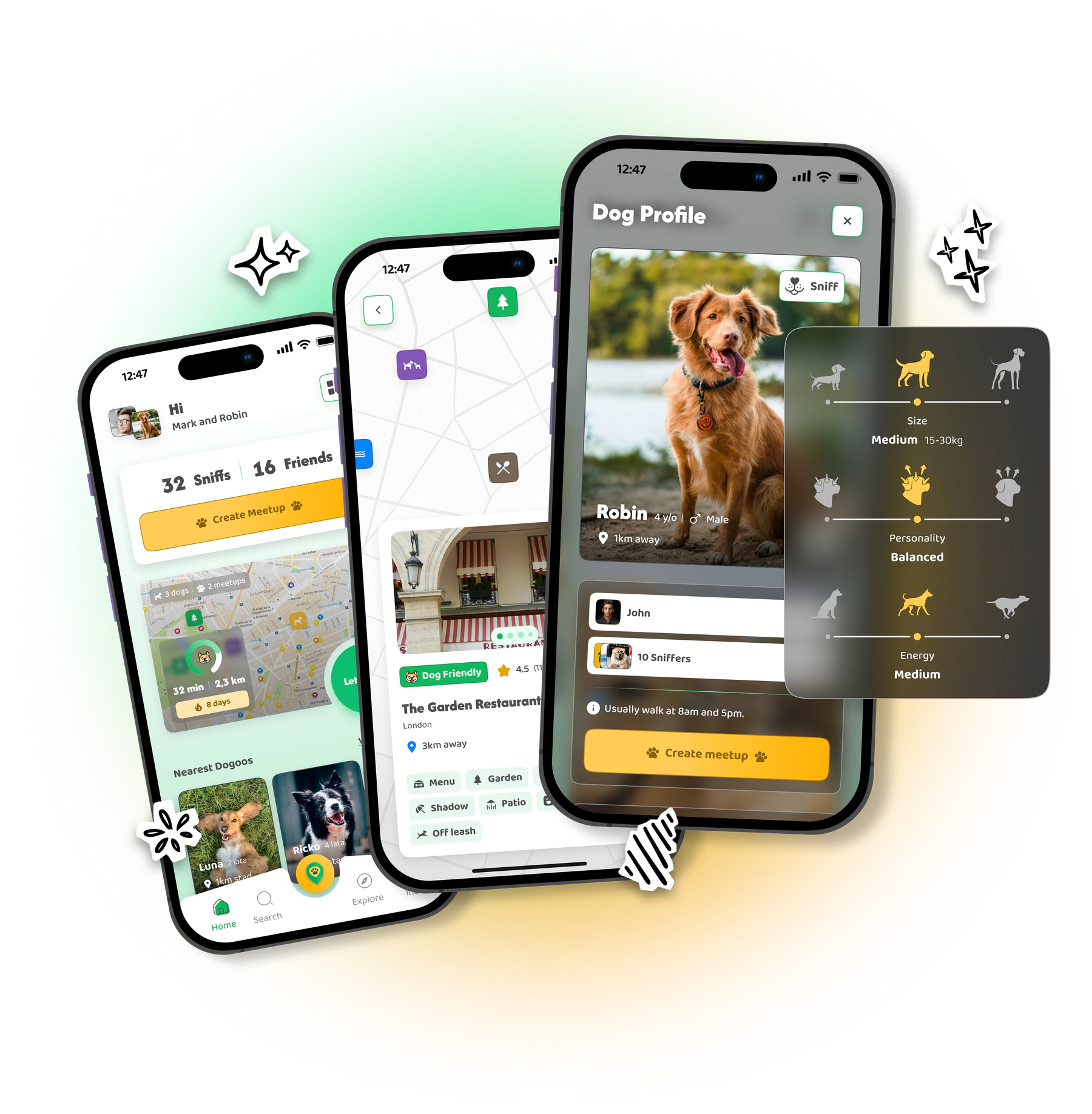
A calm greeting is a habit built in the real world - at the door, on walks, at the dog park. Get out there with your dog on the DogOut map, set up a walk with someone nearby, and practise calm hellos where they actually count. The more movement and contact your dog gets, the fewer leaps you will catch on the way in.
Frequently asked questions
- Why does my dog jump on people?
- Mostly to greet you. Dogs say hello face to face, and jumping brings them up to your level. Jumping is also a reliable way to get attention - and if you ever respond with petting, talking, or even pushing the dog off, it learns that jumping works.
- Does punishing a dog for jumping work?
- No. Shouting, kneeing, or pushing your dog off still counts as attention, so it often reinforces jumping rather than stopping it. Punishment can also create fear and make the behaviour worse. Ignoring the jump and rewarding a calm greeting is more effective and far safer.
- How do I stop my dog jumping up to greet?
- The moment your dog jumps, turn side-on, tuck your hands away, and give zero eye contact - no attention at all. The instant all four paws are on the floor or the dog sits, reward calmly with a treat or quiet praise. Repeat at every entry until your dog learns that calm pays better than jumping.
- What if guests let my dog jump on them?
- Ask every guest to do the same thing: ignore the jumping dog and only reward it once it is standing or sitting calmly. One person petting a dog mid-jump can undo weeks of work. If a guest will not cooperate, keep the dog on a lead or behind a baby gate until it settles.
- Will my dog grow out of jumping on people?
- Usually not on its own - jumping sticks around because it keeps paying off in attention. Without consistent training, the puppy whose jumping was cute grows into an adult dog that knocks over kids and muddies guests. The earlier you teach a calm greeting, the easier it is.
- When should I see a behaviorist?
- If the jumping comes with uncontrollable over-arousal, or with growling, barking, or attempts to bite, talk to a qualified behaviorist. They can assess whether fear or poor impulse control is driving it and build a plan tailored to your dog.