How to Tire Out a Dog Indoors - Proven Methods for Energy and Boredom
You can tire out a dog indoors by combining mental and physical activities. 15 minutes of intense scent work or trick training can exhaust a dog as much as a 30-45 minute walk. The most effective methods are: snuffle mats, hide-and-seek with treats, stair fetch, frozen Kongs, food puzzles, and short training sessions.
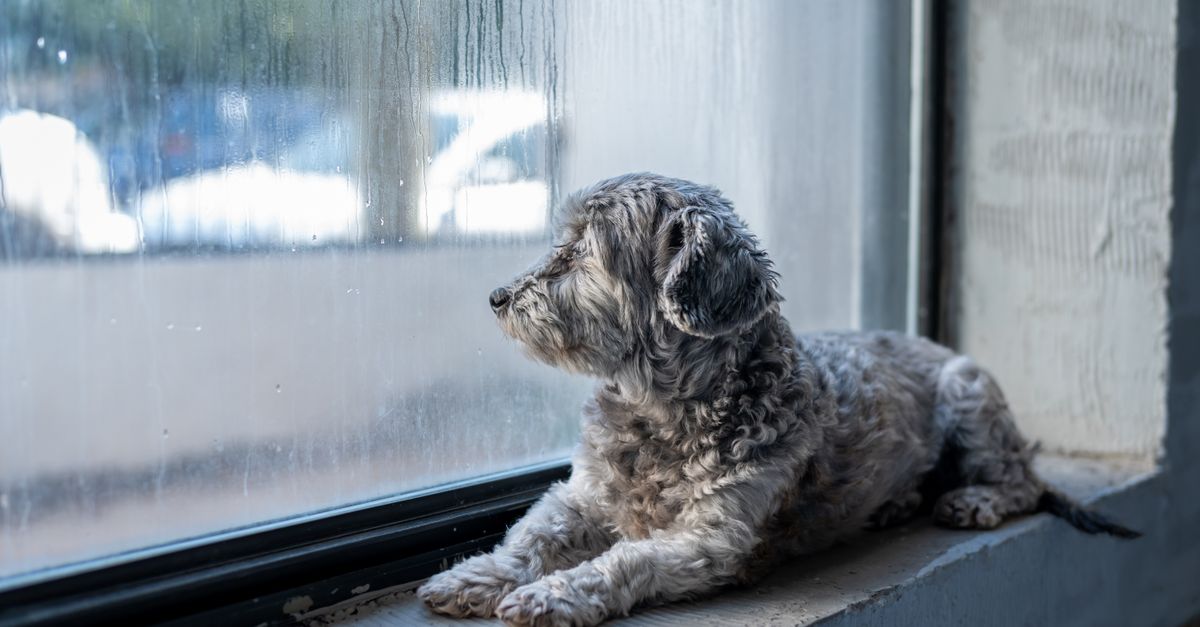
Rain, injury, a heatwave - some days outdoor walks just aren't happening. Meanwhile your dog is doing laps of the flat and staring at you like you've personally cancelled all fun. Good news: you can genuinely tire a dog out indoors. It takes creativity more than square footage.
Why mental tiredness hits harder than running?
Physical exercise matters, but mental work tires a dog faster and more deeply than movement alone. Dogs have up to 300 million olfactory receptors (humans have about 6 million), and the part of the canine brain dedicated to processing scent is proportionally 40 times larger than ours.
When a dog is intensively sniffing, searching for hidden treats, or learning a new trick, the brain is running at full capacity. This creates genuine tiredness while releasing endorphins and serotonin - calming rather than winding the dog up.
Research by Duranton and Horowitz (2019) found that dogs regularly performing scent-based tasks were more emotionally balanced and calmer than dogs doing only obedience training. Scent work activates the parasympathetic nervous system - the body's "rest and digest" mode - meaning measurably lower stress and tension.
The best ways to tire out a dog indoors
1. Scent work - snuffle mats and treasure hunts
This is the single most effective indoor option. Make a snuffle mat from strips of fleece woven through a rubber mat (or buy one ready-made) and hide treats inside. Another version: hide treats under cups, inside stacked cardboard boxes, or tucked into different corners of a room.
The approach is simple: remove the dog from the room, hide treats, invite them to search. Start easy - let the dog succeed and build confidence. Gradually make the hiding spots trickier.
15-20 minutes of this kind of activity can be as tiring as a 30-45 minute walk.
2. Frozen Kongs and food puzzles
A Kong stuffed with wet food, plain yoghurt, or mashed banana and frozen overnight can hold a dog's attention for 20-40 minutes. Food puzzles at levels 1-3 require dogs to slide, lift, and turn components to reach hidden treats.
Start simple. A puzzle that's too hard too soon leads to frustration - not satisfying tiredness. When your dog masters a level, move up.
3. Trick training and short training sessions
Learning a new command like "stay", a shake-paw trick, or a short sequence of behaviours is excellent mental exercise. Sessions should last 5-10 minutes - not longer, because dogs lose focus and learning stops being efficient.
Indoor session rules:
- Start with something the dog already knows (success builds motivation)
- Use high-value rewards - meat treats, cheese
- End before the dog starts making mistakes
4. Fetch and tug indoors
Fetch down a hallway or up and down stairs combines physical effort with simple mental engagement. Stairs in particular change the muscle groups being used and tire a dog faster than flat-surface running.
Note: avoid stair fetch for puppies (until approximately 12-18 months depending on breed), dogs with orthopaedic issues, and brachycephalic (flat-faced) breeds. A few sets of 3-5 throws per session is enough.
5. Hide-and-seek with your dog
Dog sits and waits in one room while you hide in another. Call them - the dog tracks you by scent and sound through the whole flat. It layers recall practice with scent work and physical movement across multiple rooms.
Perfect for days when going out isn't an option: genuinely tiring, and it strengthens the bond at the same time.
6. Chewing as a form of calm
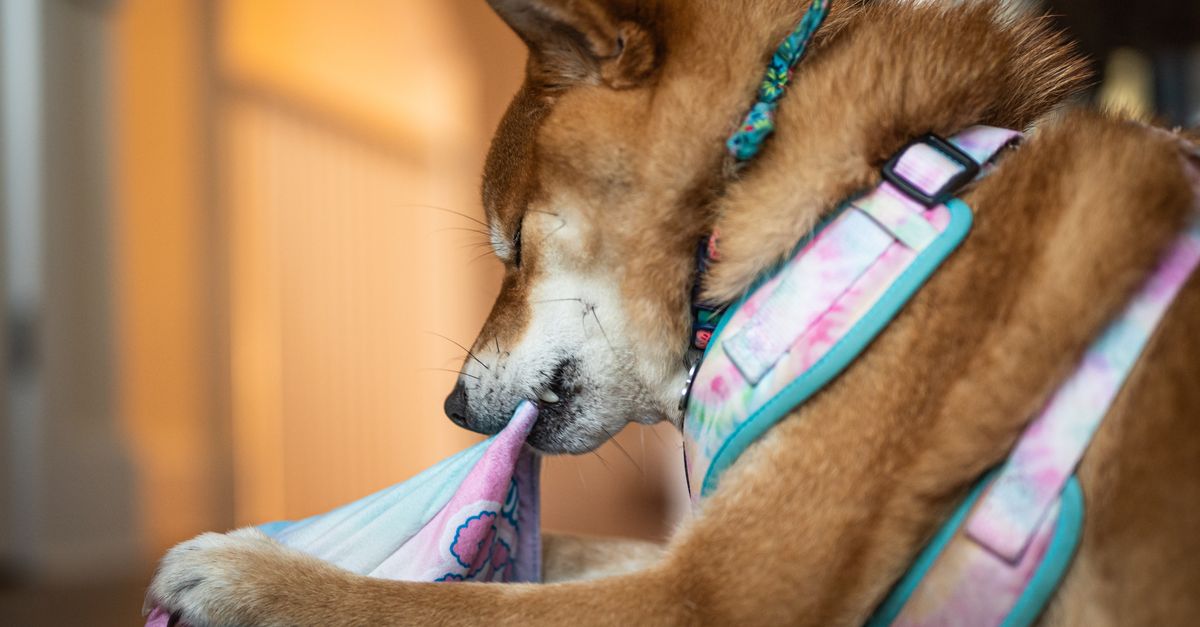
Hard chew toys, dried treats, and long-lasting chews are not just passive activities - they are a natural form of relaxation and stress relief. The jaw works hard, endorphins are released, and the dog genuinely settles. A 15-minute chew session before bed helps many dogs wind down more effectively than another walk.
How much time should indoor activities take?
| Activity | Duration | Tiredness level |
|---|---|---|
| Snuffle mat / treat hunt | 15-20 min | Very high (mental) |
| Frozen Kong | 20-40 min | High (mental + physical) |
| Food puzzles | 10-20 min | High (mental) |
| Trick training session | 5-10 min | High (mental) |
| Indoor fetch / stair fetch | 10-15 min | High (physical + mental) |
| Hide-and-seek with owner | 10-15 min | Medium (physical + scent) |
| Chewing / long-lasting treat | 15-30 min | Calming |
What if nothing seems to work?
If your dog is still bouncing off the walls after a full day of indoor activities, it's a sign they need a consistent daily routine - not a one-off dose of stimulation. Build mental activities into the rhythm of the day: snuffle mat instead of a food bowl in the morning, a short training session before lunch, a Kong at dinner.
If hyperactivity is severe and affecting daily life, a consultation with a qualified, positive-methods behaviourist is worth considering. Excess energy can sometimes indicate anxiety or gaps in the daily plan - not just insufficient exercise.
No-walk days are the exception, not the rule. When conditions improve, the DOGOUT map shows you off-lead areas, quiet paths, and spots discovered by other dog owners near you - so you can both get back out there properly.
Frequently asked questions
- Can you tire out a dog without going outside?
- Yes - combining scent work, trick training, and physical activity indoors can tire a dog just as effectively as a walk. 15 minutes of intense mental stimulation is roughly equivalent to 30-45 minutes of walking for most dogs.
- What tires a dog out the most indoors?
- Scent work - snuffle mats, hide-and-seek with treats, nosework games - is one of the most mentally exhausting activities for dogs. Their brains work intensely when processing smells, which leads to genuine, healthy tiredness faster than passive play.
- How long should indoor activity sessions last?
- 10-20 minutes of focused, engaging activity split into 2-3 shorter sessions is usually enough. Quality of engagement matters more than duration - a mentally tired dog will settle down on its own far sooner than one left to wander aimlessly.
- Which puzzle toys are best for dogs?
- Start with level 1-2 puzzles, snuffle mats, or a stuffed Kong. Once your dog has mastered a difficulty level, move up. A puzzle that's too hard early on creates frustration rather than satisfying tiredness.
- Is stair fetch safe for dogs?
- For a healthy adult dog, yes. Avoid it for puppies (rapidly developing joints), dogs with orthopaedic problems, and flat-faced (brachycephalic) breeds. A few sets of 3-5 throws per session is plenty - don't push for endurance.
- How do I tire out a hyperactive dog indoors?
- Hyperactive dogs benefit most from a predictable daily routine. Combine calming scent work with short bursts of physical play. Avoid very stimulating games close to bedtime. If hyperactivity is severe and disruptive, a consultation with a qualified behaviourist is worth considering.