Hypoallergenic Dogs - The Truth for Allergy Sufferers

No dog is truly 100% hypoallergenic. Dog allergies are triggered by proteins in a dog's saliva, dander (dead skin) and coat oils - not the hair itself. Low-shedding breeds can reduce reactions but never remove them. The most reliable step: spend plenty of time with the specific dog before you commit, watch how you react, and see an allergist if you're unsure.
Dreaming of a dog but sneezing at the thought of all that hair? Before you trust a breeder's promise of a hypoallergenic dog, get the facts straight. The truth is less glossy than the marketing - but here's the good news: living with a dog is doable even with allergies, as long as you go in smart.
Do hypoallergenic dogs exist?
Short answer: no. No dog is 100% hypoallergenic - not purebred, not mixed-breed, not the trendy doodle with a clever name. That's the consensus among vets and allergists, not just our take.
The word hypoallergenic literally means causing fewer allergic reactions, not none. That difference matters. A dog labelled hypoallergenic is, at best, a dog that may trigger a milder reaction in you - but nobody can guarantee it.
What actually triggers a dog allergy?
Here's the part that busts most of the myths. It isn't the hair. The culprit is proteins - chiefly an allergen called Can f 1. It's produced mainly in a dog's saliva and in its dander (those tiny flakes of dead skin).
The mechanism is simple: a dog licks and grooms itself, spreading saliva across its whole coat. The protein dries, flakes off with the dander, settles into the fur, and from there travels onto your clothes, your sofa, the carpet and finally into the air you breathe. The hair is just a carrier - not the problem itself.
That's why low shedding does not equal low allergen. Research even turned up something surprising: some low-shedding Poodles showed among the highest Can f 1 levels in their coat, while heavy-shedding Labradors showed clearly lower levels. Short hair doesn't protect you either - the amount of protein matters far more than hair length.
Which breeds get called allergy-friendly?
That said, some breeds genuinely release less hair, and therefore less of the allergen's carrier, around the home. The usual names:
| Breed / type | Coat | Why it gets recommended |
|---|---|---|
| Poodle (all sizes) | Curly, low-shedding | Loose hair stays in the coat instead of falling; needs regular clipping |
| Bichon Frise | Curly, dense | Sheds little but needs frequent grooming |
| Portuguese Water Dog | Curly / wavy | Active, low-shedding, a family favourite |
| Maltese | Long, silky | Low-shedding, small size means less allergen in the room |
| Miniature Schnauzer | Wiry, double coat | Drops little hair with regular hand-stripping or trimming |
| Yorkshire Terrier | Long, hair-like | Small dog, sheds very little |
Remember one thing: this table is about shedding, not allergen strength. They are two different things. A breed from the list improves your odds but guarantees nothing - the reaction depends on the individual dog and on your own body. If you're also weighing up space and temperament, see our guide to the best dogs for apartments - many breeds here make good flat-mates.
How to reduce reactions in practice
Since you can't remove the allergen, the game is about cutting your exposure - and that genuinely works. A concrete plan:
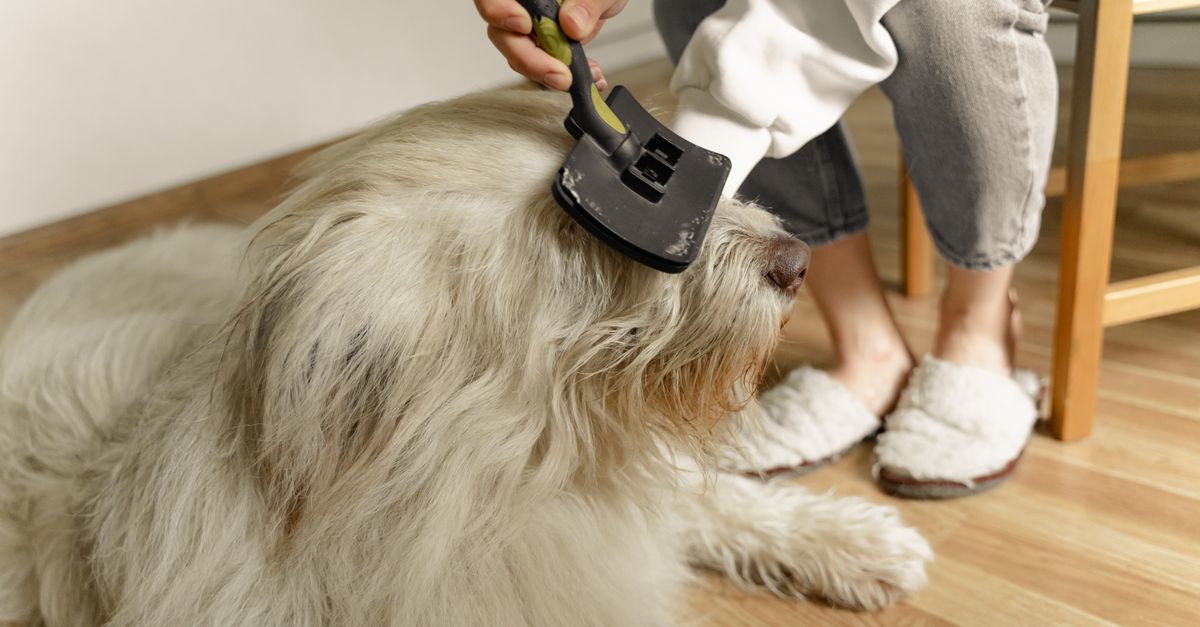
- Regular brushing - ideally outdoors, and ideally done by a non-allergic member of the household. Less loose hair indoors means less protein carrier. For how to match the technique to the coat type, read our guide to dog coat grooming.
- Bathing - regular but not excessive (too often dries the skin and worsens dander). Dog shampoo only, never human shampoo.
- A HEPA air purifier - in the rooms where you spend most time. It captures allergens floating in the air.
- Dog-free zones - the bedroom above all. Eight hours of sleep without exposure can change everything.
- Cleaning - frequent vacuuming (HEPA filter), washing the dog's bedding, fewer rugs and soft furnishings that store allergens.
- Hand hygiene - wash your hands after petting, and don't rub your eyes.
The step that matters most: meet the dog first
No breed list and no guide can replace one thing: spend real time with the specific dog before you commit. Reactions are so individual that this is the only reliable test. Visit the breeder or shelter several times, pet the dog, hang around its space for longer than five minutes - symptoms can take a while to show up after exposure starts.
If you can, spend a whole day with the dog or borrow a friend's dog for a weekend. And before you even start the search, consider seeing an allergist for a test (a skin-prick test, for example) - you'll learn how strong your reaction is and whether other allergens are in play. That's not over-caution; it's how you avoid the heartbreak of returning a dog after a month.
Keep in mind too that the dog who joins your home needs more than the right coat - it needs movement, contact and solid socialization. That's the long-term investment you make together.
The takeaway
A dog for an allergy sufferer isn't a myth, but it isn't magic either. A 100% hypoallergenic dog doesn't exist. Pick a low-shedding breed, cut your exposure at home, and - above all - test your reaction on the actual dog, ideally with an allergist's help.
And once you've found your dog, don't shut yourselves indoors. Check the DOGOUT map for parks, off-leash areas and routes near you, line up a walk with another owner, and give your dog what it really needs - the world outside. Get out there and let your dog live.
Frequently asked questions
- Is any dog 100% hypoallergenic?
- No. No dog is completely hypoallergenic. Every dog produces allergens, mainly a protein called Can f 1 found in saliva and dander. Low-shedding breeds may spread fewer allergens around your home, but they never eliminate them.
- What actually causes a dog allergy?
- Not the hair itself, but proteins - chiefly Can f 1. It comes from saliva, dander (dead skin flakes) and skin secretions. The dog spreads it across its coat when it licks and grooms, and from there it lands on clothes, furniture and into the air you breathe.
- Which breeds are considered good for allergy sufferers?
- Commonly named breeds include the Poodle, Bichon Frise, Portuguese Water Dog, Maltese, Miniature Schnauzer and some terriers. These shed little, but low shedding does not mean low allergen - studies show their Can f 1 levels are not actually lower than heavy shedders.
- Can I own a dog if I'm allergic?
- Often yes, but it takes a careful approach. Spend a lot of time with the specific dog before deciding, consider an allergy test with an allergist, and plan how you'll reduce allergens at home. Reactions are highly individual - one dog may bother you while another barely does.
- How do I reduce dog allergens at home?
- Regular brushing and bathing (ideally done by a non-allergic person), a HEPA air purifier, frequent vacuuming and washing the dog's bedding, plus dog-free zones - especially the bedroom. This won't remove the allergen, but it genuinely cuts your exposure.
- Does short hair mean fewer allergies?
- Not necessarily. The length or amount of hair doesn't decide the reaction - the protein from saliva and dander does. A short-haired dog that sheds and licks a lot can trigger a stronger reaction than a low-shedding dog with long curly hair.