Large Dog Breeds - What You Need to Know Before Getting a Giant
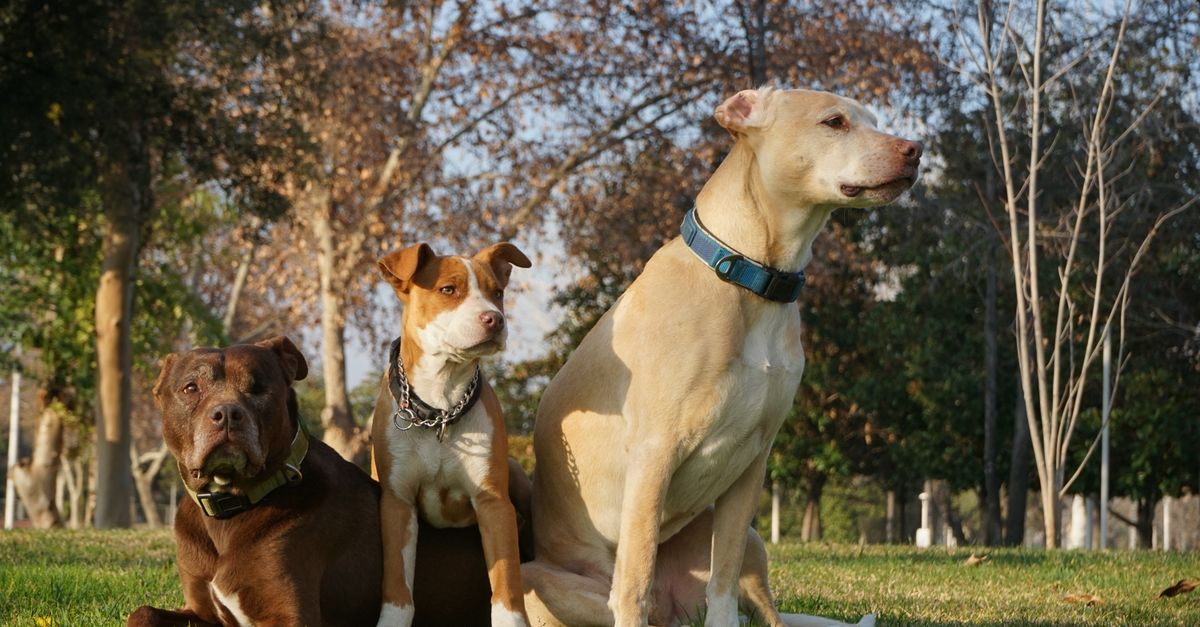
Large dog breeds are generally dogs weighing over 25-30 kg (55-66 lb) and standing more than 60 cm (24 in) at the shoulder. Popular examples include the Labrador Retriever, German Shepherd, Golden Retriever, Saint Bernard, and Great Dane. They are loyal, calm indoors, and great with families - but they need daily exercise, regular vet care, and a deliberate diet. The bigger the dog, the higher the costs and the shorter the lifespan - facts worth knowing before you commit.
A large dog is not just a small dog scaled up. It is a fundamentally different commitment: different nutritional needs, different exercise demands, different costs - and, unfortunately, a different lifespan. If you are considering a big dog, this guide gives you the real picture before you decide.
What counts as a large breed?
The accepted threshold is roughly 25-30 kg and 60 cm at the shoulder. Above about 45-50 kg we enter giant breed territory. In practice that means a dog that takes up half the sofa, eats like a small human, and needs a properly sized lead, harness, and crate.
Large breeds also mature more slowly than small ones - many do not reach their full adult size until 18-24 months of age.
Popular large breeds - quick comparison
| Breed | Adult weight | Shoulder height | Average lifespan |
|---|---|---|---|
| Labrador Retriever | 25-36 kg | 54-62 cm | 10-12 years |
| Golden Retriever | 25-34 kg | 51-61 cm | 10-12 years |
| German Shepherd | 22-40 kg | 55-65 cm | 9-13 years |
| Saint Bernard | 60-120 kg | 65-90 cm | 8-10 years |
| Newfoundland | up to 80 kg | up to 71 cm | 8-10 years |
| Great Dane | up to 90 kg | up to 90 cm | 7-10 years |
| Irish Wolfhound | up to 80 kg | up to 90 cm | 6-8 years |
| Bernese Mountain Dog | 32-52 kg | 58-70 cm | 7-10 years |
Figures are breed standard averages - individual dogs vary.
Which breeds suit different lifestyles?
Labrador Retriever - the all-rounder. Friendly, trainable, and adaptable to city life provided it gets its daily exercise. One of the most popular family dogs worldwide for a reason.
Golden Retriever - similar temperament to the Labrador, but with a longer coat that needs regular grooming. Exceptionally patient with children and enthusiastic about almost any outdoor activity.
German Shepherd - versatile and intelligent, equally at home as a family companion, working dog, or sporting partner. Needs mental stimulation as much as physical exercise - boredom is its enemy.
Saint Bernard and Newfoundland - gentle giants that thrive with space, calm, and a budget to match. Magnificent dogs, but their size is genuinely imposing and they deserve an owner who can handle them confidently on a lead.
Want to know how much daily walking each of these breeds actually needs? How many walks does a dog need breaks it down by energy level and age.
Exercise - how much and what kind
Most large adult dogs need at least 60-90 minutes of physical activity per day, split across two or three outings, including at least one longer walk. Working breeds (German Shepherd, Malinois) and sporting breeds (retrievers) often need more and thrive with activities like fetch, nose work, or swimming.
One critical rule: large-breed puppies should not exercise intensively. Their joints and growth plates are still developing for many months - too much impact load too early is a known risk factor for dysplasia. Long lead walks and relaxed sniff sessions - yes. Distance running - not until the vet confirms growth plates have closed, typically around 12-18 months depending on breed size.
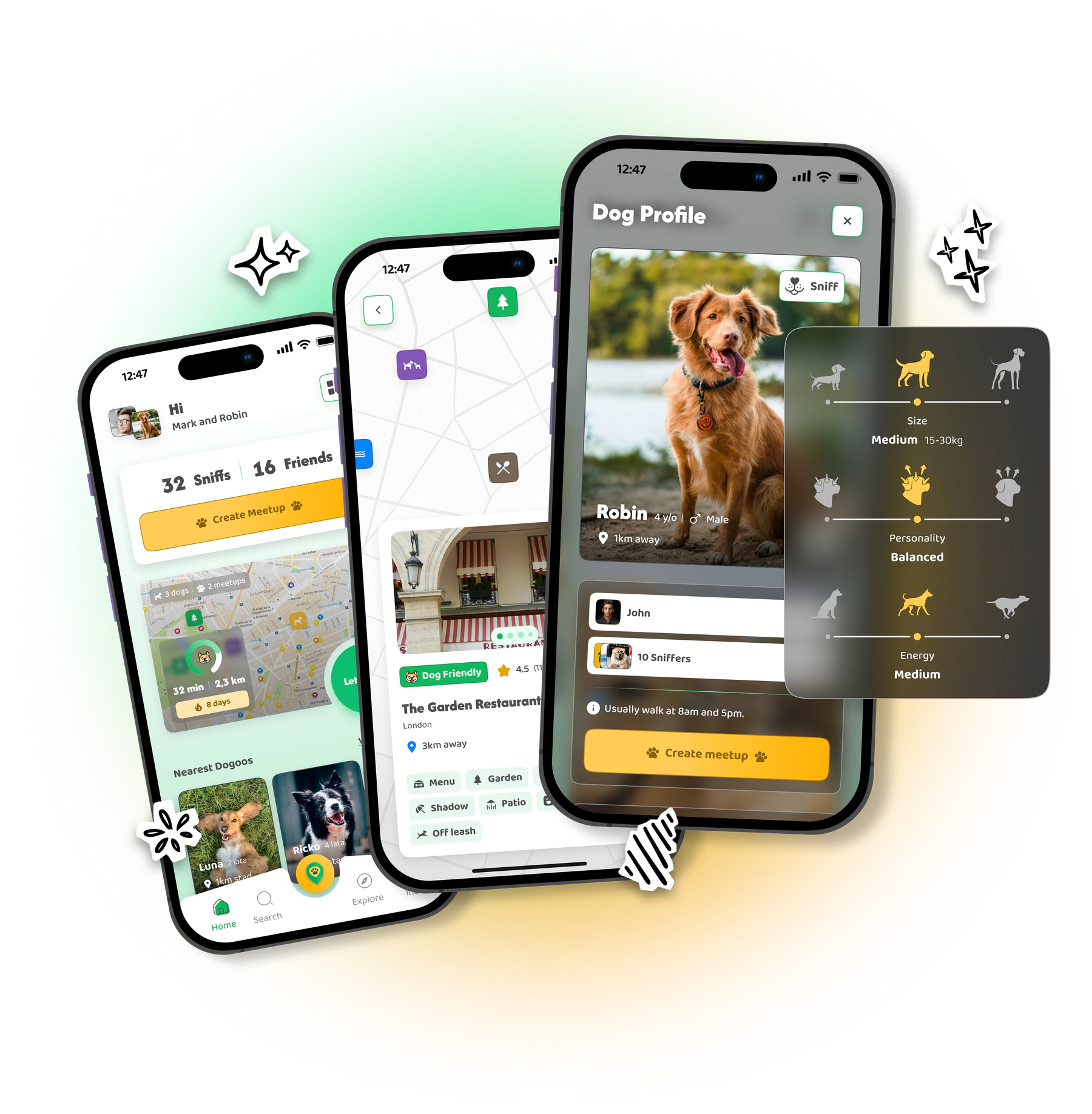
Looking for good spots to walk a big dog? The DOGOUT map shows off-lead areas, parks, and dog-friendly spots added by local owners. Also worth reading: how to make dog walks better for ideas beyond the standard A-to-B circuit.
Health - what to watch out for
Joint dysplasia
Hip and elbow dysplasia are among the most common conditions in large breeds. The joint does not form correctly, leading to pain, lameness, and arthritis. Risk factors include genetics, rapid growth, and intense exercise during puppyhood. When choosing a dog from a breeder, always ask for X-ray certification of both parents.
Bloat (GDV)
Gastric dilatation-volvulus is a life-threatening emergency that strikes deep-chested large breeds in particular - Great Danes, Saint Bernards, and German Shepherds are among the highest-risk. The stomach fills with gas and can twist, cutting off blood flow. Prevention tips: do not feed immediately before or after vigorous exercise, split daily food into two or three smaller meals rather than one large one, and avoid raised bowls (current evidence does not support elevated feeders reducing risk - if anything the opposite). If you see a bloated abdomen, unproductive retching, or sudden distress, go to the vet immediately - GDV is fatal within hours without treatment.
Shorter lifespan
The larger the dog, the shorter the life - this is well documented. Great Danes and Irish Wolfhounds may live only 7-8 years. Labradors and German Shepherds typically reach 10-12 years. This is an important consideration: a large dog is an intense, but often briefer, shared journey. For a full breakdown by breed see how long do dogs live.
Can a large dog live in a flat?
Yes - with one important condition. Many large breeds are surprisingly relaxed indoors: a Great Dane can sleep for most of the day. The deciding factor is not floor space but consistent outdoor exercise. A large dog that gets 60-90 minutes of activity daily is typically calm and content in a flat.
For a detailed look at which large breeds handle flat life best, check out best dogs for apartments.
Costs - plan the budget honestly
Quality food for a 40 kg dog can cost 60-120 EUR per month. Add routine vet care, vaccinations, deworming, equipment (lead, harness, appropriately sized crate), and potential treatment costs - which tend to scale with the dog's size. Health insurance is increasingly treated as standard by large-breed owners, and for good reason.
Choosing a large dog also means choosing a way of life: more movement, more presence on the lead, more planning around parks and space. But also more warmth, a real physical companion, and a pack member that is hard to miss. Get out there, pull up the DOGOUT map, find an off-lead area near you, and line up a walk with a dog whose energy matches your own.
Frequently asked questions
- What weight counts as a large breed dog?
- The general threshold is around 25-30 kg (55-66 lb) in adulthood, standing over 60 cm (24 in) at the shoulder. Above roughly 45-50 kg (100 lb) we enter giant breed territory - think Great Danes and Saint Bernards.
- Which large dog breeds are best for families with children?
- Labrador Retrievers and Golden Retrievers are widely regarded as the most patient and gentle with children. Saint Bernards and Newfoundlands also make excellent family dogs, though their sheer size calls for supervision around very young children.
- Can a large dog live in a flat?
- Yes - many large breeds, including Labradors and even Great Danes, are surprisingly calm indoors. The key is enough outdoor exercise: a minimum of 60-90 minutes a day. Lack of movement, not lack of floor space, is the main challenge with a big dog in a flat.
- How long do large dog breeds live?
- Considerably less than small breeds. Labradors and German Shepherds typically live 10-13 years. Giant breeds like the Great Dane and Saint Bernard often reach only 7-10 years. As a rule, the bigger the dog, the shorter the average lifespan.
- What health problems are large dogs prone to?
- Large breeds are especially susceptible to hip and elbow dysplasia, bloat (gastric dilatation-volvulus or GDV), heart conditions, and orthopaedic problems linked to rapid growth. Regular vet check-ups and appropriate nutrition are essential.
- How much does it cost to keep a large dog?
- More than a small one. Quality food alone for a 40 kg dog can run 60-120 EUR per month, on top of preventive vet care, vaccinations, equipment (lead, harness, crate), and potential treatment costs - which tend to be higher for large breeds. Pet insurance is worth considering from day one.