Maltese Dog Temperament and Character - Is This Breed for You?
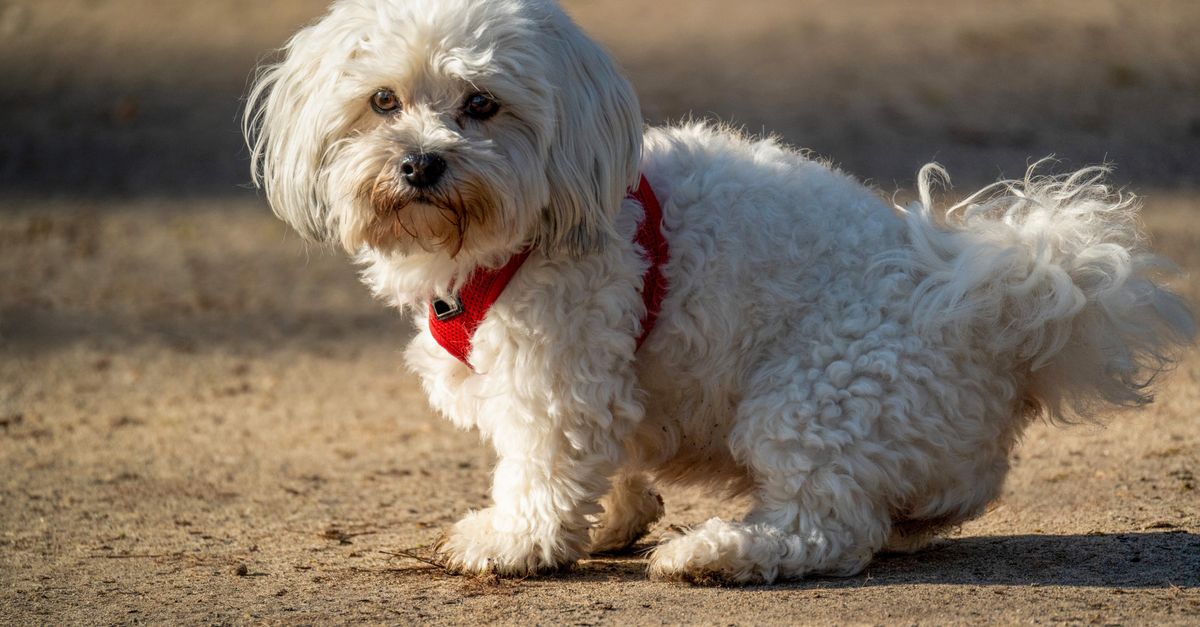
The Maltese is a small, affectionate, people-focused dog with a gentle temperament. It's intelligent and eager to please, does well in a flat, and doesn't need strenuous exercise - around 30-60 minutes a day is enough. The biggest commitments are the long white coat, which needs near-daily brushing, and a tendency toward strong attachment and barking when left alone. It suits people who are home a lot and don't mind grooming.
Small, white, with a silky coat and a gaze that's hard to ignore - the Maltese is one of the oldest companion breeds in the world. Before you fall for the looks, though, it's worth knowing what its character is really like and how much work that showy coat takes. Here's an honest picture of the breed: temperament, needs, health, and who a Maltese genuinely suits.
Where does the Maltese come from?
The Maltese has an ancient lineage - dogs of this type kept people company around the Mediterranean thousands of years ago, mainly as lapdogs of courts and merchant homes. They were never field or livestock workers; their job was companionship. You can still see that heritage in the character today: the Maltese is people-oriented, wants to be close, and copes poorly with isolation.
That history also explains the temperament. A breed selected over centuries to be a companion tends to be gentle, attached, and sensitive to its owner's mood. The Maltese has no strong hunting or guarding instincts - its "work" is being with you.
Maltese character and temperament
The Maltese packs energy and affection into a surprisingly small body. The key traits:
Attachment to its owner is the breed's signature. A Maltese wants to be wherever you are - on your lap, at your feet, under the desk. It's endearing, but it has a flip side: a tendency toward over-attachment and separation anxiety if the dog never learns to be alone.
Intelligence and willingness to cooperate mean the Maltese learns quickly. It responds to gentle, positive methods and enjoys learning tricks together. Harsh methods discourage it and can lead to withdrawal.
Courage in a small body - a Maltese often doesn't realise its own size and may challenge much larger dogs. Here the owner's job is to protect it from the consequences of that bravado.
Alertness - this is a dog that announces a visitor or a sound at the door with a bark. It's no guard dog, but the alarm works.
| Trait | Description |
|---|---|
| Attachment to owner | Very high - wants to be close all the time |
| Friendliness toward people | High - sociable, though can be wary of strangers |
| Energy level | Moderate - lively but doesn't need strenuous exercise |
| Trainability | High - intelligent, responsive to positive methods |
| Tolerance of being alone | Low - prone to separation anxiety |
| Tendency to bark | Medium to high - alert, announces sounds |
| Grooming needs | Very high - the long coat is daily work |
How much exercise and stimulation does a Maltese need?
The Maltese has moderate exercise needs, but that doesn't mean it can lie on a cushion all day. An adult dog is usually content with 30-60 minutes of activity daily, split across 2-3 shorter walks and play at home.
Mental stimulation is key, though. A bored Maltese can bark, shadow its owner step for step, and seek attention in unwelcome ways. It helps to include:
- scent games and hunting for hidden treats,
- learning simple tricks (the breed loves it),
- snuffle mats and interactive toys for time spent alone.
Because it's so small, the Maltese cools down and overheats easily, so in hot or cold weather it's wise to shorten walks and adjust the routine to the conditions.
Grooming - the most demanding part of the breed
There's no point sugar-coating it: the white, long, silky Maltese coat is the biggest job in caring for this dog. Without an undercoat the breed barely sheds, but in return it needs:
- brushing almost every day to prevent matting (especially behind the ears and under the legs),
- regular baths with a good dog shampoo,
- care around the eyes - the pale coat stains easily from tear discharge,
- a groomer visit every few weeks for a clip and hygiene.
Many owners choose a shorter "puppy" clip, which keeps a charming look while dramatically cutting daily grooming time. That's a sensible compromise if you don't have time to detangle a full-length coat every day.
Health and lifespan
Maltese are a long-lived breed, reaching an average of 12-15 years and often more with good care. Like most small breeds, though, they're prone to a few characteristic issues:
- dental disease and tartar - small dogs are especially vulnerable, so dental hygiene matters here,
- patellar luxation (a slipping kneecap), showing as brief limping,
- eye problems and excessive tearing,
- a sensitive digestive system - watch the diet and avoid overfeeding.
Any worrying signs - limping, persistent tearing, loss of appetite, breathing trouble - are a reason to see your vet rather than search for advice online. Regular check-ups and weight control are the best prevention in such a small breed.
Who is the Maltese for, and who isn't it for?
A Maltese suits you if:
- you spend a lot of time at home and want a dog close by,
- you enjoy grooming or are ready for regular groomer visits,
- you want a small, gentle dog for a flat,
- a low-shedding coat matters to you.
A Maltese may be the wrong choice if:
- you're out all day and can't provide company,
- you have neither the time nor patience for daily coat care,
- you want a guard dog or one that tolerates solitude,
- there are very young children who might unintentionally hurt such a tiny dog (constant supervision needed).
The Maltese is a dog for someone who wants a daily partner, not an ornament on a shelf. The breed gives enormous affection and attachment, but in return it expects presence, consistency, and regular grooming. If you're ready for that, you'll find a loyal, cheerful companion for many years. And a well-socialised Maltese is happy to meet other dogs nearby - on the DogOut app you can find where to meet other owners and dogs for shared walks.
Frequently asked questions
- Do Maltese dogs bark a lot?
- A Maltese can be alert and will announce sounds at the door with a bark. Excessive barking usually comes from boredom, being left alone, or a lack of clear boundaries rather than the breed itself. Consistent training from puppyhood and enough stimulation generally keep barking within reasonable limits.
- Is the Maltese a good breed for allergy sufferers?
- The Maltese barely sheds and has no undercoat, which is why it's often suggested for people with allergies. No dog is truly 100% hypoallergenic, though - allergies are mainly triggered by proteins in saliva and dander, not the coat itself. Spend time with an individual dog before deciding and see how you react.
- How much exercise does a Maltese need?
- An adult Maltese needs roughly 30-60 minutes of activity a day, split across 2-3 shorter walks plus play at home. It's a breed with moderate exercise needs, but it copes poorly with boredom - scent games and shared play matter as much as distance covered.
- How do you care for a Maltese coat?
- The long, silky Maltese coat needs brushing almost daily to prevent matting. Many owners opt for a shorter clip, which makes grooming far easier. On top of that come regular baths, care around the eyes to limit staining, and a groomer visit every few weeks.
- Do Maltese dogs handle being alone well?
- Not really. The Maltese bonds strongly with its owner, and long hours alone can trigger stress, barking, and separation anxiety. If you're often out all day, you need a plan - gradual alone-time training, a dog sitter, or company.
- How long do Maltese dogs live?
- Maltese are a long-lived breed and typically reach 12-15 years, often more. Lifespan is shaped by genetics, weight, dental hygiene, and regular veterinary care. With good care, this is a dog that stays with a family for many years.