How to Muzzle Train a Dog - A Step-by-Step Guide
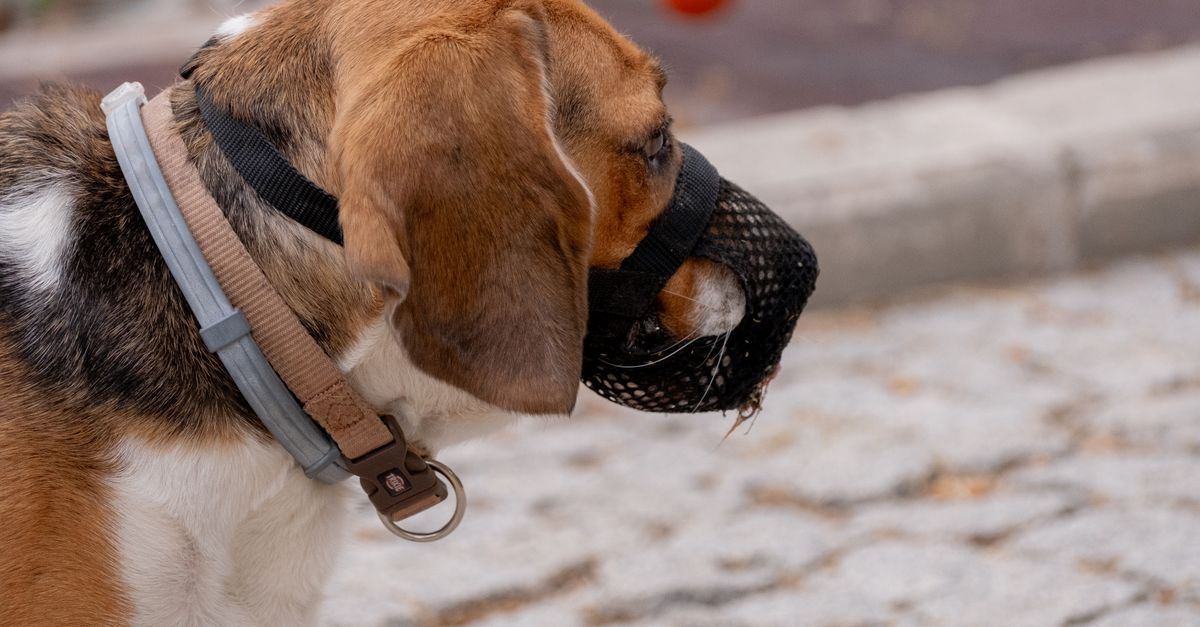
Muzzle training is a gradual process in which a dog learns to associate the muzzle with something pleasant before it ever has to be worn. Choose a basket muzzle that lets the dog pant, drink, and take treats freely. Start by rewarding your dog just for contact with the muzzle, then for putting its nose in, building up to longer wear. Never force a muzzle on or use it as punishment - a well-introduced muzzle is a safety tool your dog can even come to like.
For many owners a muzzle still brings to mind an aggressive dog - unfairly. It's simply a safety tool that comes in handy at the vet, when travelling, or in an emergency, and one any dog can calmly come to like if you introduce it wisely. Below we show how to choose a good muzzle and muzzle train your dog step by step, without stress or force.
Why teach a dog to wear a muzzle?
A muzzle isn't a sign that a dog is "bad". It's a sensible safeguard that protects the dog and those around it in many situations:
- at the vet - even the gentlest dog in pain may try to bite during a procedure,
- when travelling - some carriers, trains, and public transport require a muzzle,
- in training reactive dogs - it gives a safe margin for error while working on emotions,
- with dogs that scavenge - a basket muzzle guards against swallowing something dangerous,
- in emergencies - after an accident or injury, a frightened dog can be unpredictable.
The key point: muzzle training happens before it's urgently needed. A dog trained in calm conditions won't link the muzzle with the stress of the clinic or an accident.
How to choose a good muzzle
The best choice is a basket muzzle. It leaves the mouth enough room for the dog to freely:
- open its mouth and pant (that is, cool itself - crucial),
- drink water,
- take treats, which is the foundation of the whole training.
| Muzzle type | When it works |
|---|---|
| Basket muzzle | For training and longer wear - dog pants, drinks, eats |
| Fabric mouth-closing | Only very brief procedures, prevents panting |
| Poorly fitted, tight | Not suitable for anything - risk of overheating and injury |
The muzzle should be correctly sized: stable but not pinching, with room in front of the nose. When buying, go by muzzle circumference and snout length, not the breed alone. A well-fitted muzzle is easier for a dog to accept.
Muzzle training step by step
The whole trick is to make the muzzle predict something good before your dog ever has to wear it. Work in short, few-minute sessions and move to the next stage only when your dog is fully relaxed.
- Show the muzzle, reward - for merely looking at and approaching the muzzle, your dog gets a treat. Muzzle = good things.
- Nose inside - place a treat inside the muzzle so your dog puts its nose in to get it. Repeat until it does so willingly.
- Nose in for longer - reward your dog for holding its nose in the muzzle longer, feeding treats through the openings from the other side.
- Buckle briefly - fasten the muzzle for one or two seconds, then unfasten straight away and reward. Extend the time gradually.
- Movement in the muzzle - ask for a few steps, a simple cue, or play with the muzzle on, rewarding throughout.
- Muzzle on a walk - only once your dog is fully relaxed at home, move the training to short walks.
If at any stage your dog stiffens, tries to remove the muzzle, or turns its head away, step back and go slower. The dog sets the pace.
How to fit a basket muzzle correctly
A poorly fitted muzzle undermines the whole effort, so fit matters as much as training. A good basket muzzle should:
- leave room in front of the nose - your dog needs to open its mouth fully to pant and drink,
- sit stably without pinching - it shouldn't rub the eyes or press on the nose,
- allow treats through the front or side - essential for training and for keeping the experience positive,
- stay put - a well-adjusted strap behind the ears stops the dog pawing it off, without being tight.
Measure your dog's snout length and circumference before buying and compare against the manufacturer's sizing, rather than picking by breed. If you're between sizes, a reputable retailer or your vet can help you get it right. Padding on the noseband adds comfort for longer wear.
Keeping it positive long term
Muzzle training isn't a one-off. To keep the association good, wear the muzzle occasionally in neutral, pleasant situations - a short sniffy walk, a treat-scatter game in the garden - not only when something unpleasant is about to happen. A dog that only sees the muzzle before a vet needle will quickly learn to dread the sight of it.
Keep sessions short and always end on a calm, successful note. If life gets busy and you drop the training for a while, do a quick refresher before you'll actually need the muzzle, rather than assuming the dog still remembers.
The most common mistakes
- Forcing the muzzle on "straight away" - the fastest way to make a dog hate the muzzle for good.
- Using the muzzle as punishment - it should feel neutral or positive, never linked to punishment.
- Wrong sizing - too tight prevents panting, too loose slips and frustrates the dog.
- Sessions too long - a few minutes several times a day works better than one long, tiring attempt.
- Muzzle only at unpleasant moments - if a dog only wears it at the vet, it will quickly link it with stress. Practise "for fun" too, just for training.
When to ask for help
If you're muzzle training a reactive dog or one with a bite incident in its history, it's worth combining muzzle work with broader emotional training, ideally with a certified behaviourist. The muzzle is then a safety tool supporting the training, not a solution in itself. For more on working with emotions on a walk, see our guides to leash reactivity in dogs and what to do when a dog is scared of other dogs. If the root is aggression, see our guide to aggression in dogs too.
A well-introduced muzzle is neither punishment nor shame, just part of a responsible owner's kit - like a lead or a harness. A dog that calmly wears a muzzle is safer at the vet, when travelling, and in any unexpected situation. Put in those few minutes a day and you'll save yourself and your dog plenty of stress down the line. And once your dog is ready for calm, controlled walks, the DogOut app shows where nearby has fewer triggers and where to meet other owners working on the same thing.
Frequently asked questions
- What kind of muzzle should I choose?
- The best choice is a basket muzzle, which lets a dog open its mouth freely to pant, drink water, and take treats. It should be correctly sized, stable but not pinching. Avoid tight fabric muzzles that hold the mouth shut, as they stop a dog cooling itself and suit only very brief procedures.
- How long does muzzle training take?
- It depends on the dog and the pace of training, but it usually takes anywhere from a few days to a few weeks of short sessions. Patience and working at the dog's pace matter more than speed. A few minutes a day over two weeks beats forcing the muzzle in one day and putting the dog off for good.
- Is putting a muzzle on cruel?
- No, not if the muzzle is well fitted and introduced without force. A good basket muzzle lets a dog pant, drink, and take treats, so it stays comfortable in it. What's cruel is forcing on a tight muzzle or using it as punishment - not the muzzle itself as a safety tool.
- When should a dog wear a muzzle?
- A muzzle helps at the vet during painful procedures, on public transport, where regulations require it, and in training reactive dogs or those that scavenge off the ground. It's worth muzzle training in advance, before an emergency, so your dog doesn't link the muzzle with stress.
- What if my dog paws the muzzle off?
- It usually means the dog isn't used to it yet, or the muzzle is poorly fitted. Step back in the training, shorten the wear time, and reward your dog for calmly leaving the muzzle alone. Check the fit too - a muzzle that's too loose or pinching invites the dog to remove it.
- Can a dog drink and pant in a muzzle?
- Yes, but only in a properly fitted basket muzzle. That style leaves the mouth free, so the dog can cool itself, drink, and take treats. Muzzles that hold the mouth shut prevent panting and aren't suitable for longer wear, especially in warm weather.