Dog Scared of Other Dogs - Reading the Signs and Helping Calmly
A dog that reacts to other dogs with fear or fear-based aggression needs its stress threshold respected - not forced encounters. The key tools are distance, body language observation, gradual desensitisation, and replacing fear with a positive association (desensitisation and counter-conditioning). For strong reactivity, consulting a certified behaviourist is the most effective first step.
Walking a dog that's scared of other dogs can be exhausting for you both. You spot another dog from fifty metres away and already know what's coming: lunging, barking, or a frantic attempt to flee. That feeling is familiar to hundreds of owners of reactive dogs. The good news: fear-based reactivity is one of the behaviours where well-planned work genuinely makes a difference.
What your dog's body is telling you
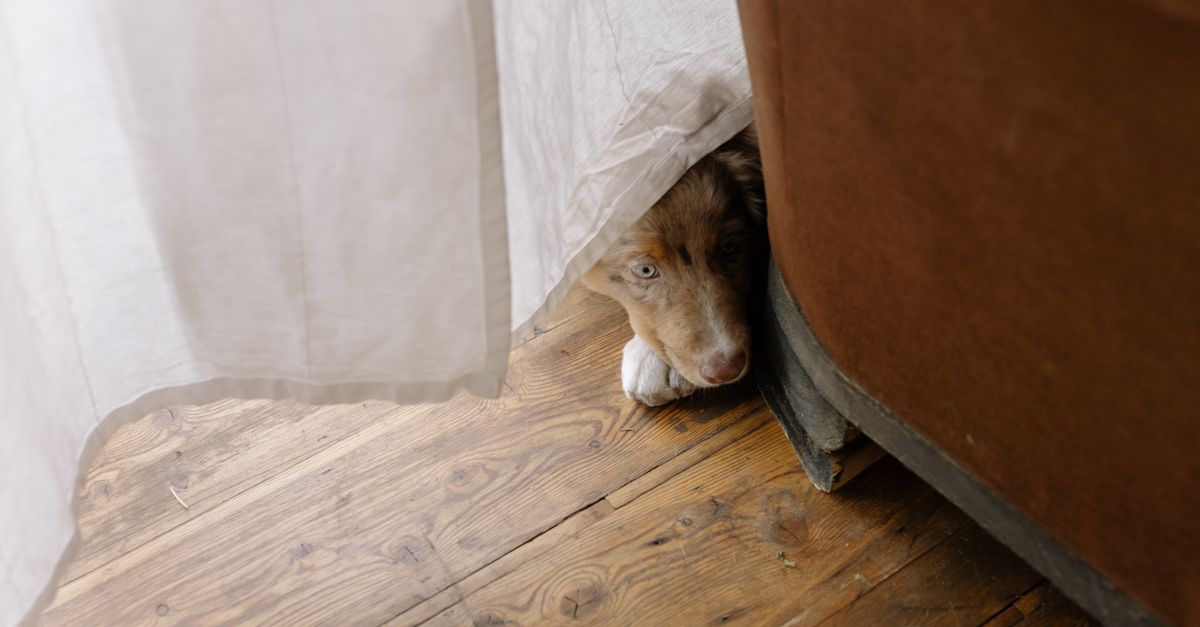
Before you start working on reactivity, learn to read the early signs of fear. A dog doesn't start with barking - it communicates discomfort long before that.
| Signal | What it means |
|---|---|
| Stiff body, tense muscles | Dog is on alert, braced |
| Tail low or tucked under | Discomfort or fear |
| Ears flat against the head | Anxiety |
| Visible whites of the eyes ("whale eye") | Strong stress or fear |
| Head or gaze turned away | Calming signal, a request for space |
| Freezing, going still | Assessing the situation, tension may spike |
| Barking, growling, lunging | Overt reaction - but the warnings came earlier |
Learning to read these signals gives you time to act before your dog crosses into a full fear response.
The stress threshold - the key to understanding reactivity
Every dog has a stress threshold - the distance from, or intensity of, a trigger at which it can stay calm. Below the threshold: the dog notices but can cope. Above the threshold: it goes into fight-or-flight and stops being able to learn.
All work with a reactive dog starts with respecting that threshold. If your dog reacts to another dog at 10 metres, start working at 50 metres. Yes, that might feel like a lot. It is entirely fine.
Desensitisation and counter-conditioning - step by step
This is the science-based standard approach to fear reactivity, using two interlocking elements:
Desensitisation - gradual acclimatisation to the trigger:
- Find the distance at which your dog can see another dog but stays calm (this is its threshold).
- Practice at that distance - don't move closer.
- Only when the dog is consistently calm at that distance, very gradually reduce it.
Counter-conditioning - changing the association:
- The moment your dog notices another dog (while still below threshold), give it a high-value treat.
- Goal: the dog starts associating "I see another dog" with something good.
- Over time your dog may begin looking to you with anticipation when it spots another dog - that's a positive sign.
Both techniques are applied simultaneously. Important note: this work requires patience and is harder to execute alone than to describe. If you're not sure where to start - consult a behaviourist.
What not to do
- Don't force encounters. "Let them sort it out" doesn't work when the dog is already over its threshold. It deepens fear.
- Don't pull the dog toward another dog. A taut lead signals threat - it can intensify the reaction.
- Don't punish barking or growling. It is fear communication, not disobedience.
- Don't wait for the problem to fix itself. Reactivity without work rarely decreases - it often grows.
When to see a behaviourist
If your dog reacts to other dogs at long range, if your own attempts aren't making progress, or if you feel uncertain about doing the work safely - consulting a certified behaviourist is the most effective step.
A behaviourist will assess your specific dog (not a general description), identify its threshold, design a working plan, and help you implement it safely. It's also worth a vet visit beforehand - pain can worsen reactivity, and it's easy to miss.
Walking a reactive dog - practical tips
Manage the route, not just the dog. Choose less-crowded places and paths where you have room to manoeuvre and the chance to spot another dog from a long way off. Avoid narrow paths and busy parks at peak hours.
The map in DOGOUT shows spots tagged by other owners - you can look for spacious, quiet areas and check who's walking nearby. Fewer surprises means less stress - for the dog and for you.
Frequently asked questions
- How do I know if my dog is scared of other dogs?
- Signs of fear include: stiff body, tail low or tucked, ears flat against the head, looking away or wide eyes (visible whites). Barking, growling, and lunging on the lead are often the result of fear rather than aggression - which is why catching the earlier signals matters.
- Should I force my dog to meet other dogs to help it get used to them?
- No. Forced encounters when a dog is already showing fear usually deepen the fear rather than reduce it. Contact with other dogs should be voluntary and on your dog's terms - at least at the start of the work.
- What is desensitisation and counter-conditioning?
- Desensitisation is gradually accustoming the dog to a stimulus (another dog) from a safe distance, staying below the threshold where a fear response kicks in. Counter-conditioning replaces the negative association with a positive one - for example, the sight of another dog predicts a favourite treat. Both techniques are used together and are the standard approach for reactivity.
- How long does working with a reactive dog take?
- It varies - from a few weeks to many months, depending on the dog's history, the intensity of the fear, and how consistently the work is done. There is no guaranteed timeline or outcome. The good news is that most dogs make real progress with consistent, appropriate work.
- When should I definitely see a behaviourist?
- When your dog reacts strongly at a great distance, when your own attempts aren't working, or when you're unsure how to do the work safely. A behaviourist isn't a last resort - it's often the most effective starting point.