Nosework for Dogs - How to Start Scent Training at Home
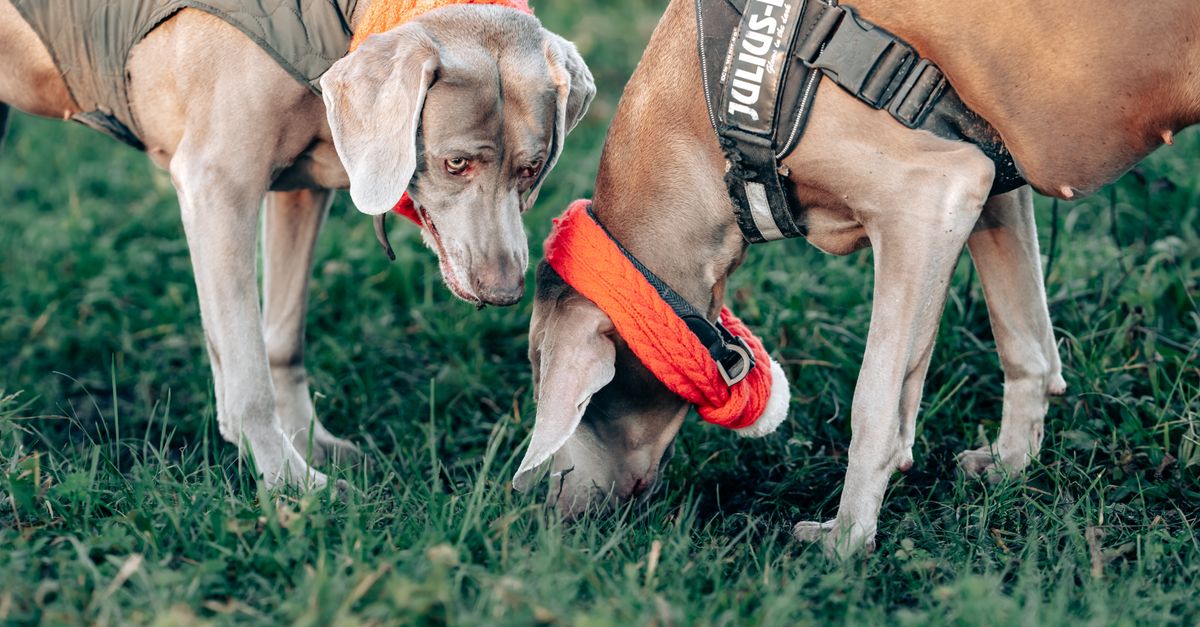
Nosework is a scent sport where a dog searches for a hidden odour on cue. You start by hiding treats in cardboard boxes and gradually expand the search area and difficulty. Even 15-20 minutes of nosework can tire a dog out more than an hour-long walk, because actively using the nose is intense mental work. Any dog - regardless of age, breed, or fitness level - can do nosework.
Your dog's nose is a superpower - and most owners never tap into it. Nosework changes that completely, turning a handful of cardboard boxes into one of the most effective training sessions your dog can get.
Why nosework works
Dogs have between 150 and 300 million olfactory receptors in their noses - compared to around 5-6 million in humans. The part of the brain devoted to processing scent is proportionally 40 times larger in dogs than in people. Active scent-searching is intense mental work, and research published in the Applied Animal Behavior Science journal confirms that nosework increases dogs' optimism and overall wellbeing, improves their executive function, and makes them more persistent when facing challenging tasks.
In practical terms: a dog tired out by nosework is a calm, content dog - without two hours of ball-chasing.
Who can do nosework?
Almost any dog. That is one of the sport's biggest advantages:
- Puppies - from a few months old, with ultra-short sessions of 3-5 minutes.
- Senior dogs - nosework puts no strain on joints, making it ideal for older dogs with orthopedic issues.
- Reactive dogs - each dog works alone, so there is zero stress from other dogs being present.
- Dogs recovering from injury or carrying extra weight - minimal physical demands, maximum mental engagement.
- Dogs that find standard obedience drills boring - nosework engages instinct, not just compliance.
Nosework is a complement to better, more varied walks - not a replacement for physical activity. Both matter.
How to start nosework at home - step by step
Step 1. The box game - building the association
Gather 5-8 shoeboxes or similar cardboard boxes and place them on the floor in a random arrangement. Put a treat in one of them - at this early stage, leave it visible or easy to find. Release your dog and let it explore. The moment the nose goes into the box with the treat, mark it with a cheerful "yes!" and add another treat as a bonus.
The goal at this stage: your dog understands that searching equals reward.
Step 2. Hidden treats - raising the difficulty
Once your dog confidently and enthusiastically hunts through boxes, start hiding the treat more creatively: under a cloth inside the box, in a corner, or spread across several boxes at once. Have your dog wait outside the room while you set up.
Key rule: do not guide the dog to the right box with gestures or eye contact. The handler's job here is patience and silence. The dog is the expert.
Step 3. Expand the search area
Move from boxes to a whole room: hide treats under furniture, behind cushions, on low shelves. Then move to other rooms, the hallway, the garden. Each new space presents a fresh olfactory challenge for your dog.
Step 4. Introduce a target odour (optional)
If you are interested in competitive nosework, the next step is teaching your dog to indicate a specific essential oil - typically anise or birch. Working with a target odour is best done under the guidance of a qualified instructor, as handler errors at this stage are hard to undo later. Look for local nosework clubs or weekend workshops if you want to go further.
Nosework difficulty levels at a glance
| Level | Search area | Hidden scent | Session length |
|---|---|---|---|
| Beginner | A few boxes, one room | Treat | 5-10 min |
| Intermediate | Whole home, garden | Treat or scented cloth | 10-20 min |
| Advanced | Outdoor spaces, vehicles | Essential oil (e.g. anise) | 15-30 min |
| Competition | Containers, interiors, exteriors | Certified target odours | Per rulebook |
The rules that make or break nosework
Never help the dog. Pointing at the right box - even with a subtle glance - teaches your dog to watch you rather than trust its own nose. In nosework, the dog leads. Your job is to observe quietly and reward when the dog commits to an indication.
End before the dog loses interest. A few successful finds make a perfect session. A mentally fatigued dog makes mistakes and loses drive - do not push for one more search when the energy is already dropping.
Reward at source. Always deliver the treat exactly where the dog indicated - not in your hand, not two steps away. This sharpens the precision of the indication.
Consistency beats marathon sessions. Three short sessions a week beats one long one at the weekend, every time.
How nosework fits with other training
Nosework pairs well with other methods. If you already use clicker training, a click is a perfect marker for the exact moment your dog commits to the source - giving the dog precise feedback. If you are working on recall, nosework builds focus and the ability to work despite distractions in the environment.
Does nosework replace walks?
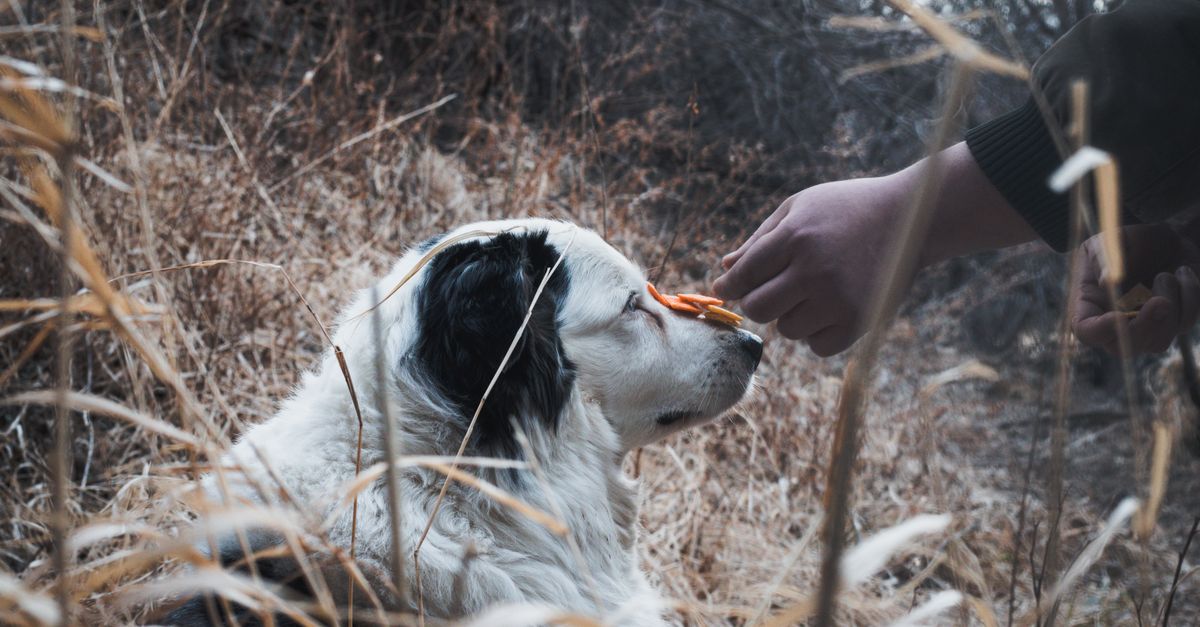
No. Physical and mental activity meet different needs - both matter. Nosework is the ideal walk add-on: you can practise indoors on a rainy day, before or after going out, or during the walk itself by hiding treats in leaves or grass. This kind of natural free-sniff time - sometimes called a sniff safari - is one of the simplest forms of enrichment you can offer your dog starting today.
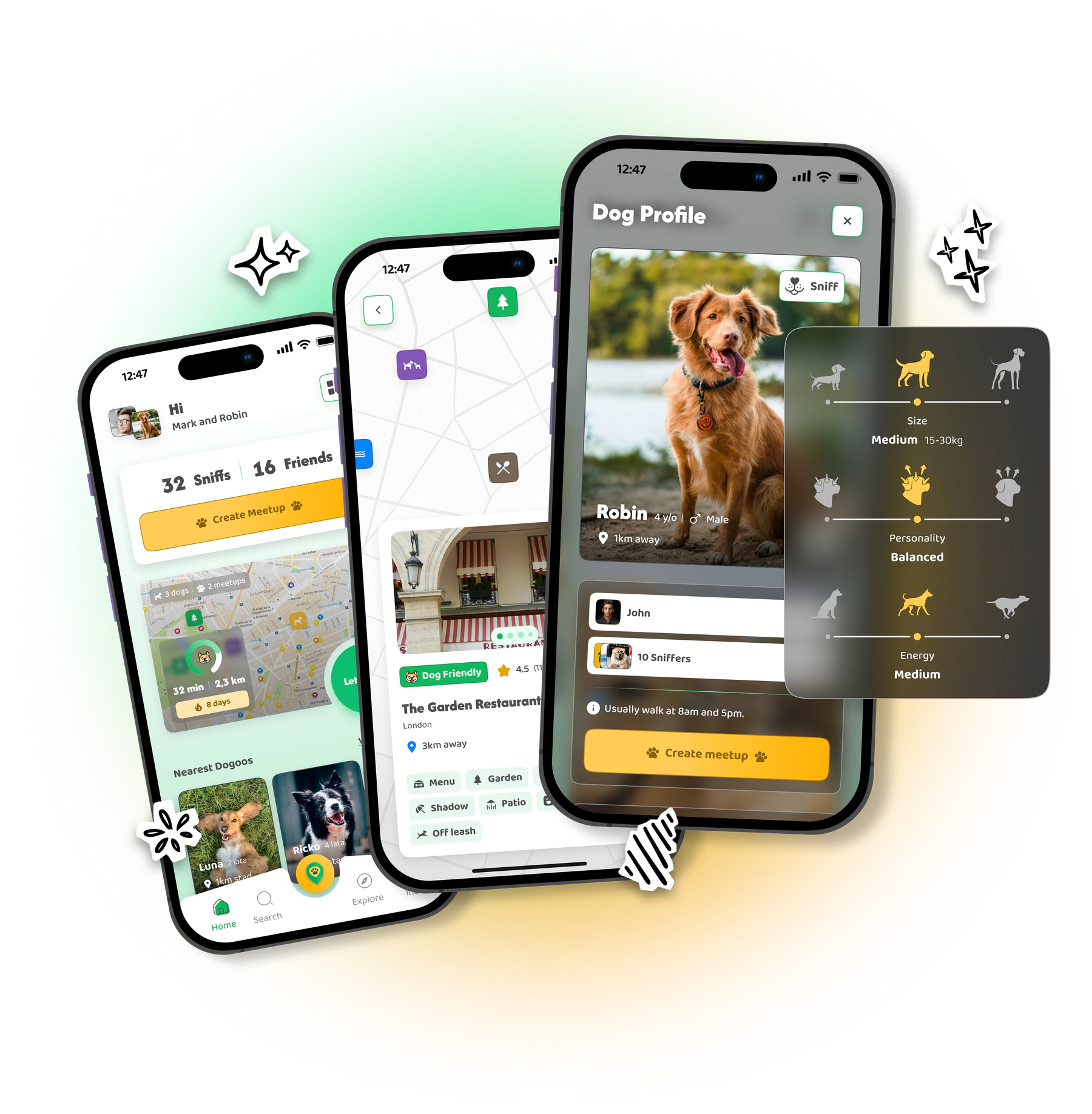
The DOGOUT map shows you parks and off-lead areas nearby where you can take nosework outside - and see who else is out walking with their dog right now. Get out there and let your dog lead with its nose.
Frequently asked questions
- What is nosework and where does it come from?
- Nosework is a scent sport inspired by the work of detection dogs - police dogs and customs dogs that locate substances by smell. In competition, dogs learn to indicate a specific target odour (such as anise, clove, or birch) hidden in a search area. For recreational purposes, hiding treats and letting your dog find them is enough to get started.
- What dogs can do nosework?
- Any dog can do nosework. It works especially well for puppies, senior dogs, dogs with mobility limitations, and reactive dogs - because each dog works alone, with no contact with other dogs. It is one of the few dog sports that excludes almost nobody.
- How quickly does a dog learn nosework?
- Most dogs get the hang of treat-hunting games within one or two sessions. Learning to indicate a specific target odour for competition takes weeks of consistent practice. How fast progress happens depends on session frequency and the handler's experience.
- How long should a nosework session be?
- Beginners should start with 5-10 minutes. Dogs tire mentally very quickly in nosework, so short and frequent sessions outperform one long one. More experienced dogs can work for 15-30 minutes, but quality always matters more than duration.
- Do I need a class or a trainer to start nosework?
- Not for recreational nosework at home. If you want to compete, or your dog has specific behavioural needs, a workshop with an experienced nosework instructor will speed up your progress and help you avoid the most common handler mistakes.
- What scents are used in competitive nosework?
- Competition nosework commonly uses essential oils: anise, clove, birch, and cypress. In AKC Scent Work, novice-level searches use birch only, with additional odours added at each progressive level (Advanced: anise; Excellent: clove; Master: cypress). For home training, any novel scent your dog learns to search for will work fine.