Reverse Sneezing in Dogs - What It Is and How to Help
Reverse sneezing in dogs is a sudden, honking gasp of air through the nose that looks dramatic but is usually harmless - it's irritation of the throat or soft palate, not a real illness. An episode typically lasts a few seconds to under a minute and stops on its own. See a vet if episodes are very frequent, come with bloody or thick nasal discharge, your dog struggles to breathe outside of episodes too, or you're not sure it's actually reverse sneezing rather than a true cough.
Your dog suddenly freezes, stretches its neck out, and starts making a sound like it's choking or snorting frantically through its nose. It looks alarming, and most owners seeing it for the first time reach for the phone to call the vet in a panic. Reverse sneezing in dogs sounds scary, but in the vast majority of cases it's a short, harmless episode - still, it's worth knowing how to recognize it and when it actually deserves a closer look.
What is reverse sneezing in dogs?
"Reverse sneezing" is a bit of a misleading name - it's not sneezing at all, but a reflex that looks like rapid, repeated gasping through the nose. It happens when the soft palate and throat become briefly irritated or spasm, and the dog's body responds with a series of forceful inhales trying to clear the throat. Unlike a normal cough, where air is forcefully pushed out of the lungs, here air is pulled in - hence the name.
A typical episode looks like this: the dog stops in place, extends its head and neck forward, sometimes stands with its elbows spread wide, and makes loud, honking noises that can sound like a goose. It usually lasts anywhere from a few seconds to about a minute, after which the dog goes right back to normal, as if nothing happened.
What triggers reverse sneezing?
The most common triggers are minor irritations of the upper airway:
- a sudden tug on the leash or pressure from a collar on the neck,
- excitement or a sudden change in activity (like jumping up quickly after play),
- inhaling dust, smoke, or strong perfume or spray scents,
- eating or drinking too fast,
- seasonal allergens - pollen, dust mites,
- a sudden change in air temperature (moving from warm to cold air).
If you suspect environmental allergens are behind it, it's worth reading more about dog allergies - some dogs with reverse sneezing have episodes more often during pollen season.
Reverse sneezing or a real cough - how to tell them apart
This is the question owners ask most often, and rightly so, because the distinction actually matters for what you do next.
| Feature | Reverse sneezing | Regular cough |
|---|---|---|
| Direction of airflow | Forceful inhale through the nose | Air pushed out of the lungs |
| Sound | Honking, goose-like gasping | Dry and harsh, or wet |
| Dog's posture | Stretched neck, elbows out | No characteristic posture |
| Duration | A few seconds to under a minute | Variable, can repeat for hours |
| After the episode | Immediate return to normal | May stay tired, keep coughing |
| Typical cause | Throat/soft palate irritation | Infection, kennel cough, heart disease, foreign object |
If you're not sure what you're seeing, the best thing you can do is record the episode on your phone and show the footage to your vet at the next opportunity - a video says more than the best verbal description ever could.
How to help your dog during an episode
The most important thing during an episode is staying calm - your own stress rubs off on the dog and can make the episode last longer. A few things that often help shorten it:
- Gently cover the dog's nostrils for a second or two - this makes the dog swallow through its mouth, which often breaks the spasm.
- Gently massage the dog's throat while speaking to it in a calm voice.
- Blow lightly on the dog's face - this sometimes helps interrupt the cycle of forceful inhales.
- Don't hold the dog down and don't panic in front of it - stress only prolongs the episode.
After the episode, the dog usually goes right back to normal activity - eating, drinking, and playing as if nothing happened. That's a good sign the episode was a typical, harmless reverse sneeze.
When reverse sneezing should worry you
A single, short episode on its own is rarely a reason for a same-day vet visit. But the following signs are a clear cue to get it checked:
- episodes happen several times a day or every day,
- an episode lasts unusually long, or the dog seems like it genuinely can't catch its breath,
- bloody or thick nasal discharge appears,
- the dog has trouble breathing even outside of episodes, turns bluish, or faints,
- it comes with loss of appetite, lethargy, or fever,
- the dog is a puppy or an older dog with a chronic condition (like heart disease).
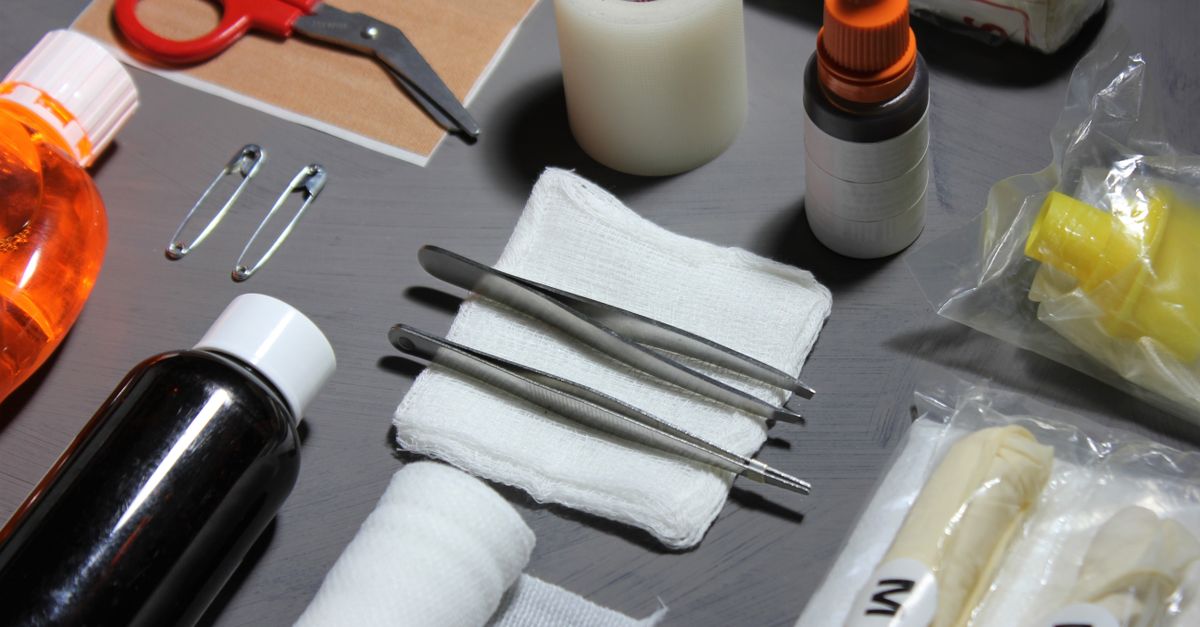
In these situations, don't wait it out - this is no longer something to observe at home, but a case for a vet to rule out other causes such as tracheal collapse, a foreign object in the airway, infection, or a heart problem. It's also worth keeping basic supplies at home for sudden health situations - check what belongs in a dog first-aid kit, and brush up on dog first-aid basics so you can act calmly rather than in a panic.
Keep in mind: this article is a starting point for a conversation with your vet, not a replacement for one. If you have any doubt about your dog's health, always consult a veterinarian - especially if the episodes keep recurring or get worse.
Once the episode passes and your dog is back to itself, a simple walk outside is often the best reset for both of you. Check the DOGOUT map for spots nearby where other owners walk their dogs, and set up a walk together - movement and company are good for your dog, and for you too.
Frequently asked questions
- What does reverse sneezing look like in dogs?
- The dog suddenly stops, stretches its neck out, sometimes stands with elbows spread wide, and makes loud, honking gasps through the nose - it can sound like the dog is choking or snorting rapidly. Unlike a normal cough, the chest isn't pushing air out; the dog is pulling air in hard through the nostrils.
- What should I do when my dog has a reverse sneezing episode?
- Stay calm - most episodes pass on their own within a few seconds to under a minute. You can gently cover the dog's nostrils for a second or two to make it swallow through the mouth, or softly stroke its throat. Avoid restraining the dog forcefully - stress tends to prolong the episode.
- Is reverse sneezing dangerous for dogs?
- In the large majority of cases, no - it's a harmless reflex from an irritated throat or soft palate, especially common in small breeds and flat-faced dogs. It becomes a concern only when episodes are very frequent, unusually long, come with nasal discharge or blood, or the dog has breathing trouble even between episodes.
- How is reverse sneezing different from a regular cough in dogs?
- Reverse sneezing is a rapid, forceful inhale through the nose with a honking sound, usually without bringing anything up. A regular cough pushes air out of the lungs, often dry and harsh (as with kennel cough) or wet, and can bring up mucus. If you're unsure, record the episode on your phone and show it to your vet.
- Which dog breeds are more prone to reverse sneezing?
- It's most common in small breeds (Yorkies, dachshunds, chihuahuas, pugs) and in brachycephalic (flat-faced) breeds such as pugs, bulldogs, and Boston terriers, where the shape of the soft palate and throat makes irritation more likely. It can happen in larger dogs too, just less often.
- When does reverse sneezing in dogs need a vet visit?
- See a vet if episodes happen several times a day, last unusually long, come with bloody or thick nasal discharge, your dog loses its appetite or seems lethargic, or breathing problems persist outside the episode itself. These signs suggest something more than simple irritation may be going on.