Yorkshire Terrier Temperament - What Is a Yorkie Really Like?

The Yorkshire Terrier is a confident, energetic, and deeply loyal dog with a true terrier spirit. Despite weighing up to 3.2 kg, Yorkies are courageous, intelligent, and can be quite stubborn. They bond strongly with their owner, tend to bark, and need around 30-45 minutes of activity per day. A well-raised Yorkie is a joyful and devoted companion - without consistent handling, however, it quickly becomes a tiny tyrant.
Small dog, enormous personality - that is the Yorkshire Terrier in a single sentence. This miniature terrier has been proving for over 150 years that courage and character have nothing to do with size. Before you fall for those silky gold-and-steel looks, it is worth understanding what you are actually signing up for.
A brief history of the breed
The Yorkshire Terrier comes from the English county of Yorkshire, where in the mid-19th century workers from Ireland and Scotland brought various terrier types with them. These were crossed with local dogs, including the Waterside Terrier. Early Yorkies were working dogs - catching rats in coal mines and textile mills. They rapidly caught the eye of Victorian high society and became fashionable companions. The breed received its official name in 1874.
Today the Yorkie sits in FCI Group 3 (Terriers), Section 4 - Toy Terriers. The standard weight is up to 3.2 kg. What the standard cannot capture is the outsized attitude packed into that tiny frame.
Key personality traits
The Yorkie is a dog of contrasts. Affectionate and gentle with their person, yet bold enough to face down a dog three times their size without a second thought.
| Trait | How it shows up |
|---|---|
| Courage | No awareness of their own small size - will not back down from a confrontation |
| Intelligence | Fast learner, highly adaptable - ranked 17th by Stanley Coren out of 90 breeds |
| Loyalty | Deep bond with their owner, often a "one-person dog" |
| Energy | Active and lively throughout the day despite their compact build |
| Stubbornness | Strong terrier will - knows what it wants and will campaign for it |
| Alertness | Excellent watchdog - reacts to every sound and movement |
That intelligence is both the Yorkie's biggest asset and its biggest challenge. Ranked 17th in Stanley Coren's intelligence study, Yorkies pick up new commands quickly - and find the loopholes in your rules just as fast.
Small dog syndrome - myth or reality?
Yorkies are often associated with "small dog syndrome" - excessive barking, bossiness, and aggression towards other dogs. This pattern is real, but it is overwhelmingly a product of how the dog is raised, not of its genetics. Owners of small dogs often let slide behaviours they would immediately correct in a large dog. Yorkies are fast to learn that they can get away with more.
A well-raised Yorkie is not a yappy, snappy stereotype. But without consistent rules from puppyhood, that stereotype is surprisingly easy to create. The breed is not at fault - the handling is.
Yorkies with children and other animals
With children, a Yorkie can form a wonderful bond - provided the dog has had proper socialization and the children have learned to respect the dog's signals. Because of their delicate build, Yorkies are not ideal for families with very young toddlers - an accidental drop or rough play can cause injury.
A few principles that matter:
- Supervise interactions with children under 6-7 years old - not because the dog is dangerous, but because it is fragile.
- Give the Yorkie its own retreat - a bed or crate where it can rest undisturbed.
- Teach children that the dog is not a toy - especially during meals and sleep.
With other dogs, Yorkies do well when socialized from puppyhood. The problem arises when a large, boisterous dog frightens a young Yorkie at the first meeting - that fright can translate into reactivity for years. Calm, gradual introductions as part of early socialization make all the difference.
Barking - managing a natural instinct
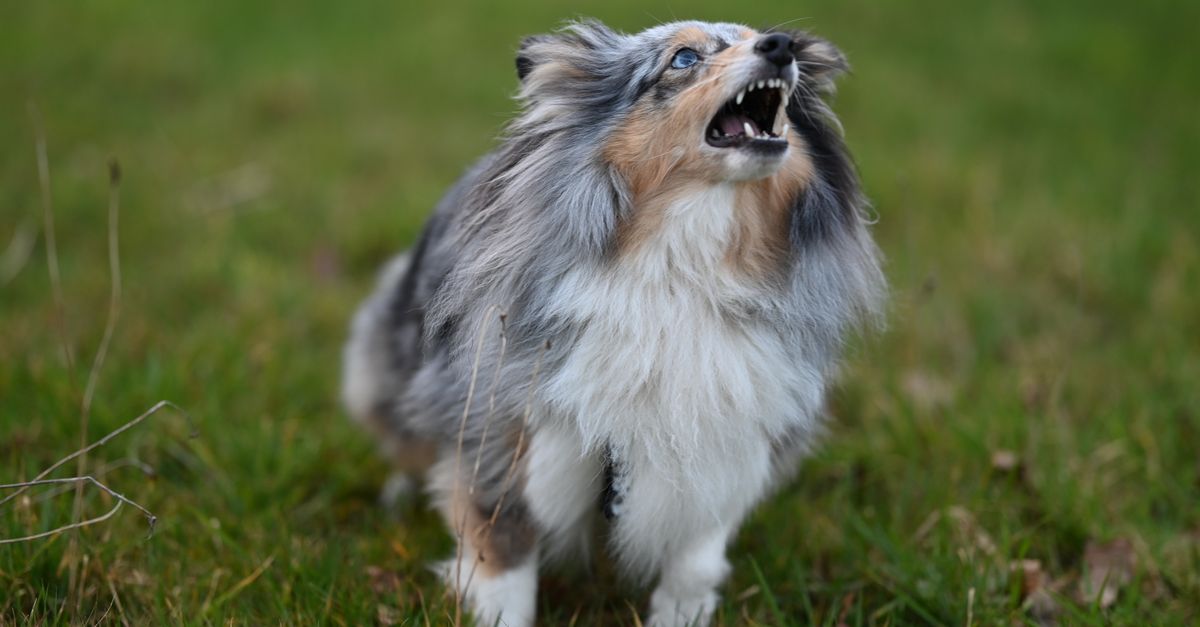
Barking is something every Yorkie owner has to think about. Yorkies are alert by nature and react to sounds, movement at the window, and the doorbell. This trait served a purpose in the mills where they worked - it is less welcome in a flat building.
The good news: excessive barking is very manageable. The key tools are:
- Early socialization - a dog that knows the world is less scared of it and reacts less.
- Teaching a "quiet" cue - trained consistently from a young age.
- Adequate stimulation - a tired, fulfilled dog barks less.
- Never reward barking with attention - picking the dog up when it barks reinforces the behaviour.
If barking is intense and linked to fear or anxiety, a consultation with a certified behaviourist is worthwhile. For training strategies, the article on stopping dog barking is a good next step.
What a Yorkie needs every day
A Yorkie can be a near-perfect apartment dog - compact, low-space, manageable on short walks. But that does not mean you can get away with the bare minimum.
A typical adult Yorkie's day:
- 2-3 walks per day, totalling around 30-45 minutes of actual movement
- Indoor play - Yorkies love fetch and scent games
- Short training sessions (5-10 minutes) - keeps the mind sharp and strengthens your bond
- Human company - Yorkies are not built for long hours alone
A Yorkie wants to be with its person. It is not a dog designed for solitude. If you are out of the house for most of the day, arrange company - a second dog, a dog-sitter, or regular dog-walking.
Is a Yorkie right for you?
The Yorkshire Terrier is best matched with an owner who:
- Can commit to short but regular daily walks and play.
- Is able to be consistent - no special concessions just because the dog is small.
- Does not mind close physical proximity - a Yorkie will want to be on you or next to you at all times.
- Can tolerate some level of barking or is prepared to work on it systematically from day one.
If you want an independent dog that amuses itself for hours, the Yorkie is probably not the right match. If you want a loyal, switched-on, full-of-life companion that makes every walk feel like an adventure - it is hard to find a better fit.
Open the DOGOUT map to find dog parks, off-lead areas, and dog-friendly spots tagged by owners near you - perfect spots for your Yorkie to run, explore, and meet the world on its own bold terms.
Frequently asked questions
- Are Yorkshire Terriers difficult to train?
- Yorkies are intelligent and quick learners, but they have classic terrier stubbornness. Short positive sessions of 5-10 minutes, repeated a few times a day, work far better than long drills. Consistency from puppyhood is key - a Yorkie will quickly figure out any gaps in the rules and exploit them.
- Do Yorkshire Terriers bark a lot?
- Yes - Yorkies have a natural tendency to bark, rooted in their origins as alert, hunting terriers. Excessive barking can be managed through early socialization and training a 'quiet' cue. A dog that lacks mental and physical stimulation will bark significantly more than one that is well exercised and engaged.
- Are Yorkies good with children?
- Yorkies can live very happily with children, but are not recommended for very young or boisterous toddlers. Their small, delicate frame means accidental drops or rough handling can injure them. Older children who have learned to respect a dog's space and signals generally get on very well with Yorkies.
- How much exercise does a Yorkshire Terrier need?
- Despite their small size, Yorkies are active dogs. Two short walks a day - totalling around 30-45 minutes - plus some indoor play is enough for an adult Yorkie. A dog that doesn't get enough physical and mental stimulation tends to become anxious and bark more.
- Do Yorkies get along with other dogs?
- A well-socialized Yorkie can live happily alongside other dogs. Problems arise when a Yorkie has had little exposure to other dogs during puppyhood - it may become reactive, especially towards larger dogs it perceives as a threat. Early, calm, positive socialization resolves most of these issues.
- Can Yorkshire Terriers live in an apartment?
- Absolutely. The Yorkie is one of the breeds best suited to apartment living. They don't need much space, and their exercise needs can be met with short daily walks. The one challenge is their barking tendency - addressing this with training from an early age makes apartment life comfortable for everyone.