Amstaff Temperament - What the American Staffordshire Terrier Is Really Like
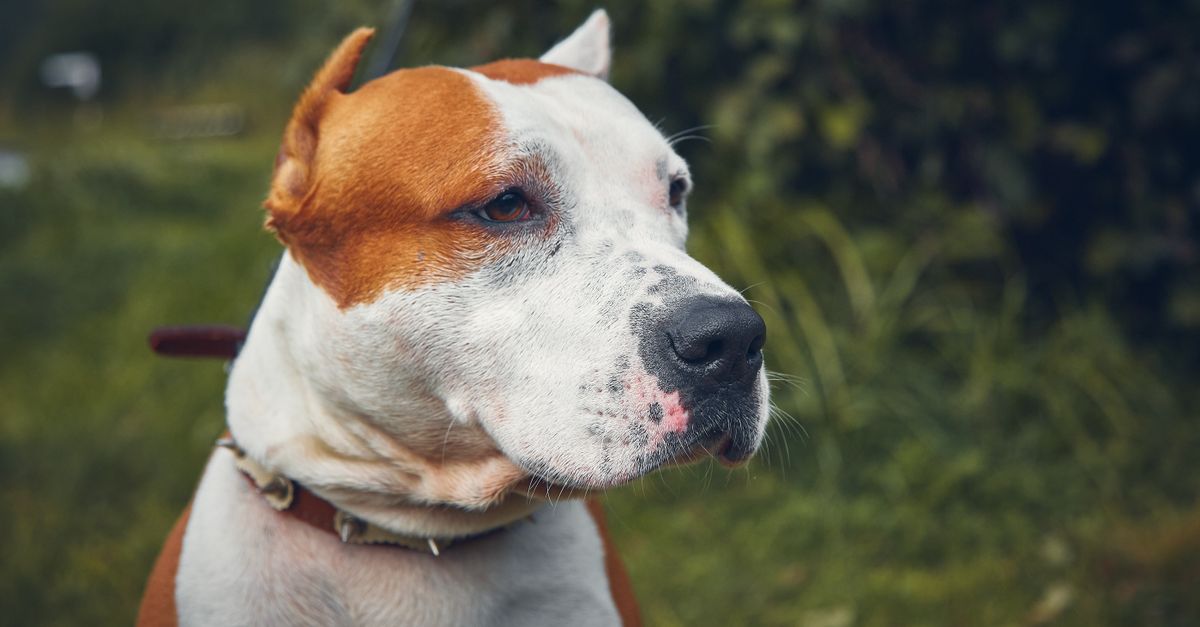
Amstaff temperament is built around courage, deep loyalty to family, and a strong drive to stay close to their people - a well-raised American Staffordshire Terrier is affectionate, confident, and does great with kids. The breed does need early socialization with other dogs, consistent handling from puppyhood, and plenty of exercise - without that, it can become stubborn and overly excitable. This isn't a tabloid-headline dog, it's a strong, smart companion that needs a smart owner.
The Amstaff, short for American Staffordshire Terrier, carries a reputation it hasn't earned. Amstaff temperament isn't a life sentence - it's the result of genetics, socialization, and how much work you put into the first months of a puppy's life. The truth is simpler than the headlines: this is a family dog, affectionate and loyal, that needs exercise, consistency, and company - not a muzzle slapped over its entire breed character.
Where did the Amstaff's bad reputation come from?
The Amstaff traces back to England and the US, where bulldogs were crossed with terriers for farm work and, unfortunately, for dog fighting - banned since the mid-1800s. That chapter of the breed's history still fuels the "dangerous dog" stereotype, even though the modern Amstaff has been bred for generations toward a stable temperament and a close bond with people. Media coverage tends to lump every incident under "pit-bull-type dog" without checking the actual breed, bloodline, or the individual animal's upbringing. The result: the Amstaff ends up on "dangerous breed" lists in some countries, even though research and behaviorist experience both point to upbringing - not breed genotype - as the main driver of aggression.
What is the Amstaff's temperament really like?
The Amstaff has a strong personality, but that doesn't mean a difficult one - it means a dog that knows what it wants and needs an owner who does too. Key traits:
- Courage and confidence - Amstaffs rarely back down, which means a poorly raised one may try to "test" house rules.
- Strong bond with the family - this is a dog that wants to be close, often literally - Amstaffs love leaning against their owner's legs.
- Gentleness with kids - with proper socialization, the Amstaff is patient and protective toward the youngest family members.
- High energy - this is an athletic dog, built for movement, not for lying on the couch all day.
- Intelligence and willingness to cooperate - it learns fast but gets bored with repetition and responds poorly to force-based training.
- Reactivity toward other dogs - the one area where the breed genuinely needs extra attention, especially with dogs of the same sex.
Amstaffs and other dogs - why socialization is non-negotiable
If there's one area where this breed genuinely needs more work than an average Labrador, this is it. Amstaffs carry a genetic history of close-contact work with other dogs of the same breed in a context that's banned and condemned today - and some bloodlines retained a tendency toward heightened arousal around unfamiliar dogs. That doesn't mean every Amstaff will be reactive. It means socializing a puppy with other dogs in controlled settings, ideally between weeks 8 and 16 of life, is an absolute priority, not an option. A well-socialized adult Amstaff can calmly pass other dogs on a walk and join group outings without issue. You can read more about this process in our guide to dog socialization - the same principles apply to the Amstaff, just with a bigger dose of consistency.
Raising and training an Amstaff
The Amstaff responds best to positive training - rewards, clear rules, and short, engaging sessions. A few rules that actually work:
| Area | What to do |
|---|---|
| Puppy socialization | Controlled exposure to other dogs and people from the first weeks |
| Consistency | Same rules from day one - Amstaffs pick up on inconsistency fast |
| Training | Short sessions, rewards, no physical punishment or monotony |
| Exercise | At least 60-90 minutes of activity a day, including running or fetch |
| Mental stimulation | Scent games, obedience training, nosework |
| Family contact | Daily closeness - Amstaffs handle isolation and long solitude poorly |
The breed does well with a clear household structure paired with warmth - an Amstaff doesn't need dominance, it needs leadership. If you're still deciding whether this breed fits your lifestyle, compare it with other options in our guide on how to choose a dog breed - the Amstaff suits active owners ready for daily exercise and regular training, less so people looking for a couch dog.
Amstaff blue and other coat colors - does it affect temperament?
"Amstaff blue" is one of the most talked-about terms among breed fans - it describes a grayish-blue coat caused by a diluted black pigment. Amstaffs also come in black, red (brown), brindle, and fawn, often with white markings. Coat color has zero effect on temperament - it's purely a matter of color genetics, not personality. If someone claims a "blue" Amstaff is more aggressive or gentler than other colors, that's a myth with no basis in fact.
The Amstaff as a family dog - how much exercise and attention it needs
This is a large, muscular breed, so its physical needs are correspondingly high. An Amstaff that doesn't get enough exercise finds an outlet elsewhere - destroying items, excessive barking, or hyperactivity indoors. Two walks a day, including one longer session with running or fetch, plus regular obedience training, is a realistic minimum. In return you get a dog that's alert but non-confrontational, plays wonderfully with kids, and can be surprisingly gentle for its size.
Instead of another loop around the same block, check the DOGOUT map for spots near you where an Amstaff can really stretch its legs and meet other dog owners with a similar mindset about the breed - it's the easiest way to turn socialization and daily exercise from a chore into a shared part of life with your dog.
Bottom line - is the Amstaff right for you
The Amstaff suits an owner looking for a strong bond and an active lifestyle, ready to invest real time in socialization, especially around other dogs. In return, you get a loyal, affectionate, and courageous companion that's rarely indifferent toward its family. The breed's bad reputation comes from history and media shorthand, not from the real, statistical risk posed by a well-raised dog. Choosing an Amstaff should be based on facts about the breed, not newspaper headlines - and that starts with understanding its real temperament.
Frequently asked questions
- Is the Amstaff aggressive?
- Not by nature. The Amstaff was bred for close work with people, so aggression toward humans isn't a typical trait in a well-raised dog. The picture is different with other dogs - some Amstaffs, especially unsocialized ones, can be reactive toward unfamiliar dogs of the same sex. That comes down to bloodline, upbringing, and socialization, not an automatic breed trait.
- Is the Amstaff good with children?
- Yes, with proper upbringing the Amstaff is often one of the more family-oriented breeds - patient, loyal, and fond of close physical contact. As with any large, strong breed, interactions between young kids and the dog should be supervised, and the dog should be taught basic household manners.
- How much exercise does an Amstaff need per day?
- The Amstaff is an energetic, muscular breed that needs a minimum of 60-90 minutes of activity a day - walks, running, obedience training, or tug games. A dog that doesn't get enough physical and mental exercise is more likely to become destructive or overly hyper indoors.
- Is the Amstaff hard to train?
- The Amstaff is intelligent and eager to work with you, but can be stubborn if training relies only on force or repetition. Positive, reward-based training with short, engaging sessions gets the best results - the breed learns fast and clearly enjoys the process.
- What's the difference between an Amstaff and a Pit Bull?
- The American Staffordshire Terrier (Amstaff) is a recognized breed registered with FCI and AKC standards, while "Pit Bull" is a casual, informal term for a type of dog rather than one specific breed. Amstaffs and American Pit Bull Terriers share common roots, but differ in standard, build, and the fact that the Amstaff follows a clearly defined breed pedigree.
- What does "Amstaff blue" mean?
- "Amstaff blue" is a casual name for a coat color - a grayish-blue shade caused by a diluted black pigment (the dilute gene). It's purely a color variation, not a separate breed or personality type - blue Amstaffs have exactly the same temperament as Amstaffs in any other coat color.