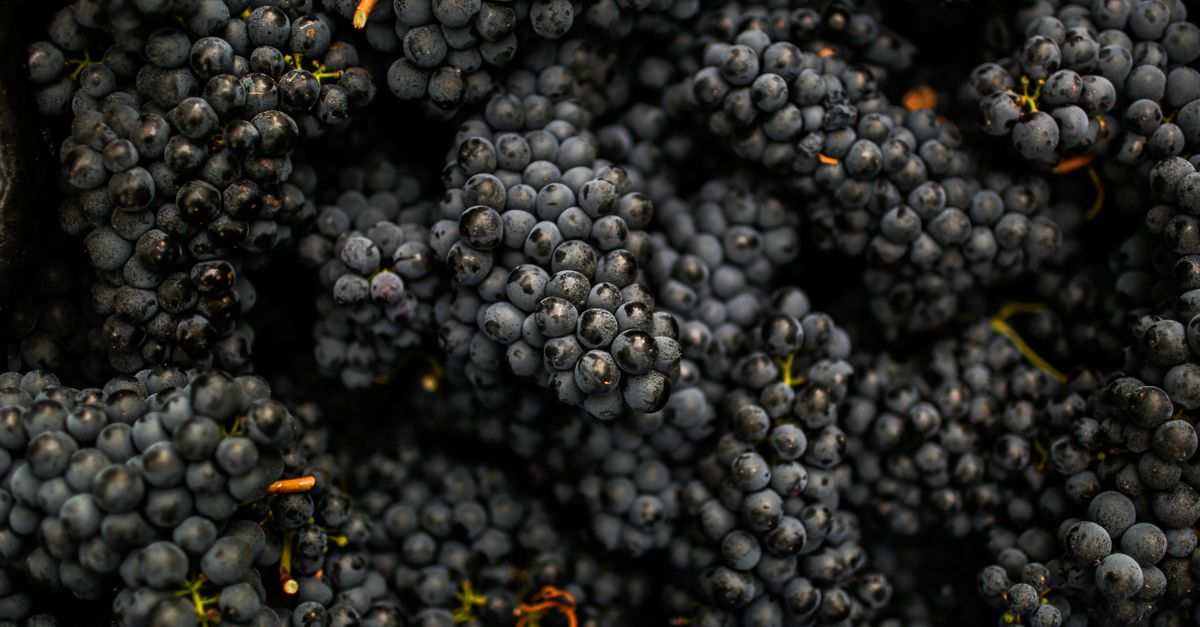
Can Dogs Eat Raisins? No - They Are One of the Most Dangerous Foods for Dogs

No, dogs cannot eat raisins. Raisins - along with grapes, sultanas, and Zante currants - are highly toxic to dogs and can cause acute kidney failure, which is fatal without treatment. There is no safe amount. If your dog has eaten raisins, contact a vet immediately.
Raisins look harmless. Tiny, sweet, always around the kitchen - it is easy to drop one on the floor without thinking. That moment of inattention can cost your dog its life.
Raisins are among the most dangerous foods a dog can eat. Like fresh grapes, sultanas, and Zante currants, they can trigger acute kidney failure - even in very small quantities. Here is everything you need to know: why they are so dangerous, what signs to watch for, and exactly what to do if your dog gets hold of some.
Why are raisins so dangerous for dogs?
For years, the cause of grape and raisin toxicity in dogs was a mystery. Research published in recent years - and confirmed by Cornell University College of Veterinary Medicine - points to tartaric acid and its salt, potassium bitartrate, as the most likely toxic agents. Dogs lack the kidney transporter (OAT-4) needed to clear tartaric acid from renal tubule cells, so the compound accumulates and destroys tissue.
Critically, the concentration of tartaric acid varies with grape variety, ripeness, and processing method. This is why no safe dose can be established - the same amount that causes no reaction in one dog may trigger severe kidney failure in another.
There is no safe amount - and this is not an overstatement
This is the single most important fact in this article. Cornell Veterinary Medicine and VCA Hospitals both state clearly: every ingestion of raisins or grapes by a dog must be treated as a potential emergency requiring veterinary attention.
For comparison, foods like apples, carrots, or strawberries have well-established safe serving guidelines. Raisins and grapes do not. One piece might cause nothing - and the next identical amount in the same dog might destroy its kidneys. Do not take that chance.
Symptoms of raisin poisoning - what to look for
| Phase | Time after ingestion | Signs |
|---|---|---|
| Early | 6-24 hours | Vomiting (often with raisin pieces), diarrhoea, lethargy, loss of appetite |
| Intermediate | 24-48 hours | Abdominal pain, excessive thirst, weakness |
| Critical | 48-72 hours | Reduced or absent urine output, limb swelling, tremors, ammonia-scented breath |
The key point: no symptoms in the early hours does not mean your dog is safe. Kidney damage can progress internally before any outward sign appears. This is exactly why you must not wait.
What to do if your dog ate raisins
Act immediately - do not wait for symptoms.
- Call your vet or emergency animal clinic straight away.
- Tell them how much your dog ate and when - this affects the decision on inducing vomiting.
- Do not give anything at home (do not attempt to induce vomiting without vet guidance).
- Bring the packaging if you have it.
Treatment typically involves inducing vomiting (if within 1-2 hours of ingestion), activated charcoal to bind remaining toxins, and at least 48 hours of intravenous fluid therapy with kidney monitoring. The prognosis is significantly better when treatment starts before kidney damage sets in.
Hidden raisins in everyday foods - a real hazard
This is where many owners get caught out. Raisins do not always announce themselves. Check these before sharing any bite with your dog:
- Baked goods - raisin bread, hot cross buns, fruit cake, Christmas cake, mince pies
- Sweets and confectionery - chocolate assortments, mixed dried fruit
- Granola and cereal bars
- Biscuits and cookies - oatmeal raisin cookies, festive biscuits
- Trail mix and dried fruit mixes
- Ready-made salad kits (some contain dried fruit)
A seemingly innocent piece of fruit bread shared from the table can be genuinely life-threatening. Always read the label.
Grapes and related fruits - the full danger list
The same toxicity applies to the whole group:
- Fresh grapes (all varieties, including seedless)
- Raisins (dried grapes)
- Sultanas (golden raisins)
- Zante currants (the tiny dried grapes common in baking - not to be confused with blackcurrants)
Note: Ribes-genus currants (blackcurrants, redcurrants, gooseberries) are different plants and are not confirmed to carry the same risk. However, they are still best avoided to be safe.
Read more about the grape risk in our article can dogs eat grapes. For a full list of dangerous foods, see foods toxic to dogs.
Safe sweet alternatives for your dog
If you are looking for a safe occasional sweet treat for your pack, these are all fine in moderate amounts:
- Apple slices (core and seeds removed)
- Banana pieces
- Blueberries
- Carrot sticks
- Watermelon chunks (seeds and rind removed)
For a full rundown of what is on and off the menu, check what dogs can and cannot eat.
This article is for informational purposes only. If you have any concerns about your dog's diet or health, always consult a veterinarian. If your dog has eaten raisins - do not delay, contact a vet now.
You watch what your dog eats - watch where they roam too. Open DogOut to find dog-friendly parks, off-leash areas, and walks near you. Get out there - fresh air and new smells are all the treat your dog needs.
Frequently asked questions
- How many raisins are toxic to a dog?
- There is no safe amount. Raisin toxicity is unpredictable - even a small number can cause acute kidney failure in some dogs while others show no reaction to the same quantity. Every ingestion of raisins or grapes should be treated as a veterinary emergency.
- What are the first signs of raisin poisoning in dogs?
- Early signs appear within 6-24 hours: vomiting (often containing pieces of raisin), diarrhoea, lethargy, and loss of appetite. Within 24-72 hours, signs of kidney damage may develop - reduced urine output, excessive thirst, and weakness.
- My dog ate one raisin - what do I do?
- Call your vet or an emergency animal clinic right away. Do not wait for symptoms to appear. Early treatment - inducing vomiting, activated charcoal, and IV fluid support - significantly improves the chances of a full recovery.
- Are raisins in baked goods just as dangerous?
- Yes. Raisins baked into bread, biscuits, granola bars, fruitcake, hot cross buns, or mixed into trail mix are just as toxic as raw raisins. Always check ingredient labels before sharing any human food with your dog.
- Are raisins more toxic than grapes?
- Yes. Raisins are even more dangerous than fresh grapes because drying concentrates the toxic compound (tartaric acid). The same weight of raisins delivers a much higher dose of the harmful substance than fresh grapes.
- Do all dogs react the same way to raisins?
- No - sensitivity is unpredictable and varies between individual dogs. Some dogs have eaten raisins with no obvious effects; others have developed severe kidney failure after a small amount. Because there is no way to predict how your dog will react, no amount is considered safe.