Cane Corso Temperament - The Real Character Behind the Breed
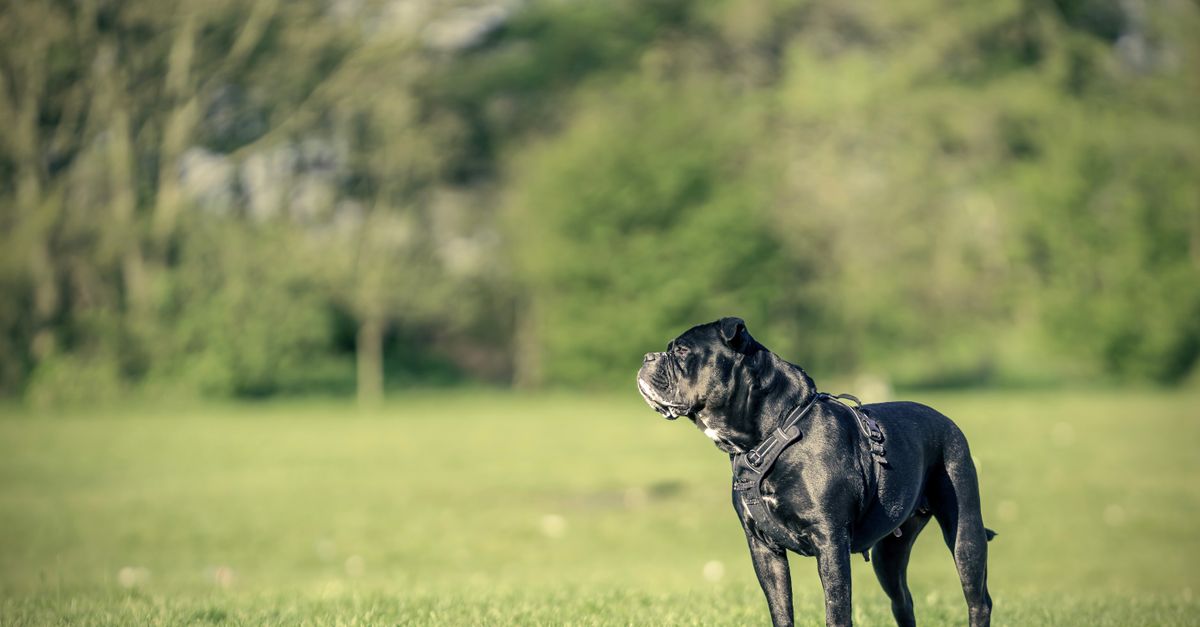
The Cane Corso is a calm, confident dog that bonds deeply with its family, but it needs an experienced handler. It isn't naturally aggressive - it's alert and protective by instinct, which makes early, consistent socialization essential. This isn't a breed for someone without time for daily training and exercise.
Cane Corso temperament is a topic that splits opinion - from "perfect guardian and family companion" to "too dangerous for a home with kids." The truth sits in between: this is a calm, loyal, sharp-minded dog that needs a handler who understands what it means to lead a large, powerful guardian breed.
Where the Cane Corso comes from - and why it matters
The Cane Corso originated in Italy, where for centuries it worked as a farm guardian - watching over property, helping manage livestock, and accompanying farmers through daily work. That history shows in its character today: an independent, observant dog, naturally wary of strangers, yet deeply attached to its family. This isn't a breed built for blind obedience - a Cane Corso likes to think for itself, which can challenge a first-time owner.
Is a Cane Corso naturally aggressive?
This is the question most people search for, and it deserves a straight answer. A Cane Corso is not naturally aggressive toward people, but it does carry a clear protective and territorial instinct. The distinction matters: an alert dog reacts to what it perceives as a threat, while an aggressive dog attacks without real cause. A well-socialized Cane Corso is composed, confident, and rarely barks without reason - but one that's neglected, without training or exposure to people, can become overly suspicious and difficult to manage on a leash or around guests.
Responsibility for how a dog's character develops rests largely with the owner. The breed provides the raw material, but socialization, training, and everyday experience shape the adult dog.
Cane Corso temperament at a glance
| Trait | How it shows up |
|---|---|
| Loyalty | Strong bond with family, more reserved with strangers |
| Alertness | Natural guarding instinct, reacts to unusual situations |
| Intelligence | Learns quickly but needs consistency, can be stubborn |
| Calm indoors | With enough exercise, surprisingly settled at home |
| Confidence | Rarely panics, stays composed in new situations |
| Need for leadership | Responds poorly to chaotic, inconsistent rules |
Is a Cane Corso right for a first-time owner?
Honestly - this isn't a first dog for someone who's never owned one before. A Cane Corso needs someone who can set clear boundaries from day one, keep training consistent throughout the dog's life, and commit to daily activity. This isn't a dog you leave shut in an apartment all day with no exercise - that setup leads straight to behavioural problems, regardless of how calm the individual dog's genetics are.
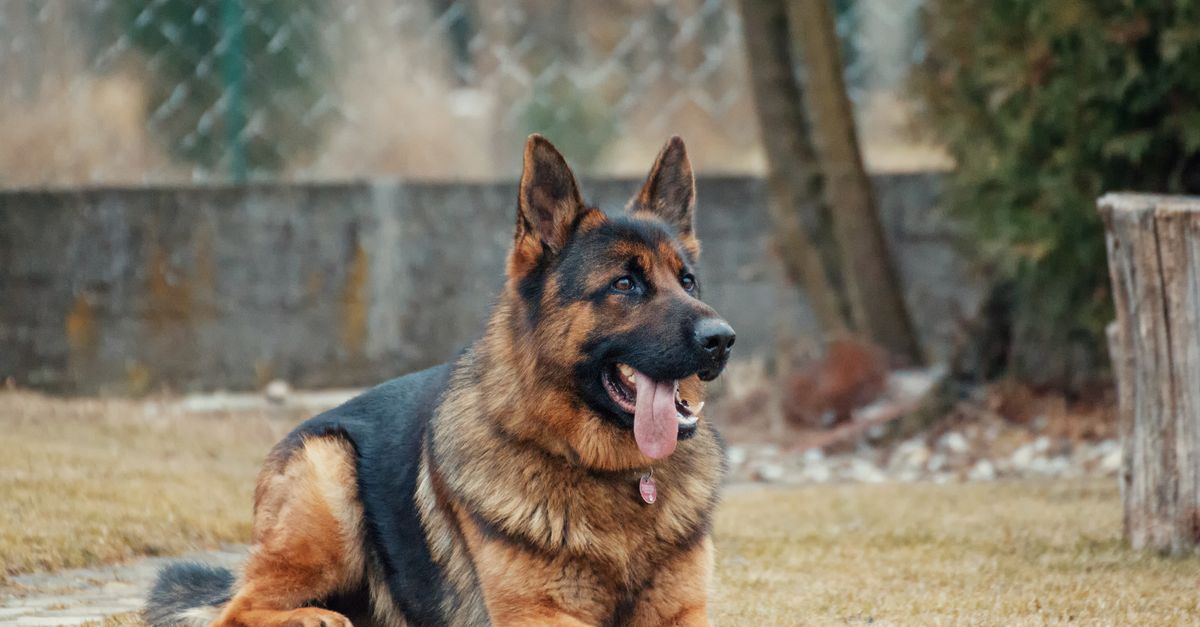
If you're still deciding which breed fits your lifestyle, it's worth reading our guide on choosing a dog breed first - it helps you honestly assess whether you have the time and experience for a breed of this caliber. For a comparison with another popular guardian breed's temperament, see our German Shepherd temperament guide - both breeds share loyalty and a need for leadership, though they differ in energy and working style.
Socialization - the most important investment in a dog's character
The socialization window for a puppy runs roughly through 16 weeks of age, and that's when most of a dog's adult reactions to the world take shape. For a Cane Corso, this stage matters even more - delayed or neglected socialization in a breed with a natural protective instinct more often results in excessive wariness toward strangers. Regular walks in different places, on-leash contact with other dogs, and calmly getting used to guests at home are the foundation, not an optional extra.
If you're looking for inspiration on varied routes that also build a puppy's confidence, our guide to large dog breeds is a good reference point when planning a week of walks.
Daily life with a Cane Corso
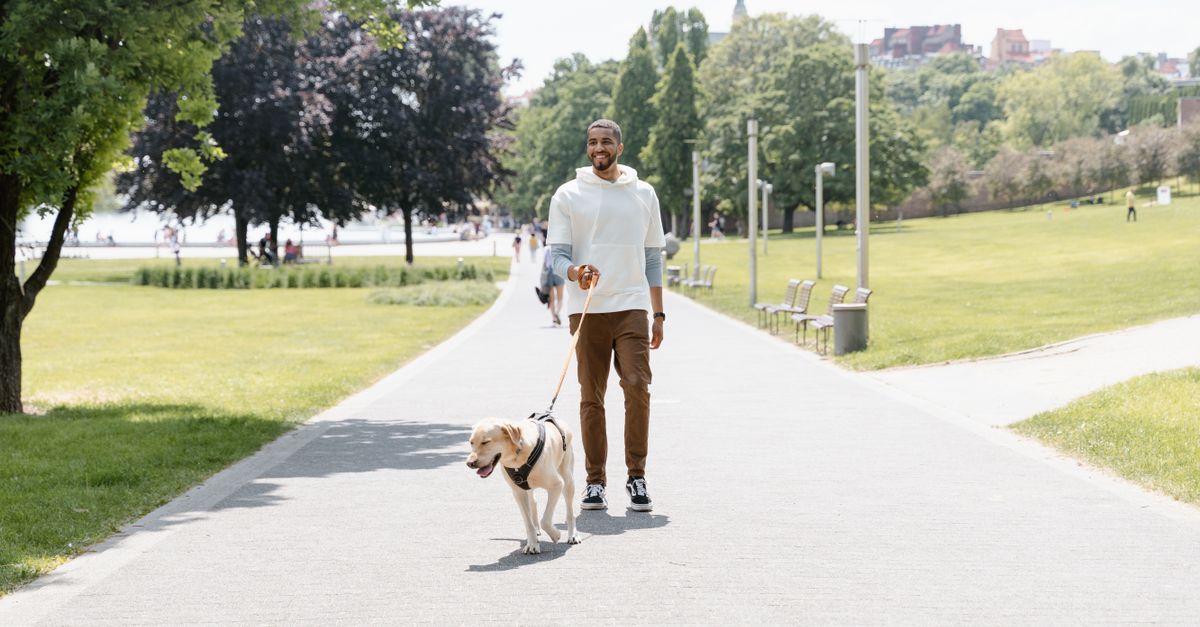
This is a moderate but steady-energy dog - it doesn't need to run for hours like a herding breed, but regular exercise and mentally engaging activities are essential to avoid boredom and the problems that come with it. Daily walks along varied routes, obedience training, and scent games all work well.
This is where the DOGOUT map comes in handy - find spots nearby that welcome large dogs, see who else is walking in your area, and set up a meetup with another owner instead of circling the same block. For a dog with a protective instinct, regular contact with other dogs and people in controlled conditions isn't a nice-to-have - it's part of the daily work on character.
The Cane Corso is a dog for someone looking for a partner, not an accessory to an apartment - loyal, alert, and demanding respect for its strength. With proper socialization and consistent leadership, it can become one of the most devoted companions you'll ever have.
Frequently asked questions
- Are Cane Corsos aggressive?
- Not by nature - they're guardian dogs, so they carry a strong protective and territorial instinct rather than random aggression. Behaviour depends heavily on socialization, training, and consistency from the owner. A poorly socialized or neglected Cane Corso can be hard to manage given its size and strength, which is why this breed suits experienced owners rather than first-time dog owners.
- Is a Cane Corso good with families and kids?
- Yes, with proper socialization from puppyhood a Cane Corso can be patient and protective toward household members, including children. Because of its size and strength, interactions with young kids should always be supervised, as with any large breed. Teaching calm behaviour around guests and everyday household situations is key.
- How much exercise does a Cane Corso need?
- At least an hour of activity a day, ideally split across two or three walks plus mentally engaging work like obedience training or scent games. It's a steady, moderate-energy dog rather than a nonstop runner - but it gets bored and destructive without regular movement.
- Is a Cane Corso easy to train?
- It's highly intelligent and learns fast, but can be stubborn and will test boundaries if training is inconsistent. It responds best to clear rules, positive reinforcement, and a calm, confident handler. Training should start from day one at home, not get postponed.
- How do you socialize a Cane Corso puppy?
- The earlier the better - between 8 and 16 weeks, a puppy should meet different people, dogs, sounds, and places in safe, controlled conditions. Regular neighbourhood walks, on-leash meetings with other dogs, and visits to new places build confidence and reduce excessive wariness toward strangers in adulthood.
- Does a Cane Corso handle being alone well?
- Not particularly - it's a breed strongly bonded to its owner and doesn't do well with long stretches alone. Too much time without company or exercise can lead to separation anxiety, destructive chewing, or excessive alertness. Cane Corsos do best with owners who can genuinely give them part of their day.