German Shepherd Temperament - Personality, Traits, and What the Breed Actually Needs
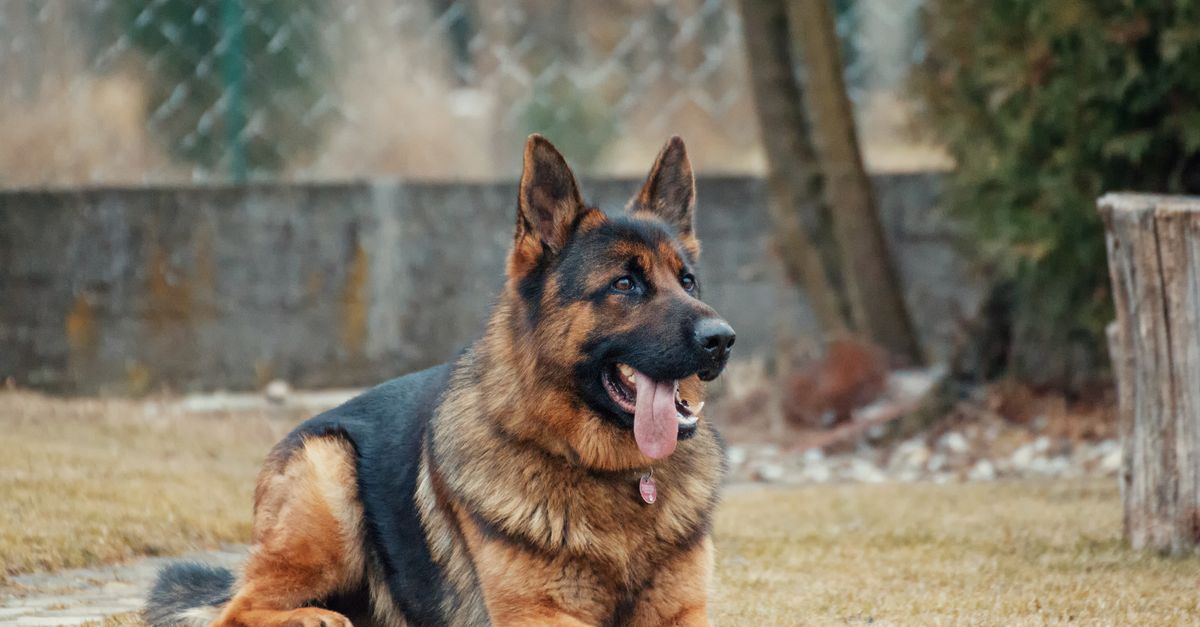
German Shepherds are confident, loyal, and exceptionally intelligent - ranked third among all dog breeds in Stanley Coren's intelligence scale. They form deep bonds with their families and have a strong protective instinct, which can make them reserved with strangers. They are not naturally aggressive. German Shepherds need at least 1.5-2 hours of activity per day and consistent human contact - boredom and loneliness are among their biggest enemies.
The German Shepherd is one of the most popular dog breeds in the world - and one of the most demanding companions you can choose. The challenge is not aggression. It is that this dog genuinely needs you: your time, your consistency, your engagement. Before you commit, it is worth knowing exactly what that looks like in practice.
A breed built for work
The German Shepherd was developed in Germany in the late 19th century. In 1899, Max von Stephanitz - a cavalry officer and passionate dog enthusiast - founded the Verein fur Deutsche Schaferhunde (Society for the German Shepherd Dog). His goal was to create the ideal working dog: intelligent, enduring, obedient, and courageous. The first officially registered dog of the breed was Horand von Grafrath.
Within decades, German Shepherds moved from herding flocks to serving in armies, police forces, and search-and-rescue teams - roles they still hold today. That history of working alongside humans is written into the breed's character. It explains almost everything about what makes German Shepherds tick.
Core personality traits
German Shepherds are complex dogs. In one animal you get an untiring worker, a devoted companion, and a vigilant guardian.
| Trait | How it shows up |
|---|---|
| Intelligence | Fast learning, problem-solving, strong memory |
| Loyalty | Deep family bond - often called a 'Velcro dog' |
| Protective instinct | Alertness around strangers, territorial awareness |
| Confidence | Composure in new situations, courage without aggression |
| Energy | High need for physical activity and mental stimulation |
| Sensitivity | Picks up on owner's moods; dislikes inconsistency and chaos |
This is not a dog that simply exists in the background. A German Shepherd observes, analyzes, and reacts. Without a calm, consistent owner providing structure, the dog will start creating its own rules - which rarely works out well for either party.
German Shepherds with families and children
German Shepherds can be excellent family dogs, but early socialization is non-negotiable. Dogs raised well around children often take on a natural guardian role - patient, gentle, and deeply loyal to their pack.
A few things that matter:
- Supervise interactions with small children - not because the dog is dangerous, but because children are unpredictable, and a German Shepherd's herding instinct can activate during chaotic play (running, shrieking).
- Teach children to respect the dog's space, especially when it is eating or resting.
- Introduce new people gradually - a German Shepherd's wariness of strangers is a breed trait, not a problem, as long as it does not tip into reactivity.
A well-socialized German Shepherd meets new people calmly and confidently. It may take a moment to warm up, but it should never be defensive or anxious without cause.
What a German Shepherd actually needs
German Shepherds were bred to work all day alongside humans. Their minds are almost always active. A sedentary lifestyle is a form of suffering for this breed - and one of the leading causes of destructive behaviour indoors.
Daily minimums for an adult German Shepherd:
- 2-3 walks per day, including at least one lasting 45-60 minutes
- 1.5-2 hours of physical activity in total
- Regular mental stimulation: obedience training, nose work, fetch, dog sports such as agility, rally obedience, or tracking
The length of a walk alone is not the whole story. A German Shepherd that plodded around the block for two hours without any mental engagement will come home full of energy. Mix in training elements, vary the routes, add sniffing opportunities - and you will notice the difference immediately.
Puppies need a different approach. Growing bones and joints cannot handle intense exercise, and over-exercising a puppy can cause lasting damage. The widely used guideline is 5 minutes of structured exercise per month of age, twice a day - treat this as a starting point and observe your individual pup, not a rigid rule.
Loneliness is a German Shepherd's enemy
This breed was designed to work at a human's side. The owner is, quite literally, the centre of a German Shepherd's world. Long hours alone at home - no contact, no tasks, no activity - lead to separation anxiety, excessive barking, and destruction. If your lifestyle keeps you away from home for most of the day, a German Shepherd may not be the right match.
Aggression - facts over myths
German Shepherds are not naturally aggressive. The American Temperament Test Society records the breed with a high stability pass rate - higher than many other widely kept breeds. Aggression, nervousness, and cowardice are listed as serious faults in the breed standard.
Behavioural problems - reactivity, excessive territorial behaviour, fearfulness around strangers - typically trace back to a lack of socialization, inconsistent handling, or a traumatic history. If you notice concerning behaviours in your German Shepherd, consult a certified animal behaviourist. The earlier you address it, the better the outcome.
A dog aggression problem that is caught early and handled with professional guidance is almost always manageable. A problem left to escalate for months rarely is.
This breed is not for everyone - and that is fine
German Shepherds thrive with experienced or highly committed owners. If you do not have time for long daily walks, consistent training, and genuine daily interaction with your dog, this may not be the right breed for you. Matched with the right person, a German Shepherd is one of the most rewarding companions imaginable. In the wrong environment, the experience frustrates everyone - including the dog.
Ready to put those long walks into practice? Open the DOGOUT map to find off-lead parks, dog-friendly trails, and spots flagged by other owners near you. You can also see who is out walking nearby and arrange a joint walk - ideal for a breed that thrives on real-world adventures rather than laps around the same block.
Frequently asked questions
- Are German Shepherds aggressive?
- No - German Shepherds are not naturally aggressive. They have a strong protective instinct and can be reserved with strangers, but a properly socialized and consistently handled German Shepherd is a calm, steady dog. According to the American Temperament Test Society, the breed has a high stability pass rate. Aggression, nervousness, and cowardice are considered serious breed faults.
- Are German Shepherds good with children?
- Yes, when properly raised and socialized. German Shepherds often instinctively take on a guardian role toward younger family members. It is important to supervise interactions with small children and teach children how to respect the dog's space - this applies to every large breed.
- Can a German Shepherd live in an apartment?
- Yes, if you provide at least 2 hours of daily activity including long walks and mental challenges. The size of the apartment matters far less than the time spent outside. A bored, under-exercised German Shepherd in a small flat will find its own ways to stay busy - and you will not enjoy those ways.
- How intelligent are German Shepherds?
- Very. Stanley Coren's ranking places the German Shepherd third among all breeds, behind only the Border Collie and the Poodle. They typically learn a new command in fewer than five repetitions. This makes them outstanding working dogs - and outstanding dogs to train.
- How much exercise does a German Shepherd need?
- An adult German Shepherd needs at least 1.5-2 hours of physical activity per day, spread across 2-3 walks. Physical exercise alone is not enough - mental stimulation through training, nose work, fetch, or dog sports is equally important. Puppies need shorter, gentler sessions - the common guideline is 5 minutes of structured exercise per month of age, twice a day.
- Do German Shepherds get along with other dogs?
- It depends heavily on early socialization. A well-socialized German Shepherd handles other dogs without issues. A dog that missed out on canine contact during puppyhood may be wary or reactive - this is a nurture issue, not a breed flaw. Gradual, positive introductions and early socialization make a significant difference.