Cushing's Disease in Dogs - Symptoms, Diagnosis and Outlook
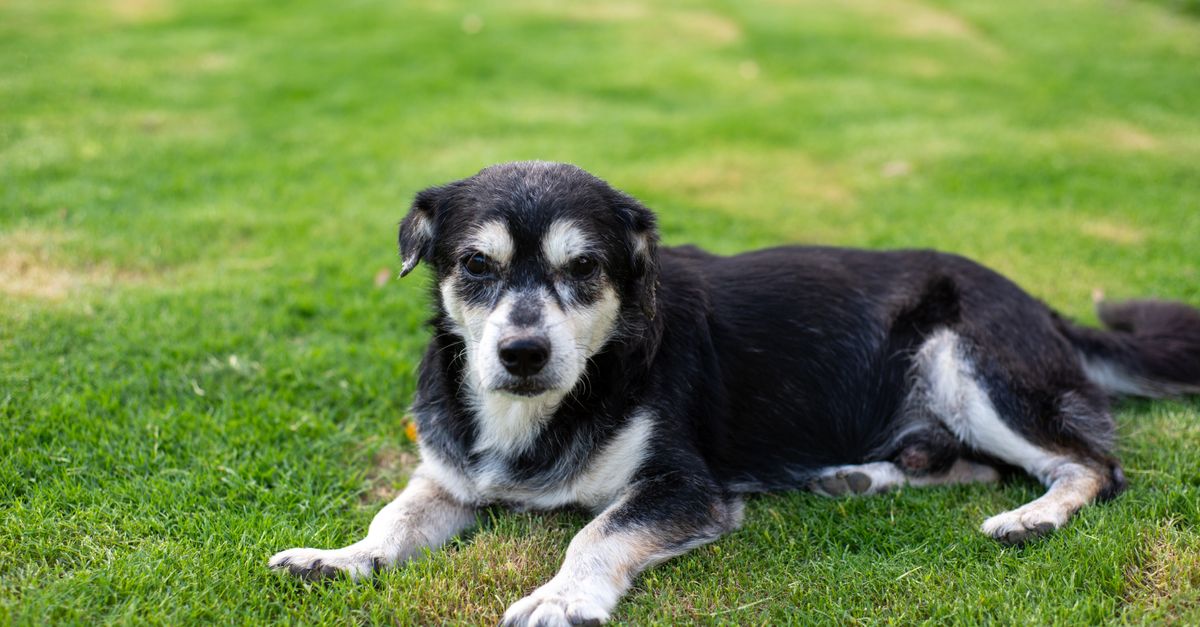
Cushing's disease in dogs (hyperadrenocorticism) happens when the body produces too much cortisol, usually because of a small growth on the pituitary gland or a tumor on an adrenal gland. Typical signs are increased thirst and urination, a bigger appetite, a pot-bellied look, thinning fur and fragile skin. It can't be fully cured, but with the right medication and regular vet checkups most dogs go on to live comfortably for years. Diagnosis and treatment always require a veterinarian - symptoms alone are never enough to confirm it.
Cushing's disease is one of the most common hormonal conditions in older dogs - and one of the easiest to miss early on, because the first signs look a lot like ordinary aging. More drinking, more peeing, a bigger appetite, a saggy little belly. Here's what actually causes it, what diagnosis and treatment look like, and what to realistically expect once your dog is diagnosed.
What is Cushing's disease in dogs?
Cushing's disease (hyperadrenocorticism) happens when a dog's body produces too much cortisol - the stress hormone made by the adrenal glands - over a long period. Normal amounts of cortisol are essential (it regulates metabolism, the stress response, and inflammation), but too much of it disrupts nearly every system in the body.
There are three main causes:
- Pituitary-dependent (about 80-85% of cases) - a small, usually benign growth on the pituitary gland triggers the adrenal glands to overproduce cortisol.
- Adrenal tumor (about 15-20% of cases) - one or both adrenal glands produce excess cortisol on their own, independent of the pituitary gland. The tumor can be benign or malignant.
- Iatrogenic form - caused by long-term, high-dose steroid use (for example, to manage allergies or chronic inflammation). This is the one form that often improves once the medication is tapered down gradually, under veterinary supervision.
The disease mostly affects older dogs, usually past 6-7 years of age, though it can occur younger too. It's reported more often in poodles, dachshunds, Boston terriers, boxers, and other small to medium breeds, but any breed or size of dog can develop it.
Cushing's disease in dogs - symptoms to watch for
Symptoms usually build up slowly, over many months, which is exactly why they're easy to dismiss. The most common signs include:
| Symptom | What it looks like |
|---|---|
| Increased thirst | Drinking noticeably more, going back to the water bowl often |
| More frequent urination | More walks needed, accidents indoors, needing to go at night |
| Bigger appetite | Begging for food more, seeming "always hungry" |
| Pot-bellied look | Weakened belly muscles, an enlarged liver |
| Thinning fur | Symmetrical hair loss, mostly on the trunk, usually without itching |
| Thin, fragile skin | Easily bruised or injured skin, slower healing, occasional discoloration |
| Muscle weakness | Trouble with stairs, lower stamina on walks |
| Recurring infections | More frequent skin, ear, or urinary tract infections |
| Excessive panting | Panting even at rest or in cooler weather |
No single symptom on this list confirms Cushing's disease on its own - it's usually a combination of several, lasting weeks, that should prompt a vet visit. If your dog's appetite is dropping instead (which is less typical here, but can point to a different issue), it's also worth reading about what it can mean when a dog won't eat.
How is it diagnosed?
Symptoms alone can't confirm the diagnosis - too many other conditions look similar. Vets usually start with full bloodwork and a urine test to check overall health and rule out other causes, like diabetes or kidney disease. If the results and symptoms point toward Cushing's disease, one or more hormonal tests follow:
- ACTH stimulation test - checks how the adrenal glands respond to a stimulating hormone.
- Low-dose dexamethasone suppression test - the most common screening test, which also helps distinguish the pituitary form from the adrenal form.
- Abdominal ultrasound - lets the vet assess the size and appearance of the adrenal glands and check for a tumor.
Sometimes more than one test is needed to pin down the exact cause - that's normal and doesn't mean anything went wrong with the workup.
Treatment and outlook
Treatment depends on the underlying cause:
- Pituitary-dependent form - managed with medication that reduces cortisol production by the adrenal glands. This is lifelong treatment, with regular bloodwork (usually every few months) to fine-tune the dose. Medication choice and dosing are entirely up to your vet based on test results - never adjust the dose yourself.
- Adrenal tumor - if it's a single, operable tumor, surgical removal can offer a lasting cure. When surgery isn't an option, medication similar to the pituitary-form treatment is used instead.
- Iatrogenic form - managed by gradually, carefully tapering steroids under veterinary guidance, never stopping them abruptly.
As for how long a dog lives with Cushing's disease - with well-managed treatment and consistent checkups, many dogs with the pituitary form go on to live comfortably for a few more years, though it always depends on the dog's age, other health conditions, and how well they respond to treatment. The outlook tends to be more cautious with a malignant adrenal tumor. A concrete prognosis, tailored to your dog, can only come from the vet managing the case.
Left untreated, Cushing's disease raises the risk of complications: diabetes, high blood pressure, blood clots, recurring urinary tract infections, and an overall decline in quality of life. That's why it's worth flagging even the symptoms that seem "just cosmetic" - thinning fur, a bigger belly - sooner rather than later.
Food and daily care for a dog with Cushing's disease
There's no one universal "Cushing's food." Vets typically recommend a moderate-fat diet with good-quality protein and controlled calories, especially if the dog is overweight or has developed diabetes alongside it. If your dog is also carrying extra weight, it's worth reading about dog obesity too - it's a common companion issue with hormonal disorders.
For day-to-day care, it helps to:
- track how much your dog drinks and how often they need to go out - it's a useful way to gauge whether treatment is working,
- pay extra attention to skin, which tends to be thinner and more prone to injury and infection in affected dogs (if you're noticing itching or irritation, see our guide on itchy skin in dogs),
- keep up with regular checkups - it's the only way to keep the medication dose properly calibrated,
- offer moderate, dog-appropriate exercise - shorter, more frequent walks often work better than none at all.
Any change to diet, medication dose, or activity level should be discussed with the vet managing your dog's treatment first. If you're ever unsure about your dog's condition, call or book a visit rather than waiting to see if things improve on their own.
A dog with Cushing's disease can still enjoy walks, new smells, and the company of other dogs - just at a pace that matches their condition. Once your vet gives the green light for regular activity, check the DOGOUT map for calm, nearby routes in your area and meet other owners who walk at a similar pace - sometimes another dog's company is more motivating than the leash ever was.
Frequently asked questions
- What are the first signs of Cushing's disease in dogs?
- The earliest signs are usually increased thirst and more frequent urination (sometimes at night), a bigger appetite, and lower energy or fitness. These are easy to write off as normal aging, so it's worth mentioning to your vet if they last more than a few days.
- How long do dogs live with Cushing's disease?
- It depends on the cause, the dog's age, and any other conditions. With the pituitary form and consistent treatment, many dogs live comfortably for another 2-4 years, some longer. The outlook is more cautious with an adrenal tumor, especially a malignant one. Only your dog's vet can give you a realistic prognosis based on actual test results.
- Is Cushing's disease in dogs curable?
- The pituitary form usually can't be cured outright - treatment means managing cortisol levels with lifelong medication and regular bloodwork. If a single, operable adrenal tumor is the cause, surgical removal can sometimes offer a lasting fix.
- What's the best food for a dog with Cushing's disease?
- There's no single 'Cushing's diet.' Vets typically recommend a moderate-fat, good-quality-protein diet tailored to the dog's weight and any other conditions, like diabetes. Always run diet changes past your vet, especially while your dog is on medication.
- Is Cushing's disease painful for dogs?
- The disease itself usually isn't painful, but it lowers quality of life - dogs become more prone to infections, muscle weakness, thin and fragile skin, and trouble regulating body temperature. Left untreated, it also raises the risk of complications like diabetes or blood clots.
- Which dog breeds are more prone to Cushing's disease?
- It's mostly seen in older dogs, typically over 6-7 years old, and is reported more often in poodles, dachshunds, Boston terriers, boxers, and other small to medium breeds. That doesn't mean other dogs are immune - diagnosis always requires testing, never just breed or looks.