Dog Aggression - Where It Comes From and What Actually Helps
Dog aggression rarely stems from 'dominance' or a desire to be in charge - the most common causes are fear, pain, and resource guarding. The first step is a vet appointment to rule out medical causes. The next step is a certified behaviourist who can design a safe working plan. Trying to 'fix' aggression alone using dominance or punishment-based methods can make the situation worse and is genuinely risky.
A dog that growls, snaps, or bites often leaves its owner feeling helpless, embarrassed, or guilty. But before you start looking for solutions - or listening to someone who says you need to "show who's boss" - it's worth understanding where aggression actually comes from.
Aggression is communication, not character
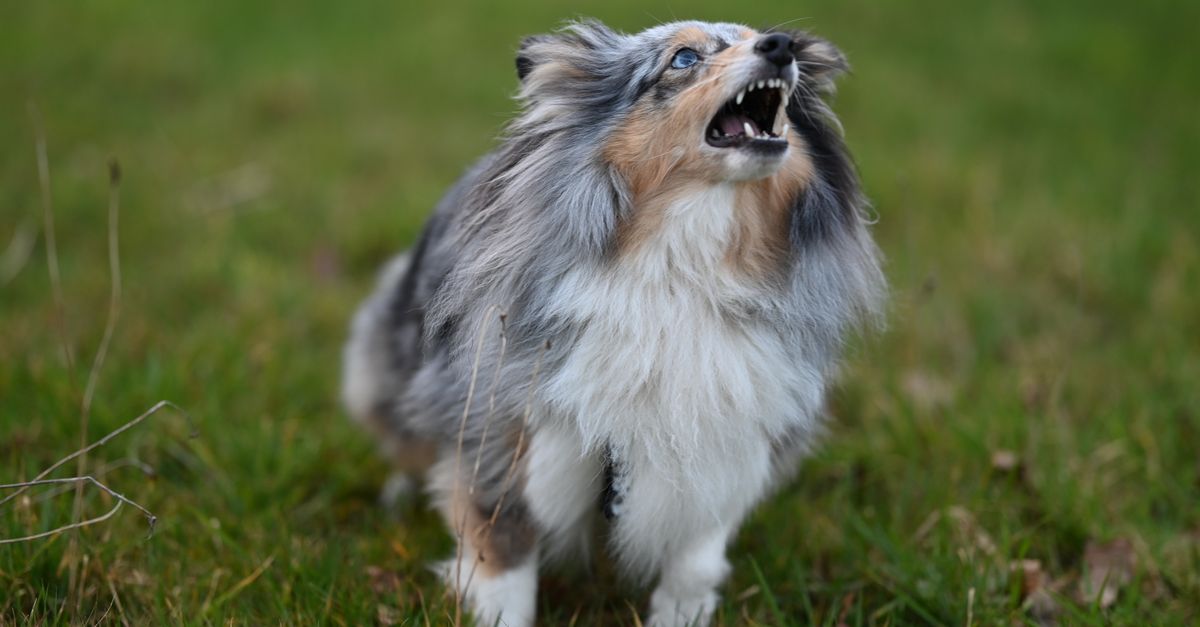
Your dog isn't growling to spite you. It's saying: "I'm uncomfortable," "this hurts," "I'm scared," or "don't go near my bowl." It's a signal, not a personality defect. That distinction matters, because it determines how you respond.
Suppressing warning signals - growling, snapping - through punishment is dangerous. A dog that learns its warnings cost it something stops warning and goes straight to biting. Growling deserves to be taken seriously, not punished away.
Where aggression actually comes from
Modern behavioural science and major veterinary organisations (AVSAB, ACVB, APDT) are clear: aggression in dogs most commonly comes from fear, pain, or resource guarding - not dominance.
| Source of aggression | Description |
|---|---|
| Fear | The dog attacks because it believes it must defend itself. Classic fear aggression: flight isn't possible, so it fights. |
| Pain or illness | Joint pain, dental pain, neurological or hormonal conditions - can appear suddenly and without obvious cause. |
| Resource guarding | Food, toys, a resting spot, or sometimes the owner. The dog is defending something it considers its own. |
| Frustration | Prolonged frustration (e.g. being restrained on a lead without the chance to reach something) can escalate into aggression. |
The "dominance" myth - that a dog growls at its owner because it's trying to take charge, and you need to show it the hierarchy - has been thoroughly discredited by research and is rejected by all major veterinary and behaviour organisations. Techniques based on this idea (alpha rolls, forcing submission) can provoke aggression rather than suppress it.
First step: the vet
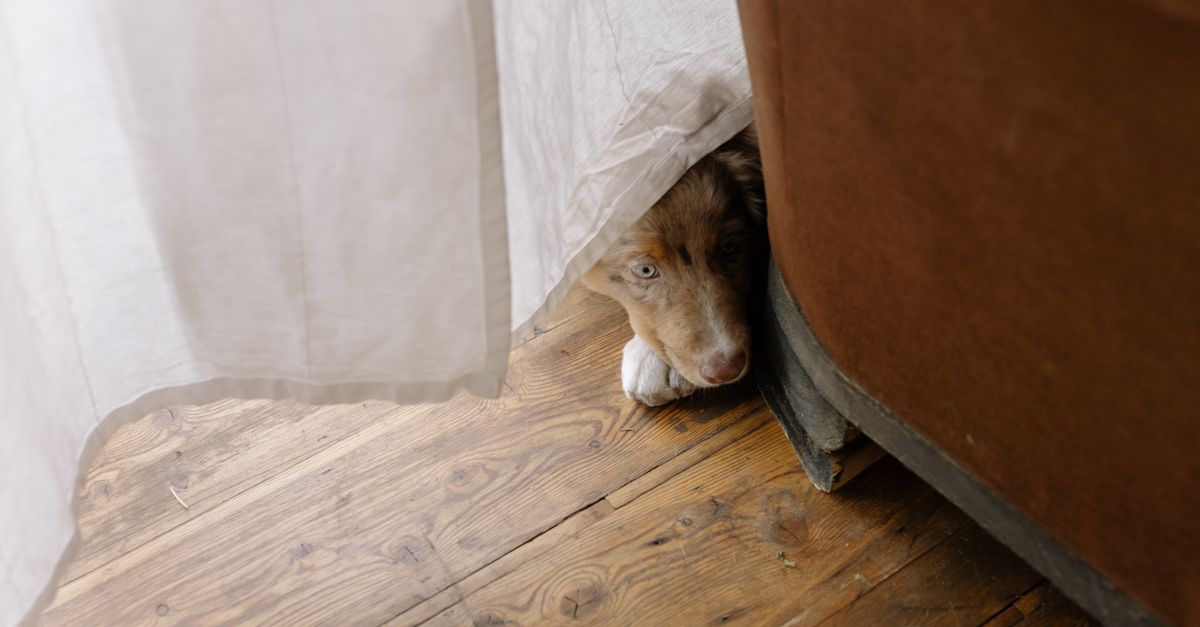
Before you try to address anything behaviourally, book a vet appointment. Pain is one of the most common and most overlooked causes of sudden or escalating aggression. A dog cannot tell you it's in pain - it growls or bites.
A vet visit is especially urgent when:
- Aggression appeared suddenly, without an obvious change in the environment.
- The dog reacts to being touched in a specific spot.
- You notice other changes: lethargy, change in appetite, limping.
Second step: a certified behaviourist
Once medical causes have been ruled out, it's time for professional behavioural support. A certified animal behaviourist (or a veterinary behaviourist) will assess the situation, identify triggers, and build a plan tailored to your specific dog.
Look for practitioners who work with positive reinforcement and the LIMA principle (Least Intrusive, Minimally Aversive). Avoid anyone who promises quick results through "dominance," alpha-rolling, or other forms of physical coercion.
Management and safety - while the work is underway
Behavioural work takes time. During that time, the priority is managing the environment so that dangerous situations don't occur:
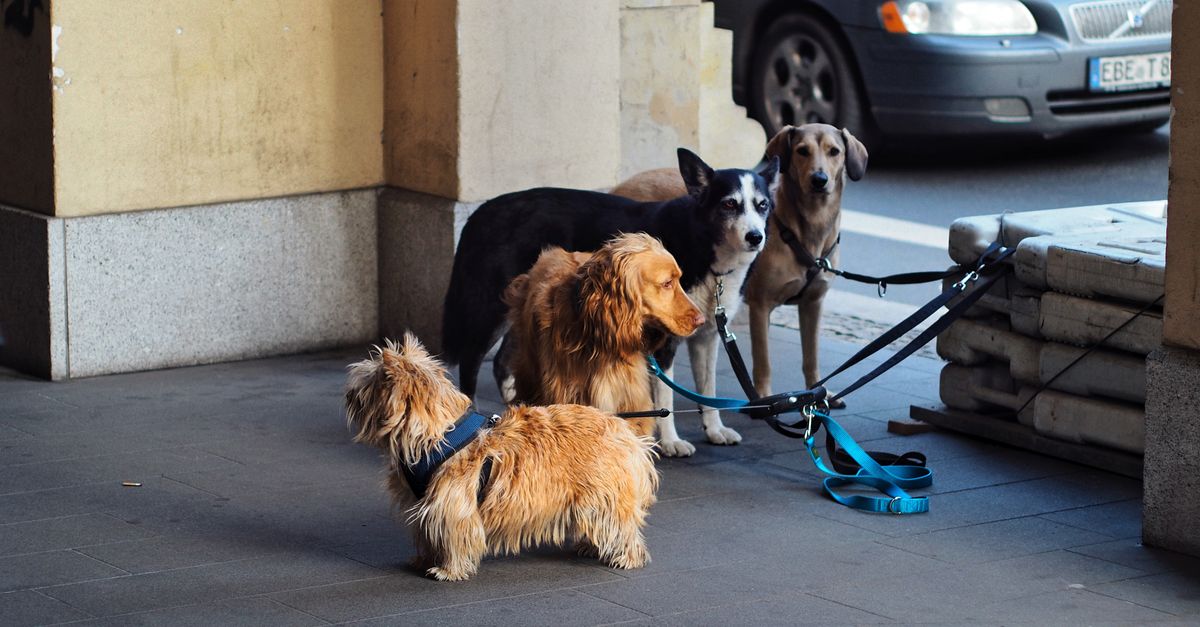
- Lead and harness in situations that trigger a reaction.
- A muzzle (well-fitted and introduced positively) in public if there is a bite risk.
- Space management at home - baby gates, separate rooms, when distance is needed.
- Telling visitors the rules in advance, rather than hoping "he won't do anything."
Management isn't failure - it's responsible ownership for a dog that needs time and safe conditions to make progress.
What not to do
- Don't practise dominance drills, alpha rolls, or any method based on force and fear - they can escalate aggression and are unsafe.
- Don't dismiss growling as "overreacting" - it is a warning signal.
- Don't punish the dog after the event - a correction that comes minutes later is incomprehensible to the dog and adds stress without benefit.
- Don't repeatedly expose the dog to situations you know end in aggression, hoping it will "learn." Without a plan and professional support, that isn't training - it's rehearsing the wrong response over and over.
Have a reactive dog and need calm places to walk where you can avoid unexpected encounters? The map in DOGOUT shows spots tagged by other owners - you'll know what to expect before you get there.
Frequently asked questions
- What causes aggression in dogs?
- Most commonly fear, pain, or resource guarding (food, space, owner). Sometimes frustration built up over time. Aggression as an attempt to 'dominate the owner' is a myth debunked by modern behavioural and veterinary science.
- My dog growls - is that aggression?
- Not necessarily. Growling is communication - your dog is saying 'I'm uncomfortable.' It's a warning that deserves respect, not suppression. Punishing growling can lead to a dog that skips the warning and bites without notice.
- What should I do when a dog growls or snaps?
- Don't punish it. Don't force contact. Increase distance - give the dog space. Manage the situation so it doesn't escalate. Then consult a vet and a behaviourist - growling is a signal that the dog needs help, not punishment.
- Can dog aggression be cured?
- Many dogs with reactivity or fear-based aggression make significant progress with the right behavioural support. Not every dog will reach complete indifference - the goal is a comfortable, safe life for both dog and the people around it. There are no guaranteed cures or quick fixes.
- When should I see a vet urgently?
- When aggression appears suddenly, with no obvious cause or after an injury. Pain (teeth, joints, internal organs), neurological conditions, and hormonal issues can trigger or worsen aggression. A vet should always be the first step before any behavioural work.